
Digital Marketing Roadmap 2026: Skills, Salary & Career Plan
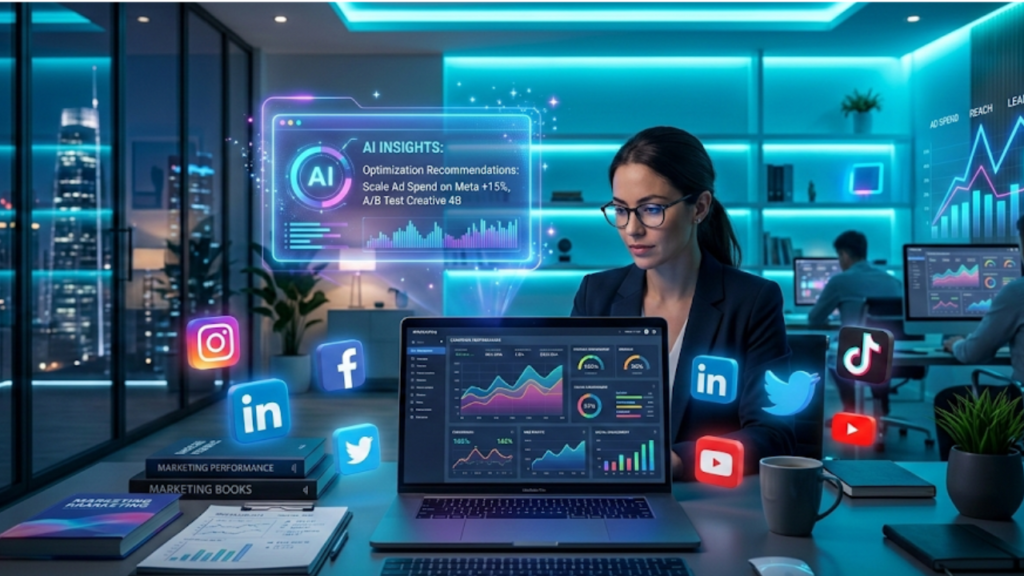
AI is reshaping digital marketing. The average marketer gets replaced. The skilled, AI-powered marketer thrives. Here is how to become extraordinary. “Remember when people said the internet was just a fad in the 90s? The same conversation is happening about marketing and AI today. History proved the skeptics wrong then. It will prove them wrong again.” Every scroll, every search, and every click is a competition. Brands are spending billions to capture one second of your attention. The people who know how to engineer that moment are earning ₹20L+ salaries while working from a laptop anywhere in the world. This guide covers the skills that matter in 2026, real salary data at every stage, the truth about AI, and a step-by-step plan to go from zero to job-ready in 6 months. Why Digital Marketing is Exploding in 2026 This is a right-now opportunity. Three structural forces are creating demand that far outpaces the supply of skilled marketers. The Digital-First Economy Today’s businesses are born digital. Your local cloud kitchen competes with global brands for the same Google search result. Every rupee spent online requires a strategist. Three Forces Driving Demand E-commerce as default behavior. Online buying has become the default reflex for consumers. Every transaction requires targeting, retargeting, and ongoing optimization. Social media as the new primetime TV. Meta ad budgets now rival what brands spent on television a decade ago. Skilled campaign managers are in constant demand. The small business awakening. Tutors, dentists, and café owners are now running Google Ads to find local customers. Every single one needs a marketer. REAL STORY — CAREER SWITCH Meet Rahul. He was stuck in a data-entry job, going nowhere. For 6 months, he studied SEO and Meta Ads after work, 1 hour every evening. His only tools were a laptop and a roadmap. Today, he’s a performance marketer for a lifestyle brand, earning 3× his previous salary and working fully remote. He didn’t have a marketing degree. He had results. The core reality: companies have products, customers, and money. What they lack is the bridge between the two. You are that bridge. Digital Marketing Salaries in 2026 Digital marketing rewards performance over pedigree. Your results are more significant than your degree, and you can demonstrate real results as early as Month 1. LEVEL INDIA / YEAR GLOBAL / YEAR STAGE Fresher (0–1 Year) ₹3L – ₹5L $45,000 – $60,000 Entry Point Mid-Level (2–5 Years) ₹6L – ₹12L $70,000 – $110,000 Growth Zone AI / Performance Specialist ₹16L+ $130,000+ Top Tier Freelancer (any level) ₹15K–₹1L/month $500–$5K/client Freedom Path Income Beyond Your Salary Freelancing: Most mid-level marketers carry 3–4 client accounts on the side, earning ₹10,000–₹50,000 per client per month. That’s ₹40K–₹1.6L in additional monthly income. Performance-based pay: Spend ₹1L on ads, generate ₹5L in revenue, and many companies pay you a percentage of that profit. Your earning ceiling is your skill level, not your job title. Will AI Take Your Marketing Job? No. But marketers who use AI will replace marketers who don’t. This is not a drill. 68% of marketing executives confirm a positive ROI from their AI investment. AI has not caused job losses; it has created a new class of high-earning ‘AI-leveraged’ marketers who do the work of five people in the time it used to take one. ❌ WHAT AI CANNOT DO • Understand why a customer feels hesitant • Read a brand’s cultural ‘vibe.’ • Build genuine human trust • Make strategic bets under uncertainty • Craft stories that emotionally move people ✓ AI AS YOUR WEAPON ✓ Generate 50 ad headlines in 5 seconds ✓ Spot behavior patterns across thousands ✓ Automate personalized email sequences ✓ A/B test creatives at superhuman speed ✓ Produce first drafts in minutes A marketer who uses ChatGPT for brainstorming, Canva AI for design, and Google’s automation for optimization, while applying human judgment and empathy to the strategy, is worth 10 times more than a marketer who does everything manually. Which marketing path is right for you? The best marketers aren’t generalists who know a little of everything; they’re specialists who understand the full picture. Please identify your area of expertise below and explore it in depth. A “I love writing, storytelling, and being creative.” You light up when you craft a narrative that resonates. You care about voice, emotion, and connection. → Your Path: Content Marketing / Copywriting B “I like puzzles, numbers, and seeing quick results.” You want to spend money and watch sales happen in real time. ROAS makes you feel alive. → Your Path: Performance Marketing (Meta & Google Ads) C “I like organising things and figuring out how Google works.” You want to crack the algorithm, build authority, and rank #1 without spending a rupee on ads. → Your Path: SEO Specialist D “I love talking to people and staying on top of trends.” You know what’s going viral before everyone else. You’re the first to spot the next big format. → Your Path: Social Media Management Your Step-by-Step Digital Marketing Roadmap This isn’t a list of courses to binge-watch. It’s a sequence; each phase builds on the last, ending with a portfolio that gets you hired or your first freelance clients. PHASE 01 · MONTH 1–2 Foundations SKILLS TO LEARN → Marketing funnels & customer journey mapping → Consumer psychology & copywriting fundamentals → SEO basics: keywords, on-page, and technical → Set up and explore Google Search Console → Build or optimize a basic landing page TOOLS Google Search Console · Ubersuggest · WordPress / Webflow ✦ Outcome: You can optimize a website and understand why people buy. PHASE 02 · MONTH 3–4 Performance Marketing SKILLS TO LEARN → Campaign structure, objectives & budget allocation → Audience targeting, lookalikes & re-targeting logic → A/B testing: creatives, copy, and landing pages → Run live campaigns on Meta Ads Manager & Google Ads → Master the metrics: CTR, CPC, CPA, ROAS TOOLS Meta Ads Manager, Google Ads, Google Tag Manager ✦ Outcome: You can run
The Rise of the Mineable Self as a Global Commodity
What if I told you that the most valuable resource in today’s digital economy isn’t oil, data centers, artificial intelligence, or rare earth minerals? It’s you. Not your job title. Not your degree. Not even your skills alone. Your identity, your story, your opinions, your emotions, your lifestyle, and your experiences have quietly become powerful economic assets. Welcome to the age of the “mineable self.” What Is the Mineable Self? Historically, mining referred to the extraction of oil, gold or minerals from the earth. Today, digital platforms are extracting something new: Personal stories Attention Data Emotions Online behavior This commodity is infinitely renewable. As long as humans exist, stories will exist. And in the digital economy, stories will have value. In this new market, everyone has a story, and every story can be mined. How Technology Made Humans into Commodities The technology platforms of Instagram, YouTube, Netflix and LinkedIn have completely changed the way value is created in the digital economy. In the past, production and visibility were in the hands of powerful gatekeepers. Large corporations dominated content creation, film studios dictated storytelling, and media conglomerates decided who got public attention. Access to audiences was limited and power rested in the hands of a few gatekeepers. Today, this has completely changed. Now, anyone with a smartphone and internet access can create content, build a personal brand and reach a global audience. This has given people unprecedented freedom and opportunities. People are no longer just consumers of content; they are producers, influencers and entrepreneurs in their own right. But this has also brought about a new reality. As technology platforms monetize engagement and attention, human identity itself becomes a commodity in the marketplace. Personal experiences become shareable stories, opinions drive engagement and even struggles get views and clicks. In this reality, life becomes content, identity becomes a brand, and human beings become marketable commodities in the attention economy of the digital world. The Attention Economy In the current digital age, attention equals money. Today, websites do not only compete for your purchasing power but also for your time. The more time you spend on a website, the more data you produce, and the more valuable you become to the system. The attention economy values engagement more than money. You are the one who creates your identity, and your identity is what drives the algorithms, and the algorithms drive the digital markets, and these digital markets drive profits. In the attention economy, you are both the consumer and the product. The Impact of AI Artificial intelligence has greatly fueled the process of converting human identity into a quantifiable economic value. AI algorithms are constantly analyzing what you are interested in, what you watch, what you buy, and how you interact with the internet. Every click, search, scroll, and pause is data that is fed into these algorithms. These algorithms use predictive analytics to analyze your interests, forecast your behavior, and tailor the content you see. In this manner, AI systems enhance the mechanisms of the attention economy by converting human behavior into valuable insights. However, AI also has a profound impact on content creation. Generative AI applications assist individuals in writing posts, editing videos, creating visuals, and automating communication. Storytelling has become quicker, more efficient, and more optimized for engagement. This has made it easier for people to create content while also making it more competitive. In this manner, we are now living in a digital world where identity is constantly being measured, optimized, and refined for performance. Human expression is no longer personal but data-driven. In the world of AI, identity is not only defined by who we are but also by how algorithms interpret and monetize our behavior. Is This Empowering or Exploitative? There are definite advantages: Democratization of media New job opportunities Rise of creators and influencers Personal branding as economic power However, there are also potential downsides: Loss of privacy Need to perform constantly Emotional exhaustion Use of personal life as a public product The distinction between living and branding is becoming increasingly blurred every day. The Big Question If the self has become the newest global commodity, more renewable than oil and more scalable than gold, then the big question is not whether this trend will continue. It will. The digital economy is already organized around identity, attention, and data as its new drivers. The big question is whether we will control our digital selves or whether our digital selves will be controlled by algorithms and markets. In a world of streaming media, social media, and artificial intelligence, the most valuable resource may not be technology but the human story that drives it. Conclusion We are on the threshold of a world in which identity is a resource, story is currency, and attention is profit. The digital economy has transformed the way value is created, with human experience, personal data, and online behavior at the heart of economic transactions. What we share, how we interact, and what we tell is now worth something in the market. The mineable self is the new commodity that is emerging. As technology advances, we are all part of a system in which identity is not only articulated but also monetized. The question that lies ahead is not how we can avoid this, but how we can navigate this reality. Frequently Asked Questions 1️⃣ What is the mineable self? The “mineable self” refers to the process by which digital platforms extract economic value from human identity, attention, personal data, emotions, and online behavior. In the digital economy, individuals themselves become a resource that can be analyzed, monetized, and optimized for profit. 2️⃣ How are humans becoming digital commodities? Humans become digital commodities when their personal stories, opinions, behaviors, and attention are turned into monetizable assets. Social media platforms and AI systems use this data to drive advertising, engagement, and digital markets, making individuals both consumers and products. 3️⃣ What is the attention economy? The attention economy is a
From Clicks to Careers: How Real Digital Marketing Projects Build Employability
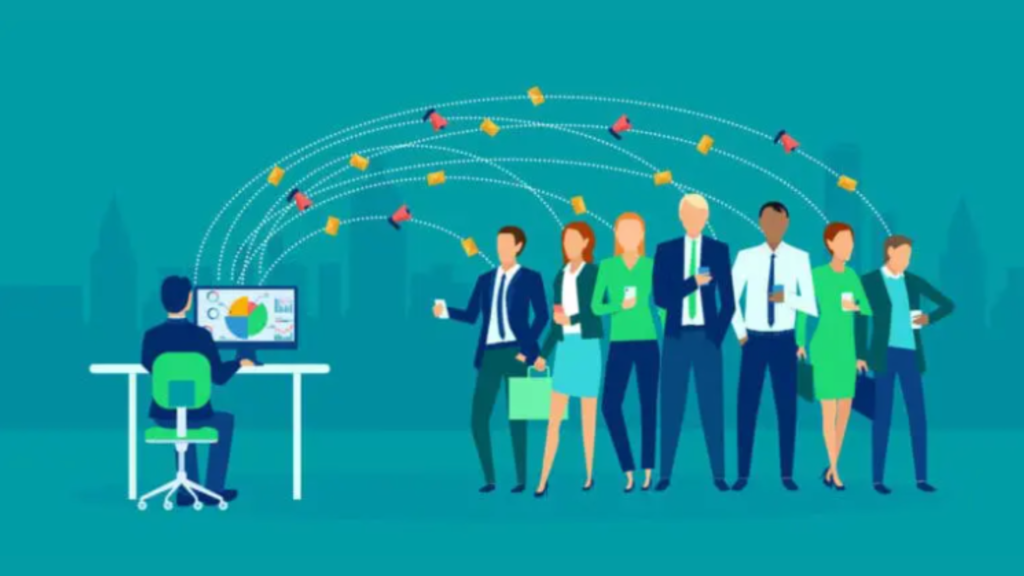
Every digital marketer remembers their first campaign, the one that finally worked. You tweak an ad, test a new audience, adjust the creative, and suddenly, the clicks start turning into conversions. That’s the moment when theory turns into confidence. And in today’s competitive digital world, that shift from knowing to doing is what employers truly value. Digital marketing is no longer just a skillset; it’s a performance field. Companies, startups, and clients are looking for professionals who’ve run real campaigns, not just learned about them. Why Employers Don’t Hire “Course-Only” Candidates A certificate is great but it’s no longer enough. Recruiters today aren’t impressed by a list of tools or jargon. They want to see impact. When you apply for a digital marketing job, one of the first questions you’ll hear is: “Can you show me the campaigns you’ve worked on?” That’s where many learners stumble. They’ve attended webinars, completed modules, and read endless blogs but they’ve never touched a real campaign or managed a client brief. Employers aren’t hiring for potential; they’re hiring for proof. They’re looking for candidates who can: Plan and execute a real marketing strategy. Interpret analytics and improve ROI. Manage budgets and deadlines under pressure. Communicate results clearly to clients or managers. Without real-world experience, even the most advanced course remains just theory. How Live Projects Build Real Confidence Running live campaigns changes everything. When you manage ad spend, monitor analytics, and make real-time decisions, you develop not just technical skills but also judgment, adaptability, and confidence. It teaches you to: Take ownership of performance, not just participation. See marketing as a system from research to reporting. Respond quickly to what the data says, not what a textbook predicts. The first time you launch a paid ad, track conversions, or optimize engagement, you begin to understand how digital marketing actually works in motion. That experience becomes your professional foundation, something no theory can replicate. When Classroom Campaigns Become Career Stories Across the industry, we’re seeing more institutes, mentors, and even employers encouraging live project-based learning. For example, students running a real ad campaign for a small business or non-profit often end up with data they can present as a portfolio. Imagine a group of learners helping a local bakery grow weekend sales. They identify the audience, set a modest ad budget, and run a social campaign around “Fresh mornings, local flavours.” Over two weeks, they gather performance data reach, clicks, conversions and report a 20% jump in orders. That’s not just an academic exercise. It’s a business result. And more importantly, it’s proof of employability. When those students apply for internships or jobs, they have more than a certificate they have a success story. Why Practical Learning Defines the New Digital Marketer The digital marketing world moves fast. Campaigns change weekly, platforms update algorithms overnight, and AI is redefining how brands connect with audiences. In this environment, marketers who’ve practiced not memorized are the ones who thrive. Real-world experience builds: Critical thinking: How to adapt when campaigns don’t perform. Strategic creativity: How to craft messages that convert. Analytical intelligence: How to use data to improve results. You learn to see patterns, recognize opportunities, and solve problems not because a lecture told you, but because you’ve done it. That mindset is what employers reward. From Theory to Employability: The Shift That Matters A new generation of digital learners is rising ones who don’t just talk about engagement, but actually create it. They build portfolios with screenshots of dashboards, ad sets, and analytics reports. They can point to a metric and say, “I did that.” That’s the real currency of employability. Because when your skills are proven through action, you don’t just qualify for jobs you create them. Freelance projects, client consulting, brand collaborations everything begins with one real campaign that performs. Digital marketing is learned best by doing. If you’re serious about building a career, not just completing a course, look for opportunities to run live campaigns, manage analytics, and solve real business challenges. Because in this industry, employability isn’t about certificates; it’s about competence. And competence comes from experience one click, one campaign, one result at a time.
Why Every Business Needs a T-Shaped Digital Marketer in 2026
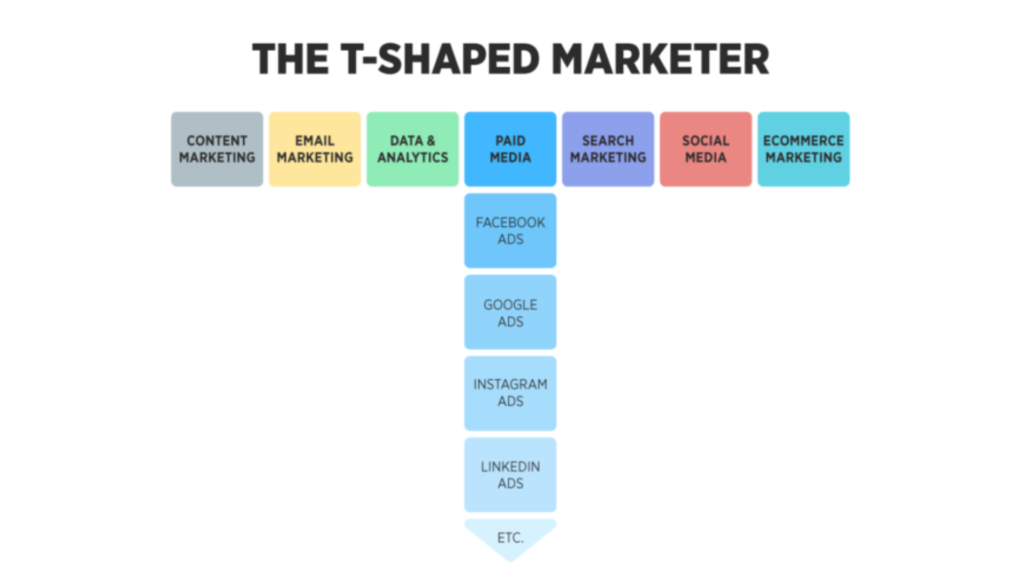
In a world where marketing evolves faster than platforms can update their algorithms, businesses no longer need “just” social media managers or SEO specialists. They need thinkers T-shaped digital marketers who understand the full spectrum of digital strategy yet master one skill deeply enough to drive measurable growth. The year 2026 marks a new era of marketing agility and the professionals leading it aren’t defined by tools, but by adaptability. What is a T-Shaped Marketer? A T-shaped digital marketer is someone who has broad knowledge across multiple marketing disciplines like SEO, paid ads, social media, email marketing, analytics, and content but deep expertise in one specific area. The vertical stroke of the “T” represents your core specialization (say, Performance Marketing or Content Strategy), while the horizontal stroke represents your understanding of how every other channel connects. It’s the difference between saying, “I run Google Ads,” versus, “I know how Google Ads, SEO, and social content together can lift overall brand performance.” A T-shaped marketer doesn’t just execute campaigns, they build ecosystems. The Death of One-Dimensional Specialization A few years ago, being a “Facebook Ads Expert” or “SEO Specialist” was enough to get hired. But in 2026, the landscape is brutally fast and integrated. Social algorithms shift every quarter. AI automation redefines what “technical expertise” even means. Brands demand marketers who can strategize across channels, not just within one. Startups, especially, can’t afford siloed roles. A marketer who understands email workflows, content funnels, and ad copy performance can save teams time, data, and resources while also scaling faster. That’s why the new rule is simple: Depth is valuable, but only when supported by breadth. . How to Build Your “T” You don’t wake up T-shaped, you build your “T” deliberately through projects, experimentation, and learning across channels. Here’s what that looks like in action: SEO + Paid Ads + Analytics: An SEO specialist learns how paid ads amplify organic reach and tracks keyword conversions through analytics. Content + Social Media + Email: A content creator understands how long-form blogs feed social storytelling and email drip sequences. Strategy + AI + Data: A strategist uses AI tools for keyword prediction, campaign optimization, and personalized audience targeting. The secret? Don’t chase every skill. Focus on learning how different channels support each other and how data flows across them. That’s what separates an executor from a strategist. How T-Shaped Marketers Help Businesses Win For startups, agencies, and brands, hiring T-shaped digital marketers means one thing: agility. Startups get professionals who can wear multiple hats and grow with the business. Agencies gain team members who understand how to integrate client campaigns across touchpoints. Brands benefit from marketers who can connect creative storytelling with performance outcomes. In short, they’re not just marketers, they’re growth architects. They see both the creative and analytical sides of marketing. They connect engagement to revenue. They translate metrics into business outcomes. And that’s the future of marketing leadership. UpskillNexus’s Model for Building Multi-Channel Professionals At UpskillNexus, the future marketer isn’t trained to be a “tool operator” but a strategic digital thinker. Every course, from foundation to specialization, blends core marketing fundamentals with exposure to emerging tools and channels including AI, automation, and data-driven storytelling. Students learn to: Think like strategists, not just executors. Integrate SEO, Paid Ads, Social Media, and Analytics. Use real-world tools to build portfolios that prove adaptability. By the end of their journey, they don’t just know marketing they understand how marketing works together. That’s the UpskillNexus difference: building T-shaped digital marketers ready to lead, not just follow trends. The Future Belongs to the T-Shaped The digital marketing ecosystem will only grow more complex new platforms, more AI tools, and data everywhere. But one skill will never go out of style: the ability to connect dots across disciplines and think strategically. That’s what being T-shaped truly means mastering one skill, understanding many, and adapting faster than change itself. If 2025 was the year of AI adoption, then 2026 is the year of adaptable marketers. And the most adaptable ones will be those shaped like a “T.”
Digital Marketing Course After 12th: A Smarter Career Move Than Waiting for a Degree
Most students are told the same thing after 12th pick a degree, wait three years, and only then think about their career. But what if you didn’t have to wait? What if you could start working, earning, and exploring real-world opportunities while everyone else was still figuring things out? That’s why so many students today are choosing a Digital Marketing Course after 12th. It’s not just a backup plan, it’s a fast-track to building a career without depending on traditional pathways. What Is Digital Marketing in Simple Words? Digital Marketing means helping brands grow online. It could be through Instagram reels, YouTube ads, Google ranking, email newsletters or content creation. If you’ve ever seen an ad before a YouTube video or a trending post on Instagram someone like you was behind it. The best part? You don’t need coding, a degree, or technical background. Just interest, consistency and the right training. Why Are Students Choosing Digital Marketing Courses After 12th in Delhi? Delhi has become a hotspot for job-oriented digital marketing courses, especially in places like Rajouri Garden, where institutes now offer AI-based digital marketing training with live projects. Instead of waiting years for a college placement, many students start earning within months through: Freelancing Social media management Content creation Junior digital marketing roles in startups and agencies How Much Can You Earn After Digital Marketing Courses Post 12th? Your income depends on how you choose to apply your skills. Some students start freelancing and make anywhere between ₹15,000 to ₹60,000 per month by managing Instagram pages, running ads, or writing content for small businesses. Those who choose job roles in companies usually begin with salaries around ₹4–6 lakhs per year, which increases quickly with experience. In fact, with consistent growth over 3–5 years, digital marketers often scale to ₹15–25 lakhs per year, especially in performance or AI-driven roles. How Long Does a Digital Marketing Course After 12th Take? Most professional courses range between 3 to 6 months. Some offer weekend batches for college-going students, while others allow hybrid learning offline or online based on convenience. Unlike traditional education, the goal isn’t just to complete the syllabus, it’s to become employable. What Will You Learn in a Good Digital Marketing Course? A solid curriculum should teach: How to research markets and understand consumer psychology How to rank websites on Google through SEO How to set up and optimize ads on Google and Meta (Facebook/Instagram) How to grow social media pages and plan content How to build email funnels and automate follow-ups How to track results using Google Analytics and Pixels How to use AI tools like ChatGPT, Canva AI or automation platforms How to deal with clients, price your services and build your brand This is not just about learning it’s about learning how to apply what you learn. What Career Paths Can You Take After the Course? There’s no single path. You get to create your own. Some learners choose freelancing, taking projects on platforms like Fiverr, Upwork or even via Instagram DMs. Some take jobs in digital marketing agencies, startups or media firms, handling ads, content or SEO. Some launch their own businesses or niche pages, turning passion into income. Some become content creators or influencer strategists, using marketing to grow audiences. Whether you prefer stability, freedom or flexibility, digital marketing gives all three. So, What’s the Best Digital Marketing Course After 12th in Rajouri Garden? The best course is not the one with fancy certificates. It’s the one that: Makes you practice on real campaigns, not just watch lectures Teaches you AI tools and automation, not outdated methods Trains you to handle clients and build your professional presence Helps you walk out with a portfolio, not just notes If a course can do that, you’re not just learning digital marketing you’re becoming a digital marketer. Your journey after 12th doesn’t have to be slow, confusing or dependent on waiting for a degree. With the right skill, you can earn, learn and grow simultaneously. So instead of asking “Which field should I choose?”, maybe ask: “Which field gives me control over my future?” Digital Marketing just happens to be one of them.
DM Tool of the Week: Fabricodes – Redefining Visual Design for Creators
In the digital-first world we live in, visuals are the heartbeat of online communication. Whether you’re a content creator crafting your next YouTube thumbnail, a small business owner designing promotional posts, or a student presenting your ideas the way your visuals look can make or break audience engagement. Yet, creating those perfect visuals isn’t always easy. It often means juggling multiple tools, endless design tweaks, and countless re-edits. That’s where Fabricodes enters the picture, a next-generation creative tool developed by our faculty members that blends AI precision with human creativity. What is Fabricodes? Fabricodes is an intuitive visual editing and customization tool that empowers users to modify images, experiment with color palettes, and create visually consistent content all without needing advanced design skills. At its core, Fabricodes simplifies one of the most time-consuming parts of content creation: making visuals look professional and on-brand. From recoloring outfits to adjusting backgrounds and tones, it helps you transform a simple photo into a compelling piece of digital content within minutes. It’s not about automating creativity, it’s about enhancing it. Why Fabricodes Matters Today The internet is flooded with visuals. Every second, over 1,000 new YouTube videos and millions of social media posts go live. Standing out visually isn’t optional anymore, it’s essential. But here’s the catch: not everyone has access to a professional designer or the time to learn complex tools. That’s where Fabricodes fills the gap. It enables individuals and teams to maintain design consistency, speed, and creativity all at once. For instance, a creator can use Fabricodes to recolor a thumbnail outfit to match their brand hue, while a marketing intern can adjust lighting or contrast to make an Instagram post more engaging all within a few clicks. What Makes Fabricodes Different AI-Powered Image Customization Fabricodes’ intelligent AI can identify colors, fabrics, and patterns letting you change outfit shades, adjust lighting, or tweak a background instantly. Want your red T-shirt to look royal blue? Done. Need to brighten a dim photo for your LinkedIn post? Easy. The edits look natural, not artificial, maintaining texture and tone without losing authenticity. Designed for Thumbnails and Social Media Creators spend hours designing thumbnails that can make or break click-through rates. Fabricodes simplifies this. You can upload your thumbnail photo, test multiple styles, and preview real-time results giving you quick, polished visuals ready for YouTube, Instagram, or any platform. Consistency Without Compromise Brand consistency builds trust. Fabricodes helps you lock in your brand palette, typography, and tone, so every visual aligns with your identity no matter how fast you’re producing content. Easy for Everyone No graphic design degree required. The interface is built for simplicity: upload, tweak, preview, and export. That’s it. Constantly Upgrading with Smart AI Features The Fabricodes team keeps updating the tool with next-gen features like: – Background refinement and auto-cleanup – Color correction and tone balance – Smart element recognition for detailed area editing – Texture-aware outfit recoloring Each update makes it more intuitive, more capable, and more creator-friendly. Real-World Use Case Let’s say you’re a digital educator creating a thumbnail for your next masterclass. The photo you took is perfect except your outfit clashes with your course branding. In traditional tools, you’d spend 30 minutes adjusting hues manually. With Fabricodes, you just select the color area, pick your preferred brand tone, and voilà the change is seamless. You can also enhance lighting, clean the background, and adjust contrast to make the visual crisp and engaging. Result? A professional thumbnail ready in under five minutes, not fifty. Benefits at a Glance – Saves time: Edit, enhance, and finalize in minutes. – Boosts creativity: Focus on your concept, not on fixing technical errors. – Ensures brand consistency: Keep colors, tones, and aesthetics uniform. – Improves quality: AI-led refinements ensure polished, realistic visuals. – Simplifies collaboration: Ideal for teams working across campaigns or creators managing multiple content streams. How to Use Fabricodes Upload your image: Start with a base photo or existing design. Select your edit mode: Outfit recoloring, tone adjustment, or background cleanup. Experiment with styles: Preview multiple variations instantly. Download and publish: Export your final design in your preferred format. It’s that simple and that powerful. The Creative Edge In today’s creator economy, tools like Fabricodes are more than just design helpers; they’re productivity boosters. They allow you to do more in less time, without compromising creativity or quality. Fabricodes helps you tell your story visually in a way that feels professional, personal, and perfectly you. The future of design isn’t about replacing human creativity with AI, it’s about using AI to enhance human expression. Fabricodes embodies this future: simple, intelligent, and creator-focused. It brings the sophistication of advanced editing into an interface anyone can master. If Canva makes design accessible, Fabricodes makes it personal and intelligent. Try Fabricodes today and see how easy it is to transform your visuals into stories that stand out. Explore more such digital innovations and creator tools at UpskillNexus, where learning meets real-world application.
The Instagram Algorithm Update 2025: What It Means for Brand Visibility
Instagram’s 2025 algorithm update has arrived and it’s redefining how brands earn attention, engage audiences, and sustain organic growth. The platform’s latest shift focuses on authentic engagement, retention, and consistency, moving away from surface-level metrics and viral gimmicks. If your reach has recently dropped or your Reels aren’t performing as before, this isn’t a coincidence it’s the algorithm evolving. Let’s break down what’s new, why it matters, and how brands can adapt to stay visible in 2025. Understanding Instagram’s 2025 Algorithm Update The new algorithm is designed around one principle relevance over reach. Instagram wants users to see content that truly aligns with their interests and behavior, not just posts from people they follow. Interest-Based Content Distribution Content visibility is now dictated by user interest patterns. Posts are shown to users who have interacted with similar topics, regardless of follower count. This allows smaller or emerging brands to compete with established players purely on the strength of their content. Reels Watch Time and Replay Rate Instagram has doubled down on Reels as its primary growth format. The new ranking signals emphasize watch duration, completion rate, and replay value. If your Reels keep viewers hooked until the end, your chances of reaching wider audiences increase exponentially. Engagement Depth Over Volume Likes alone no longer matter. The platform now evaluates comment quality, saves, and shares to identify content that fosters meaningful interaction. Shallow engagement like emoji-only comments has minimal impact. Consistency Over Virality Instagram now rewards predictability. Brands that post consistently and nurture engagement week after week are favored over accounts that go viral once and disappear. In essence, the 2025 Instagram algorithm rewards quality, consistency, and connection. Why This Update Matters for Brand Visibility Organic Reach Is No Longer Guaranteed Follower count no longer equals visibility. Even loyal audiences might not see your posts unless they actively engage. Every post must now earn its place on the feed. Equal Opportunity for Smaller Brands This update levels the playing field. If your content resonates with user interests and encourages retention, you can outrank larger competitors with disengaged audiences. Engagement Defines Credibility The algorithm’s new logic treats genuine engagement as a trust signal. Brands that generate discussions, insights, and emotional resonance are more likely to appear across Explore, Reels, and feed placements. The Shift from Reach to Retention Instagram is no longer rewarding momentary virality. The focus has shifted to long-term retention and relationship building. Brands that consistently offer value, not just visibility will see sustainable growth. Simply put, this update rewards brands that connect deeply, not those that simply post frequently. Adapting Your Strategy for Instagram in 2025 To thrive under the 2025 algorithm, brands must evolve their Instagram marketing strategy from mere posting to intentional engagement. Create Reels That Retain Attention Hook your audience within the first 2–3 seconds. Keep videos concise (20–40 seconds) for better completion rates. Incorporate storytelling, captions, and seamless loops for replay value. Use trending sounds authentically never at the cost of your brand tone. Focus on Shareable and Saveable Content Develop carousels, guides, or tutorials that users will want to revisit. Integrate CTAs like “Save this for later” or “Share with your colleague.” Offer educational or actionable insights not just promotional content. This approach signals to the algorithm that your content adds long-term value, boosting organic reach on Instagram. Encourage Real Conversations Ask specific, thought-provoking questions in your captions. Respond to comments promptly to build authentic interaction. Use interactive features polls, Q&As, and Notes to deepen relationships. Maintain a Balanced Content Mix Each format plays a unique role in your Instagram content strategy 2025: Reels: For reach and discoverability. Carousels: For saves and educational depth. Stories: For daily engagement and storytelling. Lives: For community trust and authenticity. Consistency across formats ensures you stay visible across multiple algorithm touchpoints. Build a Predictable Posting Rhythm Post consistently (3–4 times per week) with a clear content calendar. Maintain brand visual identity and tone of voice. Analyze Insights to track what formats and posting times deliver the best engagement. The goal isn’t constantly posting its sustainable consistency. The Future of Instagram Visibility The 2025 Instagram algorithm update signals a new era, one that prioritizes authentic engagement, retention, and meaningful storytelling over vanity metrics. To stay visible in this evolving landscape, brands must: Focus on relevance over reach. Build content that is saveable, shareable, and replayable. Maintain consistency in value and tone.
Digital Marketing Trends 2026: Where AI, Creativity, and Strategy Meet

If 2025 was the year of experimentation in digital marketing, 2026 is the year of transformation. AI is changing everything-from how people search online to how brands talk to audiences. Yet, even as automation grows, the real winners know just how to blend human creativity with machine intelligence. Let’s explore the most defining digital marketing trends for 2026 – what’s changing, what’s working, and how you can stay ahead of it all. AI Moves from “Tool” to “Teammate” AI isn’t just a productivity tool anymore. It’s becoming your co-strategist, co-writer, and co-analyzer. In 2026, AI in digital marketing is transforming how campaigns are created, tested, and scaled. Imagine this: AI creates your ad copy with the audience’s emotions and buying intent in mind. Predictive analytics can tell you which campaign will perform the best before you even run it. Chatbots using natural language models, like ChatGPT-5, handle full customer conversations with brand consistency. But here’s the real insight: AI won’t replace marketers; it will reward the smart ones. The marketers of the future will arise as leaders if they understand prompts, creativity, and analytics. The future will be for professionals who use AI to amplify human ideas, not substitute them. SEO becomes AEO – Answer Engine Optimization The way people search is changing. Instead of scrolling through dozens of links, users are now relying on Google AI Overviews direct, conversational answers displayed right on the search results page. That’s where Answer Engine Optimization (AEO) comes in. Unlike traditional SEO, AEO focuses on clarity, authority, and quick answers. Search engines now like web pages that, within a few sentences, answer a question precisely and factually. For example: If somebody searches for “How to run Facebook ads in 2026?”, Google’s AI might pull your paragraph if it explains the process in a simple, structured way. To sum it up, 2026 SEO trends are all about being the answer, not just being visible. Websites that balance AI readability with human storytelling will dominate the rankings. It was a true transnational movement, but the left regarded it with suspicion. The Future of Social Media Marketing Social media in 2026 will no longer be a place to post; it will be a place to perform. The platforms are shifting from broadcasting to micro-engagement to smaller, more personal, and community-driven interactions. The winners will be creators and brands who: Tell real stories, not run generic promotions. Leverage AI-powered video editors for instantaneous content optimization through analysis of audience reactions. Build trust through transparency, not filters. Short-form content will continue to rule, but the best digital marketing hacks in 2026 revolve around authenticity and speed. AI-powered tools will help marketers predict trending topics, craft scripts, and test variations of posts to make creativity both measurable and scalable. So, the future of social media marketing isn’t about posting more, but rather about understanding why your audience should care. Viral Marketing Gets Smarter “Going viral” isn’t an accident anymore. In 2026, viral marketing strategies rely on psychology + data. Brands are learning that virality is a combination of emotional triggers-relatability, humor, or shock-and precise audience targeting. AI helps decode what emotions convert, when to post, and how to maintain sustained engagement rather than just a one-time spike. Viral campaigns in 2026 are interactive, from participatory polls to challenges to AI-driven filters that make audiences participants rather than observers. If 2023 was about “reach,” then 2026 is all about resonance: not how many people saw your ad, but how many felt something from it. SEO Trends for 2026: Trust, Context, and Human Voice Smarter algorithms in 2026 are stricter too. With the internet getting flooded with AI-generated spam, the circle of focus will shift to trust and authenticity. Here’s what SEO professionals need to know: E-E-A-T (Experience, Expertise, Authoritativeness, Trustworthiness), This is non-negotiable. Voice search and conversational queries are growing faster than ever. Structured data with clarity of context is critical for featured snippets of AI Overviews. Takeaway? Write like a human, structure like an AI. Balance creativity with clarity, and Google will reward you with long-term visibility. How AI Is Changing Marketing Jobs AI isn’t replacing marketing jobs; it’s reinventing them. The routine tasks of ad testing, keyword analysis, and A/B comparisons are automated today. But roles that require judgment, creativity, and relationship-building are still highly valuable. Marketers in 2026 must be: AI-fluent: able to work with automation tools effectively. Strategic thinkers: Connect a diverse set of insights with brand storytelling. Data interpreters – those who read numbers to interpret human behavior. The future belongs to T-shaped professionals individuals with broad knowledge about several channels but deep knowledge in one area. So if you’re planning your career in marketing, learn to think like a strategist and operate like a creator. That’s the balance AI can’t replace. Well, let’s get into it. The future of digital marketing isn’t about more tools; it’s about smarter humans using them. AI will automate the execution, but strategy, empathy, and creativity remain the superpowers of the marketer. Keep experimenting, learn continuously, and make your brand more human to sustain relevance beyond 2026. Because while algorithms can simulate attention, only humans can build attachment. It’s primarily the people, because they’re the ones growing up and developing.
DM Tool of the Week: Namelix

AI-Powered Brand and Domain Name Generator for Marketers and Entrepreneurs Choosing a brand name is one of the most critical steps in building a business or launching a product. A strong, memorable, and searchable brand name can significantly impact brand recognition, digital marketing performance, SEO visibility, and audience recall. Yet, finding the perfect name is challenging. Most founders and marketers struggle to balance creativity, uniqueness, and domain availability, often spending weeks brainstorming without tangible results. This is where Namelix, an AI-driven brand and domain name generator, becomes an essential tool for digital marketers, entrepreneurs, and creative teams. What is Namelix? Namelix is an AI-powered platform designed to help marketers, startup founders, and content creators generate short, catchy, and brandable names for businesses, products, blogs, newsletters, podcasts, or apps. Unlike generic name generators that randomly combine words, Namelix leverages AI algorithms to produce phonetic, memorable, and industry-relevant names. Key features include keyword-based suggestions, industry and tone customization, domain availability checks, and human-like creativity that ensures generated names sound professional and natural. This combination makes the tool particularly useful for marketers seeking SEO-friendly, brandable, and domain-ready names for new campaigns or products. Why Namelix is Essential for Marketers and Entrepreneurs In today’s digital-first world, a brand name is more than just a label, it’s a marketing asset. Namelix helps accelerate brand development by saving hours of brainstorming and allowing teams to focus on refining identity rather than generating ideas. By automatically checking domain availability, it ensures marketers can secure online presence quickly. It also provides creative direction for campaigns, ensuring brand messaging remains consistent across digital channels. Whether used for a startup, product launch, newsletter, or content campaign, Namelix helps teams move faster from ideation to execution. Practical Use Cases for Namelix Marketers and founders can use Namelix in multiple ways: Brand and Product Naming: Generate unique, short, and memorable names for startups, SaaS tools, e-commerce brands, and subscription services. Digital Campaign Assets: Create names for landing pages, microsites, contests, or lead magnets that are easy to remember. Content & Social Media Branding: Produce unique titles for newsletters, blogs, YouTube channels, or podcasts that are SEO-friendly and engaging. Influencer Marketing Campaigns: Develop short, catchy names that are shareable across multiple social media platforms. How to Use Namelix Effectively To use Namelix effectively, start by entering a keyword or concept related to your brand or campaign. Then select a tone and style such as playful, futuristic, professional, minimal, or luxurious to align with your positioning. Namelix generates dozens of suggestions optimized for memorability, pronunciation, and domain availability. You can refine the suggested names to match your marketing strategy and brand identity. Example: A startup launching a cybersecurity newsletter enters the keyword “secure” and selects a “Futuristic + Professional” style. Namelix may generate names like Securova, Guardify, or Vaultico, all of which are short, memorable, and ready for domain registration. Advantages Over Traditional Brainstorming Namelix addresses common branding challenges. It eliminates long brainstorming cycles by generating dozens of ideas in seconds. Unlike generic AI generators that produce awkward combinations, Namelix creates unique, human-like names. Domain availability is checked automatically, saving time and avoiding disappointment. Finally, the tone and style customization ensures the generated names align with your brand voice and marketing goals. For marketers, Namelix is not just a naming tool it’s a creative productivity tool that accelerates campaign launches, improves branding consistency, and enhances SEO readiness. Bonus: Prompt Ideas to Try in Namelix To help marketers get the most value from Namelix, here’s a list of ready-to-use prompts: “Generate a futuristic name for a cybersecurity SaaS startup.” “Create a short, catchy, brandable name for a wellness and fitness app.” “Suggest 10 SEO-friendly blog names around digital marketing trends.” “Generate domain-ready names for an AI-powered content platform.” “Create a playful brand name for a children’s subscription box service.” Using these prompts, marketing teams can rapidly generate brand and domain ideas while maintaining alignment with campaign strategy, SEO requirements, and audience engagement. In the crowded digital marketing landscape, a strong brand name is one of the first points of engagement with potential customers. Namelix empowers marketers, entrepreneurs, and creative teams to generate names that are memorable, marketable, and ready for digital presence. By combining AI creativity with real-time domain availability checks, it eliminates weeks of trial and error, allowing teams to focus on strategy, content, and growth. For marketers looking to streamline brand creation, improve SEO, and launch campaigns faster, Namelix is a must-have tool in any digital marketing toolkit.
Social Engineering via Influencer & Brand Impersonation – How to Detect, Prevent, and Protect Your Reputation

In today’s digital landscape, social engineering is no longer limited to emails or suspicious links. It’s evolved into a far more deceptive format, one that exploits trust rather than technology. Cybercriminals are increasingly using influencer hijacks, fake brand pages, and impersonation campaigns to mislead customers, steal data, and damage reputations. What’s concerning is that most businesses focus on cybersecurity from a technical standpoint firewalls, two-factor authentication, monitoring tools. While these are important, they overlook a rising threat vector: Brand identity theft. When someone pretends to be you, your company or your brand ambassador even the most loyal customer may fall victim. This blog breaks down how influencer and brand impersonation scams work, why they are so effective, and how security-led marketing strategies can protect both your customers and your brand equity. What Is Brand Impersonation in Social Engineering? Brand impersonation involves attackers creating fake profiles, pages, ads, or websites that closely resemble a trusted company or influencer. Their goal isn’t always direct hacking; sometimes it’s harvesting information, redirecting payments, collecting login credentials, or even spoofing customer support to manipulate victims. Common formats include: Fake Instagram or Facebook pages offering discounts, giveaways, or contests “on behalf” of a brand Hijacked influencer accounts promoting phishing links or fraudulent products Lookalike websites with slightly altered domain names (.co vs .com) to capture user logins Phishing campaigns through DMs or WhatsApp pretending to be official representatives Fake customer service handles asking customers for order or payment details The danger? These tactics don’t just hurt individual users, they erode trust in real brands, resulting in lost sales, public backlash, and legal complications. Why Influencer Hijacking Is the New Attack Vector Consumers follow influencers more than official brand channels. When an influencer’s account is compromised: Scammers instantly inherit credibility Fraudulent links spread to millions within minutes Damage control becomes reactive instead of preventive Even worse followers often blame the brand they promote, not just the influencer. Security-Led Marketing — The New Brand Defence Strategy Traditional cybersecurity tools cannot detect fake pages or influencer scams at scale. This is where marketing and security must collaborate. Here’s how progressive brands are responding: Brand Monitoring Across Platforms — Actively tracking lookalike profiles, ads, domains, and unauthorized communication channels. Verified Communication Policy — Publicly defining how your brand communicates official email IDs, social handles, WhatsApp numbers — and encouraging users to verify before responding. Proactive Fake Profile Takedown Systems — Reporting tools on Meta, Google, TikTok, and LinkedIn must be used routinely, not reactively. Influencer Security Guidelines — Secure contracts that define multi-factor authentication, password hygiene, and approval processes before posting brand content. Consumer Education Content — Creating simple but effective posts like “How to verify if this is our official profile” or “We never ask for OTPs or payments via DMs.” This is not just damage control. It’s reputation insurance. How Customers Can Identify Fake Brand Pages or Influencers If your brand is building awareness around safety, include messaging that helps users detect impersonators. Here’s how to communicate warning signs: No verified badge or sudden name change on the profile Unusual offers such as “first 100 people get free gifts — DM now” Links redirecting to unrelated domains or shortened URLs masking final destinations Spelling variations in usernames or domain names Urgent language pushing users to act immediately without verification Empowering consumers reduces your support load and strengthens loyalty because prevention is always quieter than apology. How Businesses Can Combat Impersonation — Action Checklist Here’s a structured approach brands should implement immediately: Maintain official digital identity documentation — list all real accounts publicly so fake ones are easy to spot Use domain protection tools to block similar web addresses from being registered by attackers Audit influencer accounts before partnerships — not just on engagement, but also security posture Establish a response protocol — who handles impersonation reports and how fast takedowns are initiated Publish fraud alerts immediately when a fake campaign is detected instead of silently resolving it The faster the communication, the lesser the damage. Marketing Alone Cannot Build Trust, Security Must Protect It In a world where AI-generated fake pages can go live in seconds, brand protection is no longer a legal or IT responsibility alone. It is a marketing necessity. Every brand today must ask: “Are we only promoting our identity? Or are we also protecting it?” Because trust, once compromised, takes years to rebuild no matter how strong your campaign strategy is. The best approach is simple: Market smart, monitor smarter, and make consumer safety part of your brand voice.