
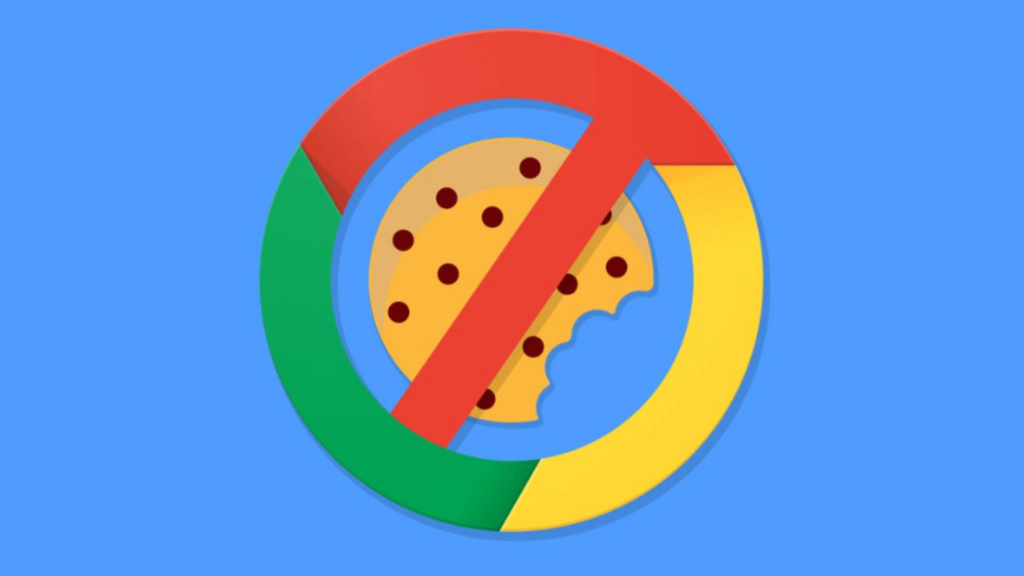
For years, digital ads worked like silent stalkers. You’d search for shoes once, and suddenly every website on the internet would bombard you with shoe ads. That happened because advertisers relied on third-party cookies, tiny trackers that followed people across websites to understand their behavior.
But now, that era is officially ending. Google Chrome has started phasing out third-party cookies, joining Safari and Firefox. This means advertisers can no longer quietly track users as they browse across the internet.
So, what does this mean for businesses, publishers, and everyday users?
Why Are Third-Party Cookies Being Killed?

There are two major reasons:
- People are uncomfortable being tracked without permission. Online users started questioning why they were being followed by ads even when they never signed up for it.
- Privacy laws demanded change. Regulations like GDPR in Europe and India’s DPDP Act forced companies to be more transparent and gain explicit consent before collecting user data.
The easiest response from browsers was simple: Block third-party cookies altogether.
Who Is Most Affected?

- Advertisers and brands who relied on retargeting will now find it harder to chase users who visited their site once and left.
- E-commerce stores that depended on “follow-up ads” to recover abandoned carts will struggle.
- Publishers and media platforms that sold targeted ad space may see lower revenue.
- Users might finally get relief from creepy ads — but also end up seeing more irrelevant ones.
What Comes Next? The New Era of Privacy-First Targeting

Just because tracking is going away doesn’t mean personalization is dead. It’s simply evolving into ethical, consent-based targeting.
Here are the main replacements:
- Zero-Party Data – Instead of Tracking, Just Ask
This is data people willingly give you, like through preference surveys, interactive quizzes, or newsletter sign-ups where they choose topics they care about.
When users share information on their own terms, trust increases and personalization becomes more accurate — without violating privacy.
- First-Party Data – Use What You Already Own
Every brand still has access to its own website analytics, purchase history, app behavior, and loyalty program interactions. This directly collected data remains legal and powerful, as long as consent is taken clearly.
- Contextual Advertising – Target the Content, Not the Person
Instead of tracking individuals, advertising now focuses on what someone is looking at in the moment. For example, a car brand placing ads on automotive blogs or videos. It feels natural, relevant, and is completely privacy-safe.
- AI-Driven Cohort Targeting – Grouping Instead of Spying
Google’s new Privacy Sandbox approach groups users with similar interests instead of identifying individuals. So instead of tracking you, brands target people like you in an anonymous crowd.
Personalization Isn’t Dying Sneaky Personalization Is
The death of third-party cookies doesn’t kill digital advertising. It simply forces it to grow up.
The future belongs to brands that:
- Earn trust, not force tracking
- Collect data openly, not secretly
- Use relevance without surveillance
The real question now is:
Can your brand stay relevant without crossing the line?
If yes, you’re ready for the post-cookie world.