
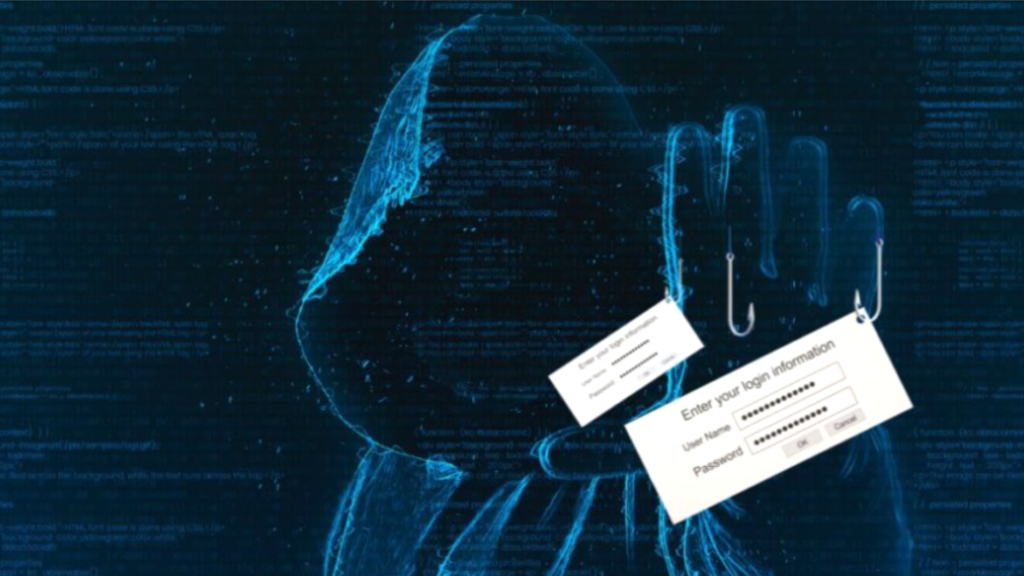
Cyberattacks are becoming more advanced, and criminals are always searching for new ways to target people. Recently, cybersecurity analysts uncovered a large international campaign involving more than 194,000 malicious domains. These domains were used to send fake text messages, known as smishing attacks, and trick victims into revealing their information or allowing unauthorized access to their crypto wallets.
This blog explains what this threat is, why it matters, and how you can protect yourself.
What is Smishing?
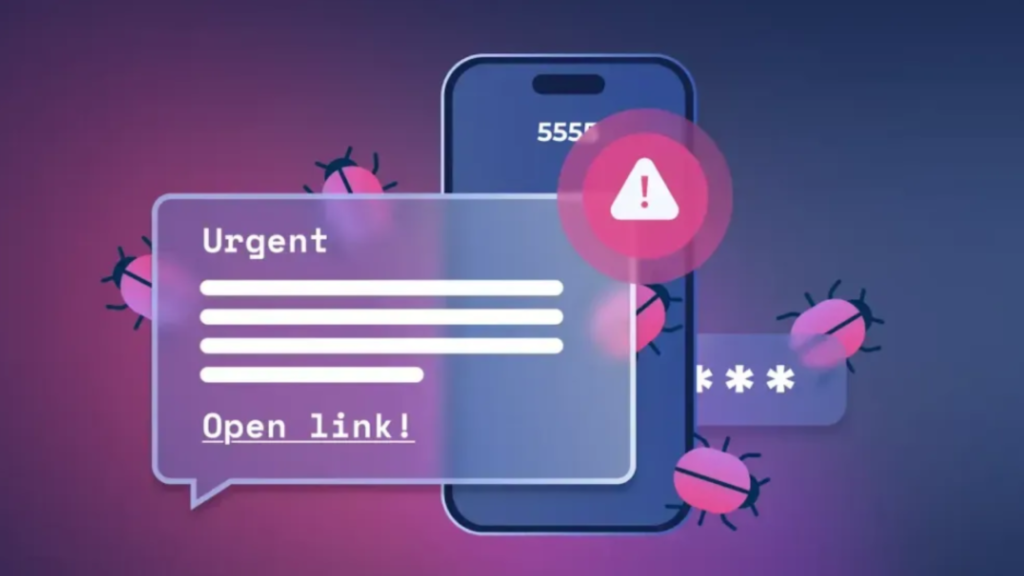
Smishing is a form of phishing conducted through SMS or messaging apps like WhatsApp, iMessage, or Telegram. The attacker sends a message that appears to come from a trusted organization such as a bank, a courier service, a government agency, or a crypto platform.
The message usually contains a shortened or misleading link and creates a sense of urgency, such as:
- “Your bank account will be blocked. Verify now.”
- “You have an unpaid toll. Pay immediately.”
- “You have a pending reward in your Solana wallet.”
When the user clicks the link, they are taken to a fake website designed to steal their login details, payment information, or wallet access.
How Blockchain Became the New Target

Cybercriminals have realized that targeting cryptocurrency users can lead to immediate and high-value payouts. Blockchain networks like Solana and major exchanges are increasingly being impersonated through:
- Fake airdrop websites
- Fraudulent wallet connection pages
- Deceptive token reward alerts
- Phishing sites that request seed phrases
Once a criminal gains access to a user’s wallet, they can transfer funds instantly. Since blockchain transactions are irreversible, there is no way to recover stolen money.
The combination of smishing and blockchain fraud creates a powerful attack method: the mobile message delivers the trap, and the crypto scam executes the theft.
Why This Attack is Growing
There are several factors contributing to the rapid increase in smishing-based blockchain attacks:
- More people are using digital wallets on mobile phones.
- Cryptocurrency is valuable and easy to transfer without oversight
- SMS messages are seen as more trustworthy compared to email.
- Festival seasons and promotional periods make users more likely to click offers.
- Attackers now have access to tools that automatically create thousands of fake websites quickly.
In other words, the more convenient mobile finance becomes, the more attractive it becomes to cybercriminals.
How These Attacks Actually Work
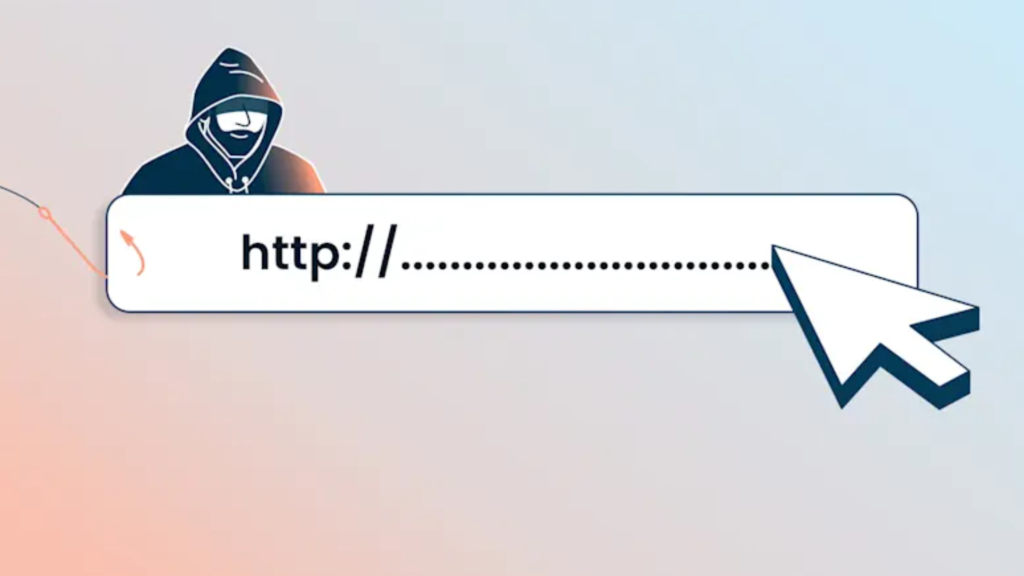
Although attacks may look different on the surface, the core process is similar:
- The attacker sends a believable message using a fake link.
- The victim clicks the link, thinking it is legitimate.
- The website asks the victim to log in, update information, or connect a wallet.
- The attacker captures credentials or triggers a harmful transaction.
- Funds, identity data, or personal access is stolen.
A single click can result in complete loss of personal or financial security.
How to Stay Protected
Avoiding these attacks requires awareness and strong security habits.
For all mobile users:
- Do not click links in SMS if the sender is unknown or suspicious.
- Access services directly through official apps or websites.
- Do not respond to messages asking for passwords, OTPs, or personal information.
- Update your phone and apps regularly to remove security weaknesses.
- Report and block unwanted or scam messages.
For cryptocurrency users:
- Never share your seed phrase, private keys, or recovery codes.
- Verify website URLs before connecting your wallet.
- Reject wallet transaction requests you do not understand.
- Use hardware wallets for storing large amounts of crypto.
- Review your connected applications and remove unnecessary permissions.
The combination of smishing and blockchain scams represents a powerful new cyberattack trend. Criminals know that people rely heavily on their phones for payments, banking, and managing digital assets. By targeting the one device we trust the most, attackers increase their chances of success.
However, with the right knowledge and cautious behavior, these threats can be avoided. Take time to verify every message, especially those involving money. Cybersecurity is no longer optional; it is a necessary life skill.
If you are aware, you are already ahead of the attack.