Home » Education Sector Under Attack: Why Schools & Colleges Are the New Cybercrime Targets
Education Sector Under Attack: Why Schools & Colleges Are the New Cybercrime Targets
Imagine logging into your school’s online portal and finding exam schedules, student records, and even payroll systems locked by hackers demanding ransom. This is not a movie scene, it’s happening worldwide. Recent reports show that the education sector is now the most attacked industry by cybercriminals, even more than government or healthcare.
Cyberattacks on schools, colleges, and universities have jumped by over 40% in the past year globally, with the U.S. seeing a rise of nearly 67%. The trend isn’t just abroad; Indian institutions too are vulnerable as more classrooms, exams, and student data move online.
Why Is the Education Sector Being Targeted?
Treasure Chest of Data Schools and universities hold sensitive personal information, student addresses, financial records, medical info, staff payroll, research data. For hackers, this is as valuable as gold.
Budget Constraints Many institutions, especially public schools or smaller colleges, don’t have big budgets for cybersecurity. Outdated software and weak security make them easy targets.
Shift to Digital Learning From online classes to digital fee payments, the rapid move to tech platforms during and after COVID has created more entry points for attackers.
Human Error A single careless click on a phishing email by a student or staff member can open the door for hackers.
Timing Advantage Hackers know academic calendars. Attacks often spike at the start of terms, exam seasons, or admissions times when schools are least prepared to shut down.
Who Gets Affected?
Students Their personal details, names, addresses, Aadhaar/PAN info (if collected), medical or fee records can be stolen and misused. In some cases, attackers have leaked private student data online.
Teachers & Staff Payroll data, ID cards, or login credentials can be exposed. Faculty may also lose access to teaching resources, emails, or online exam systems.
Parents Ransomware attacks can freeze fee payment systems or leak parents’ contact/financial info, leading to fraud risks.
Institutions Beyond financial loss, a hacked school or college suffers reputational damage. Parents and students may lose trust in its ability to safeguard data.
Real-World Examples
PowerSchool Breach (U.S.): An education software provider serving thousands of schools was hacked. Attackers stole data and later threatened to extort school districts. The provider even paid ransom to limit the damage.
Ransomware Surge: In the first half of 2025, ransomware attacks on U.S. schools rose 23% year-on-year, with ransom demands running into lakhs of dollars.
Closer Home: While not always reported publicly, several Indian universities have faced website defacements, phishing scams targeting students, and suspected ransomware attacks on exam portals.
Why This Is Important
Education is not just about academics; it is about safeguarding the future of millions of young people. If data leaks or operations shut down, it directly impacts learning, exams, and even career opportunities. Moreover, stolen student data can circulate on the dark web for years, making children lifelong targets for identity theft or scams.
What Can Be Done? (Solutions & Best Practices)
For Institutions
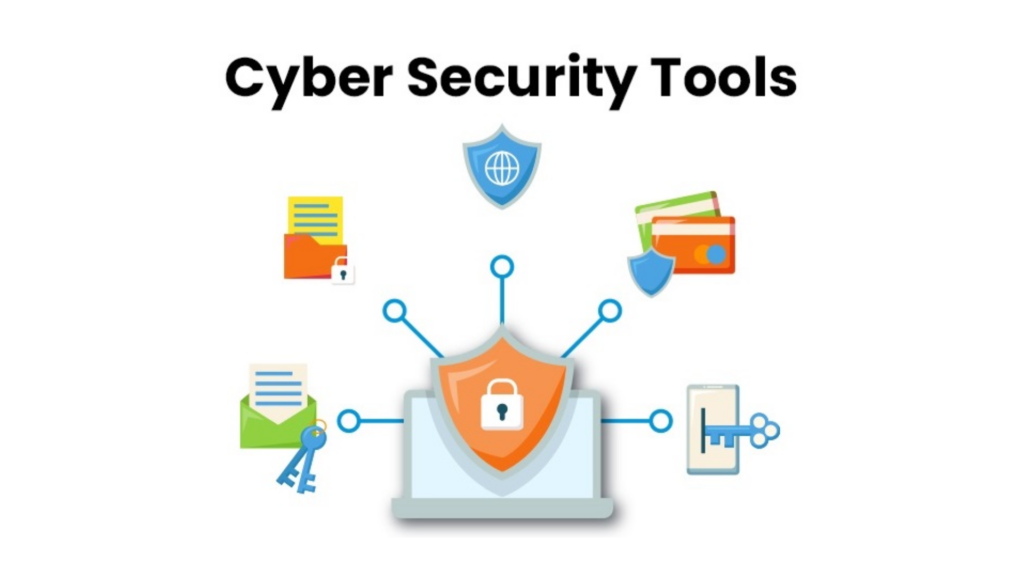
Invest in cybersecurity tools and staff.
Regularly update software and systems.
Maintain secure backups of data.
Vet third-party platforms (exam portals, ERP, learning apps).
For Teachers & Staff
Be cautious of phishing emails.
Use strong passwords and two-factor authentication.
Report suspicious activity immediately.
For Students & Parents
Avoid sharing login credentials.
Stay alert to suspicious messages asking for personal details.
Encourage awareness: cybersecurity is as important as physical safety.
The education sector may not seem like an obvious target, but cybercriminals know it is one of the easiest to exploit and most rewarding. Schools and colleges hold enormous amounts of sensitive data but often lack the resources to protect it.
If institutions, parents, and policymakers don’t take cybersecurity seriously, the future of education risks being held hostage by hackers. Protecting classrooms today means protecting the future generation tomorrow.
Master Cybersecurity
Develop the skills to protect organizations from cyber threats and secure critical data. Prepare for a high-demand, high-impact career.