
Tihar Jail Recognises UpskillNexus on Independence Day for Contribution Towards Inmate Welfare, Reformation and Rehabilitation

New Delhi | 15 August 2026: On the occasion of India’s 80th Independence Day, UpskillNexus was invited to participate in the Independence Day celebrations at Central Jail No. 8/9, Tihar, New Delhi, where our organisation received a Certificate of Appreciation from the Prison Administration in recognition of its contribution towards the welfare, reformation and rehabilitation of inmates. The certificate was presented by Dheeraj Mathur, Superintendent of Prison, Central Jail No. 8/9, Tihar, and formally acknowledges the contribution and dedicated efforts of UpskillNexus towards bringing positive change in the lives of inmates. For UpskillNexus, being recognised in the presence of the prison administration on Independence Day made the occasion particularly meaningful. It was not simply an acknowledgement of our efforts. It represented the larger role that education, awareness and skills can play in creating capability and positive change across different sections of society. A Meaningful Independence Day Recognition Independence Day is a reminder of the responsibilities that come with freedom — and of the work required to build a stronger, more capable and more inclusive India. For UpskillNexus, receiving this recognition at Tihar Jail on 15 August added a different dimension to that idea. The Certificate of Appreciation specifically recognises UpskillNexus’s contribution towards the welfare, reformation and rehabilitation of inmates, while placing on record the Prison Administration’s appreciation and gratitude for the organisation’s efforts. The recognition follows UpskillNexus’s engagement with Tihar Jail, including an Artificial Intelligence and Cybersecurity Awareness Session conducted for officials and staff of Central Jail No. 8/9. Approximately 40–50 participants took part in the awareness session, which focused on emerging technology, cybersecurity, digital safety and responsible use of Artificial Intelligence. The earlier engagement was designed around a simple objective: making complex and rapidly changing technology more understandable, practical and relevant to the people using it. A National Conversation Around Skills and Technology The timing of the recognition also coincided with a significant national conversation around skills and technology. In his Independence Day address from the Red Fort on 15 August 2026, Prime Minister Narendra Modi announced a target to provide Artificial Intelligence skilling to 1 crore young Indians over the next year. The announcement placed AI capability and future-ready skills prominently within India’s broader development agenda. The significance of this goes beyond Artificial Intelligence alone. India’s technological transformation is creating a growing need for people who can understand, use and adapt to new technologies. Artificial Intelligence, cybersecurity, automation and digital systems are increasingly becoming part of education, employment, governance and everyday life. The national focus on AI skilling reflects an increasingly important reality: capability-building is becoming a critical part of India’s next phase of growth. At UpskillNexus, this is closely aligned with why we exist. We believe that skills are not simply tools for getting a job. They can help individuals become more capable, confident and adaptable in a rapidly changing world. And that principle applies far beyond the conventional classroom. From Cybersecurity Awareness to Institutional Engagement The recognition from Tihar follows an earlier AI and Cybersecurity Awareness Session conducted by UpskillNexus for officials and staff at Central Jail No. 8/9. The session brought together approximately 40–50 participants and covered practical aspects of technology and cybersecurity, including: Artificial Intelligence and its real-world applications Emerging cybersecurity threats Phishing and social engineering Password security and multi-factor authentication Digital privacy and data protection Safe internet browsing Digital forensics Cybercrime awareness Responsible use of Artificial Intelligence Practical digital safety practices The session focused on real-world examples rather than technical terminology alone. Participants explored how cybercriminals exploit human behaviour, how AI is changing the threat landscape and how simple security practices can reduce digital risks. The engagement reinforced an important point: cybersecurity awareness is not merely the responsibility of IT professionals but also an institutional responsibility. Our earlier article on the engagement covers the session and its key takeaways in greater detail. Read: UpskillNexus Conducts AI & Cyber Security Awareness Session for Tihar Jail Officials Why Cybersecurity Awareness Matters Across Institutions As institutions become increasingly dependent on digital systems, cybersecurity awareness has become an important part of organisational resilience. Government institutions, businesses, educational organisations and public institutions increasingly rely on digital communication, connected devices, databases and online services. This creates new opportunities, but it also creates new risks. Phishing attacks, social engineering, identity theft, ransomware, malicious links and AI-enabled scams are becoming increasingly sophisticated. At the same time, Artificial Intelligence is making it possible to automate and personalise many forms of digital fraud. This makes AI and cybersecurity training increasingly relevant across sectors. For organisations, cybersecurity moves beyond a technical function. It also depends on the awareness and behaviour of the people who interact with digital systems every day. That is why cybersecurity awareness programmes can play an important role in building a stronger digital culture. At UpskillNexus, our approach to cybersecurity training has always been centred around practical learning — helping participants understand not only what a cyber threat is, but also how it can affect their everyday digital behaviour. Skills, Education and the Larger Idea of Rehabilitation The Certificate of Appreciation is particularly significant. The Prison Administration recognised UpskillNexus for its contribution towards the welfare, reformation and rehabilitation of inmates. Rehabilitation is a complex process. It involves much more than any single intervention, training programme or awareness session. However, education and skill development can form an important part of that larger ecosystem. Skills alone cannot define rehabilitation. But the ability to learn, develop capabilities and engage with a changing world can be an important part of preparing individuals for reintegration into society. This is why the recognition from Tihar matters to us. It acknowledges that our contribution, even through a focused institutional engagement, can form part of a much larger effort towards welfare, reformation and rehabilitation. Taking Skill Development Beyond the Conventional Classroom Skill development is often discussed in the context of colleges, universities, corporate workplaces and training centres. But the need for relevant knowledge does not stop at the boundaries of a classroom. Students need digital skills. Professionals need
AI & Cyber Security Awareness Session at Tihar Jail

Technology is transforming the way we live, work, and communicate. From online banking and digital payments to Artificial Intelligence and cloud computing, our daily lives are becoming increasingly dependent on technology. While these advancements have created new opportunities, they have also increased the risk of cyber threats. Today, cybersecurity has become more than an IT concern. It has become a responsibility shared by every individual, organization, and institution. Recently, the team at UpskillNexus had the privilege of conducting an Artificial Intelligence and Cyber Security Awareness Training Session for the officials and staff of Central Jail No. 8 & 9, Tihar Jail, New Delhi. The session focused on creating awareness about modern cyber threats, responsible use of Artificial Intelligence, digital safety practices, and the importance of cyber resilience in today’s connected world. This experience reinforced one important message: cyber awareness is essential and much needed in every field, more so for fields related to national security. Why Cyber Security Awareness Matters Today Cyber attacks are becoming more sophisticated every year. From phishing emails and fake investment scams to ransomware attacks and AI-generated fraud, cyber criminals are continuously finding new ways to exploit technology. Many people believe that only large companies become victims of cyber attacks. In reality, students, professionals, business owners, government employees, and ordinary internet users are equally at risk. A single click on a malicious link or sharing sensitive information with the wrong person can result in financial loss, identity theft, or data compromise. This is why cyber awareness should become a part of everyday life. Artificial Intelligence is Changing the Cyber Security Landscape Artificial Intelligence is one of the most powerful technologies of our time. Businesses are using AI to automate repetitive tasks, improve customer experiences, analyze large volumes of data, and increase operational efficiency. At the same time, cyber criminals are also using AI to create more convincing phishing emails, deepfake videos, fake voice calls, malicious scripts, and highly targeted scams. During the awareness session, participants explored both the opportunities and challenges created by Artificial Intelligence. The discussion highlighted an important fact—technology itself is not dangerous. The real challenge lies in how it is used. Understanding both the benefits and risks of AI is becoming increasingly important for every digital user. Key Topics Covered During the Awareness Session The session was designed to simplify complex cybersecurity concepts using practical examples and real-life scenarios. Some of the major topics discussed included: Artificial Intelligence and its real-world applications Emerging cyber threats Cyber safety best practices Digital forensics Responsible technology usage Password security and multi-factor authentication Social engineering attacks Phishing awareness Safe internet browsing practices Digital privacy and personal data protection Rather than focusing only on technical terminology, the session emphasized practical learning that participants could immediately apply in their personal and professional lives. Practical Learning Creates Lasting Awareness One of the most valuable aspects of cybersecurity education is practical learning. People remember real situations more effectively than theoretical concepts. During the session, participants explored actual cyber attack scenarios, discussed how attackers manipulate human psychology, and learned how simple preventive measures can significantly reduce cyber risks. Interactive discussions, practical demonstrations, and real-world case studies encouraged participants to think critically about their own digital habits and security practices. This practical approach made the learning experience more engaging, relevant, and impactful. A Recognition That Inspires Us At the conclusion of the awareness programme, the team at UpskillNexus was honoured with an Appreciation Letter from the office of the Superintendent of Prisons, Central Jail No. 8 & 9, Tihar Jail. The letter appreciated the team’s contribution in conducting an informative and relevant awareness session covering cybersecurity, digital forensics, cyber safety, responsible technology usage, and Artificial Intelligence. It also acknowledged the practical teaching methodology, real-world examples, contemporary case studies, and interactive discussions that enhanced the learning experience for all participants. Receiving this recognition is a matter of pride for our entire team. More importantly, it motivates us to continue contributing towards building a digitally aware and cyber-secure society. Cyber Security is Everyone’s Responsibility One of the biggest lessons from this experience is that cyber security is not limited to technology professionals. Every person who uses a smartphone, laptop, social media platform, email account, or digital payment application has a responsibility to follow safe digital practices. Simple habits can make a significant difference: Create strong and unique passwords for every account. Enable multi-factor authentication wherever possible. Never share OTPs or confidential information. Verify links before clicking. Keep software and devices updated. Be cautious while downloading files or applications. Regularly back up important data. Awareness is the first line of defence against cybercrime. Building a Safer Digital Future Through Awareness Technology will continue to evolve. Artificial Intelligence will become more advanced. Cyber threats will become more sophisticated. The best defence against these challenges is continuous learning and awareness. Whether in educational institutions, businesses, government organizations, or public institutions, cybersecurity awareness programmes play an important role in helping people understand digital risks and develop safe online habits. Every awareness session contributes to building a stronger, safer, and more responsible digital ecosystem. Our Commitment Towards Cyber Awareness At UpskillNexus, we believe that education should go beyond classrooms. Our mission is to help individuals, professionals, organizations, and institutions understand emerging technologies while promoting responsible digital practices. Conducting awareness sessions on Artificial Intelligence, cybersecurity, cybercrime prevention, and digital safety is one of the ways we contribute to this mission. The appreciation received from Central Jail No. 8 & 9, Tihar Jail encourages us to continue sharing knowledge, promoting cyber awareness, and supporting India’s vision of a safer digital future. We remain committed to empowering students, professionals, educational institutions, corporate organizations, and public sector bodies through practical learning, industry-relevant knowledge, and technology awareness initiatives. About UpskillNexus UpskillNexus is a leading skill development organization based in Rajouri Garden, New Delhi, offering industry-focused training in Artificial Intelligence, Cyber Security, Ethical Hacking, Digital Marketing, Automation, and professional development. Our programs are designed with a practical-first approach to help learners build job-ready
Cybersecurity Roadmap 2026: Skills, CPT Updates & Expert Guide

Have you ever wondered what happens when you swipe your credit card or send a private message? Well, every second, there is an invisible war going on. Hackers are trying to break in, and a “Digital Shield” is working around the clock to protect our world. The catch? The Digital Shield is getting weaker. Not because our technology isn’t working, but because we don’t have enough people with the right skills to protect it. If you’re looking for a career that is future-proof, fun, and fulfilling, you’re in the right place. Let’s dive in and see what’s new and how you can get started. What’s New? The Latest CPT Updates If you’re in the tech industry, you’ve probably heard of CPT (Cybersecurity Professional Training). It’s like the “driver’s license” of the digital world. The criteria for these certifications have recently been updated. Why? As hackers become increasingly advanced with AI, we need to update our training to keep up. What’s Changed? Real-World Application: It’s no longer about memorizing terms. Now, you have to apply what you know by stopping attacks in the simulated labs. AI: You’ll learn how to use AI to predict attacks before they happen. Cloud Security: Because we store so much information in the cloud, protecting it is now a top priority. Highlights from the National Cybersecurity Conference Recently, there was a national conference on cybersecurity. The brightest minds in the tech industry came together. The atmosphere was electric, but the message was clear: we are all connected, and we are all at risk. The key message wasn’t about a new software solution; it was about resilience. Cybersecurity isn’t just about protecting against attacks anymore; it’s about bouncing back quickly when attacks do occur. Think about it this way: a “secure” person locks their house, but a “resilient” person locks their house and has a pump ready and a plan B. That’s how we think about online security today. The Government’s Big Push: Amit Shah’s Vision Home Minister Amit Shah has said that our country should be a world leader in cybersecurity. He said that cybersecurity is now a national security issue. “Cybercrime poses a major threat to national security. Our country’s data is being stolen and sold to hostile forces, and we are making continuous efforts to stop it.” It’s not just about Instagram passwords anymore; it’s about securing power grids, water, and banking systems. The “Cyber-First” Initiative:Cyber-Forensics: Training police to track digital criminals. Public Awareness: Making sure that even people in small villages don’t click suspicious links. Local Tech: Developing our own security software to minimize our reliance on other countries Industry Demand: Where Do You Fit In? Every company, from local apps to big banks, is crying out for security professionals. What Companies Want: Proactive Defense: People who go out and find vulnerabilities before hackers do. The Skills Gap: Thousands of jobs are available, but most candidates lack the right skills. The good news? This is a massive opportunity, and salaries for these jobs are skyrocketing. Your Step-by-Step Roadmap No PhD required. Here’s how to go from beginner to “Digital Defender”: Step 1: Learn the Basics. Learn about networking and operating systems such as Linux and Windows. Step 2: Get Certified. The latest CPT courses mean you have the skills and knowledge employers are looking for. Step 3: Build a Home Lab. Create a virtual machine where you can test and repair virtual attacks safely. Step 4: Specialize. Decide on a career track: “Penetration Tester” (Ethical Hacker) or “Security Architect” (Defense Designer) and dive deep. Apply Knowledge and Take Action We’ve distilled the latest CPT updates, conference learnings, and the government roadmap into one ultimate guide with free resources and sources. Download Your Career Roadmap: Fill out the form below to get your complete cybersecurity career guide. Frequently Asked Questions Q: Will AI take away cybersecurity jobs? A: It’s actually doing the opposite! While AI can automate boring tasks, it also makes hackers more dangerous. This creates a massive demand for human experts to manage AI tools. Think of AI as the “autopilot” on a plane; it helps, but you still need a pilot in the cockpit to make the big decisions when things get bumpy. Q: Is it too late to switch careers? A: Never. Many successful cybersecurity professionals began their careers in other industries. Q: Are government initiatives only for techies? A: No. There are opportunities in policy, law, and education, too. Conclusion The online world is growing every day, and so are the threats and opportunities. There is a worldwide shortage of cybersecurity professionals. The “skills gap” is not a problem; it’s an opportunity. By using this roadmap, staying updated on the latest CPT developments, and familiarizing yourself with the national vision, you’re not just getting a job; you’re part of a mission. Are you ready to hold the shield?
The Hidden Cyber Threat in India’s EdTech Boom

India’s EdTech sector has witnessed unprecedented growth in recent years. Fueled by digital adoption, government initiatives like Digital India, and a rising appetite for online learning, EdTech startups are now serving millions of students across the country. From K-12 learning platforms to professional upskilling courses, these platforms handle vast amounts of sensitive data, including student names, dates of birth, contact details, academic records, financial transactions, and even behavioral analytics. However, in the race to scale and capture market share, many EdTech companies overlook a critical aspect: cybersecurity. This gap is creating hidden vulnerabilities that threaten not only individual privacy but also the trust and sustainability of the EdTech ecosystem. What Is the Cyber Threat? EdTech platforms are treasure troves of personal data. When security measures are weak, several risks emerge: Data Leaks and Breaches: In 2024, an Indian EdTech startup inadvertently exposed over 2 million student records due to misconfigured cloud storage. Data leaks can include not only personal information but also academic performance, psychological assessments, and payment histories—information that can be misused for identity theft, financial fraud, or even social engineering attacks. Weak Authentication Systems: Many platforms still rely on single-factor password protection without multi-factor authentication (MFA), leaving accounts vulnerable to brute-force attacks. Poor password hygiene among students and educators increases susceptibility to hacking. Limited Preventive Controls: Small and mid-sized EdTech startups often lack dedicated cybersecurity teams. Encryption of sensitive data, regular vulnerability scanning, or real-time monitoring is often absent. Incident response plans, if they exist, are rarely tested or updated. Consequences: Regulatory penalties for non-compliance with laws like the Digital Personal Data Protection Act (DPDPA). Loss of trust among parents, students, and educators. Long-term reputational damage that can stall funding and growth. Why Cybersecurity Should Be a Top Priority The EdTech sector’s rapid expansion has made it a prime target for cybercriminals. Sensitive student data is valuable for identity theft, phishing campaigns, and fraudulent financial activities. Beyond regulatory compliance, strong cybersecurity is essential for business continuity and market credibility. Regulatory Compliance: India’s DPDPA mandates secure handling of personal data and requires companies to notify authorities and affected individuals in case of breaches. Non-compliance can result in fines reaching ₹5 crore or more, in addition to reputational damage. Trust and Brand Reputation: Parents and students entrust platforms with sensitive data. A single breach can irreversibly damage brand credibility. Competitors with better cybersecurity frameworks gain a distinct market advantage. Business Continuity: Cyberattacks can disrupt learning operations, affect millions of students, and stall revenue streams. Recovery from a breach is costly in both time and resources, often leading to reduced investor confidence. How EdTechs Can Strengthen Security EdTech founders must embed cybersecurity into their roadmap from day one. Practical, actionable steps include: Data Encryption and Secure Storage: Encrypt sensitive data both at rest and in transit. Use secure cloud configurations and perform regular audits to prevent accidental exposure. Strong Authentication Mechanisms: Implement multi-factor authentication (MFA) for all user and admin accounts. Enforce periodic password changes and educate users about secure password practices. Regular Security Audits: Conduct penetration testing, vulnerability assessments, and code reviews. Ensure third-party tools or plugins are secure and up-to-date. Employee Training and Awareness: Regularly train staff, educators, and admin teams to recognize phishing attacks, social engineering, and unsafe data handling practices. Make cybersecurity part of the organizational culture rather than a one-time compliance task. Incident Response and Recovery Plans: Develop a clear plan for data breaches that includes containment, remediation, and stakeholder communication. Test these plans periodically to ensure rapid response during real incidents. Real-World Context: India’s EdTech Cyber Challenges India’s EdTech boom isn’t just a story of rapid growth it’s a story of growing cyber vulnerabilities: In 2023, a regional EdTech platform’s database was sold on the dark web, exposing thousands of students’ personal information. Many startups store payment data on unsecured servers or legacy systems without encryption. Cybercriminals are increasingly exploiting weak APIs, cloud misconfigurations, and unpatched software to gain access. These incidents highlight the urgent need for proactive cybersecurity measures rather than reactive responses. India’s EdTech revolution offers transformative learning opportunities, but it also introduces hidden cyber risks. Founders and leaders must recognize that cybersecurity is not optional; it is integral to sustainable growth, regulatory compliance, and trust-building. By integrating robust security practices encryption, authentication, audits, awareness training, and incident response EdTech startups can safeguard student data, protect their reputation, and ensure long-term success in a highly competitive market. Cybersecurity is not just a technical requirement; it’s a strategic business imperative for every EdTech founder in India.
Deepfake Scams Are the New Phishing And Here’s How to Stay Safe
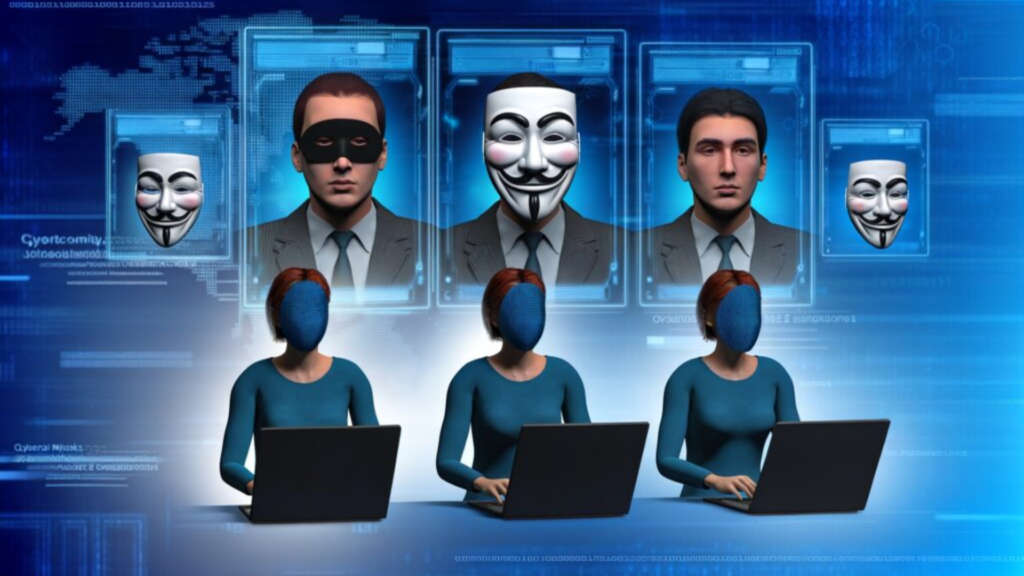
The rise of AI has brought incredible opportunities, but it has also introduced a new breed of cyber threats. Among them, deepfake scams are rapidly emerging as the modern equivalent of phishing, highly sophisticated, deceptive, and increasingly hard to detect. In India, these attacks are no longer hypothetical. They have already caused multi-crore financial losses by exploiting trust and technology. For professionals and businesses alike, awareness and verification have become critical defense mechanisms. Understanding Deepfake Scams Deepfakes use AI to create realistic simulations of human voices, faces, and videos. When weaponized for fraud, they mimic executives, clients, or public figures to manipulate victims into taking actions they normally wouldn’t. Key Techniques AI Voice Cloning Using a few minutes of recorded audio, attackers can reproduce a person’s voice with high fidelity. This has been used in fake executive calls demanding urgent wire transfers. Face Swap Videos Fraudsters create videos of company leaders or celebrities instructing employees or investors to share sensitive information or make payments. Hybrid Attacks Deepfakes are often combined with traditional phishing emails, text messages, or social engineering tactics to increase credibility. Real-World Impact in India Case Example 1: ₹60 Crore CEO Scam In 2023, an Indian company fell victim to an AI voice cloning scam. Attackers impersonated the CEO and instructed the finance team to transfer ₹60 crore to an offshore account. The scam relied entirely on voice authenticity; no emails or written instructions were involved. Case Example 2: Deepfake Video Fraud in Startup Investment A Bangalore-based startup reported that a deepfake video of an investor was circulated, convincing some team members to disclose sensitive pitch deck details. The fraudsters leveraged the trust and visual realism of the video to bypass standard verification procedures. Implications for Professionals Financial Risk: Wire transfers, fake invoices, and fraudulent payments. Data Exposure: Leaked corporate secrets, intellectual property, or sensitive client information. Reputational Damage: Trust in leadership or brand integrity is compromised. These examples show that traditional security measures are no longer sufficient. Deepfake scams exploit the human instinct to trust familiar voices and faces. How: Awareness and Verification Tactics To stay safe, professionals must adopt a multi-layered defense strategy that combines human vigilance with technical safeguards. Verify the Source Never act on urgent financial or sensitive requests solely based on a voice or video call. Always verify through a secondary channel e.g., direct call to a known number, email confirmation, or secure messaging app. Educate and Train Teams Conduct workshops and simulations to teach employees how deepfake scams work. Encourage skepticism for unusual instructions, even if they appear from trusted sources. Leverage Technology Solutions Use AI-based voice and video authentication tools to detect synthetic content. Integrate anomaly detection in financial transactions and sensitive communications. Secure Communication Channels Implement encrypted messaging apps for sensitive instructions. Avoid sharing personal or corporate data over unsecured voice or video channels. Implement Internal Checks For large financial transactions, adopt multi-level approvals that include both human verification and digital authentication. Standardize verification protocols for all high-risk requests, regardless of urgency or sender identity. Stay Informed Regularly follow cybersecurity updates and deepfake threat advisories. Subscribe to alerts from Indian CERT-In (Computer Emergency Response Team) and trusted cybersecurity sources. Deepfake scams are evolving fast, combining psychological manipulation and AI technology to bypass traditional security measures. Professionals and businesses in India must recognize that trust alone is no longer enough verification, awareness, and layered defense are essential. The new phishing isn’t just a suspicious email it could be a voice on the phone or a video on your screen. Adopt vigilance, verify rigorously, and train teams to treat digital content with scrutiny. Only then can organizations stay ahead of AI-driven fraud.
CEH (Certified Ethical Hacker)
In today’s digital era, cyber threats are everywhere. From personal accounts to large corporate databases, no system is completely safe. This is where cybersecurity professionals step in. Among the top certifications in cybersecurity is CEH (Certified Ethical Hacker), a globally recognized credential that equips individuals to detect and prevent cyber attacks. This blog will explain what CEH is, why it matters, how it works, and how you can build a career with it all in simple, easy-to-understand language. What is CEH? CEH (Certified Ethical Hacker) is a professional certification offered by the EC-Council, one of the world’s leading cybersecurity organizations. It teaches you to think like a hacker but legally and ethically. Instead of breaking systems for personal gain, you learn to identify vulnerabilities and fix them before malicious hackers exploit them. Think of CEH as a guide to understanding the hacker’s mindset, tools, and techniques, but using that knowledge for defensive purposes. Key Skills You Learn in CEH: Network Scanning and Vulnerability Assessment – How to find weaknesses in systems. System Hacking Techniques – Understand how hackers access computers and servers. Web Application Security – Learn how to protect websites from cyber attacks. Malware Analysis – Detects and prevents harmful software like viruses and ransomware. Cryptography Basics – Understand encryption techniques to secure data. Cloud and Wireless Network Security – Learn about modern technologies and their security risks. Why CEH is Important The world is going digital, and with it, the number of cyber attacks is rising rapidly. Here’s why CEH certification is important: High Demand for Cybersecurity Professionals – Every organization, from startups to large enterprises, needs experts to prevent cyber attacks. Career Growth – CEH opens doors to roles like Ethical Hacker, Penetration Tester, Security Analyst, and Cybersecurity Consultant. Global Recognition – CEH is recognized internationally, increasing your chances of working with global companies. Ethical and Legal Knowledge – Unlike traditional hacking, CEH teaches how to hack safely and legally. Higher Earning Potential – CEH professionals are often well-paid because of their specialized skills. How CEH Works CEH certification combines theory and hands-on practice to teach you ethical hacking. Here’s the step-by-step process: Training You learn from certified instructors through online or classroom training. The course includes practical labs where you can practice hacking techniques in a safe environment. Topics Covered The CEH syllabus is broad but easy to follow: Footprinting and Reconnaissance: Learning how hackers collect information about targets. Scanning Networks: Detecting open ports, services, and vulnerabilities. System Hacking: Understanding password cracking, privilege escalation, and malware attacks. Web Application Hacking: Protecting websites from SQL injection, cross-site scripting, and other attacks. Wireless Network Security: Securing Wi-Fi networks from intrusions. Cryptography and Cloud Security: Protecting sensitive data through encryption and understanding cloud-based risks. Examination After completing training, you take a CEH exam. The exam tests both theoretical knowledge and practical understanding of ethical hacking techniques. Passing the exam earns you the CEH certification. Real-World Application Once certified, you can simulate cyber attacks to test systems for weaknesses. Organizations hire CEH professionals to find and fix security gaps before hackers exploit them. How to Prepare for CEH Preparing for CEH doesn’t have to be complicated. Here’s a simple roadmap: Understand Basics of IT and Networking: Knowledge of operating systems, TCP/IP, and networking is essential. Join a CEH Training Program: Choose a course that offers hands-on labs and guidance from certified instructors. Practice Regularly: Use virtual labs to practice hacking safely. Use Study Materials: Books, online tutorials, and practice tests can help reinforce concepts. Stay Updated: Cybersecurity is constantly evolving, so follow blogs, news, and updates in ethical hacking. Career Opportunities After CEH CEH certification opens doors to exciting and rewarding cybersecurity careers. Here are some popular roles: Ethical Hacker – Identify and fix vulnerabilities in systems. Penetration Tester – Simulate attacks on networks and applications to test security. Security Analyst – Monitor systems and respond to cyber threats. Network Security Engineer – Build secure networks and prevent unauthorized access. Cybersecurity Consultant – Advise companies on best security practices. Salary Potential: In India, CEH professionals typically earn ₹6-12 LPA, depending on experience and skills. Globally, ethical hackers can earn significantly higher, especially in cybersecurity-critical industries like finance, healthcare, and IT services. Cybersecurity is not just a job; it’s a growing industry with unlimited opportunities. With increasing dependence on digital platforms, CEH-certified professionals will remain in high demand. By learning CEH: You gain practical skills to prevent cyber crimes. You contribute to a safer digital world. You secure a high-paying, globally recognized career. CEH (Certified Ethical Hacker) is the perfect starting point for anyone interested in cybersecurity. It provides practical knowledge, builds ethical hacking skills, and creates vast career opportunities. In a world where cyber threats are becoming more sophisticated, CEH professionals are the defenders of digital safety. If you’re curious about hacking but want to do it ethically CEH is your gateway to a rewarding career.
Smishing & Blockchain: The New Attack Vector
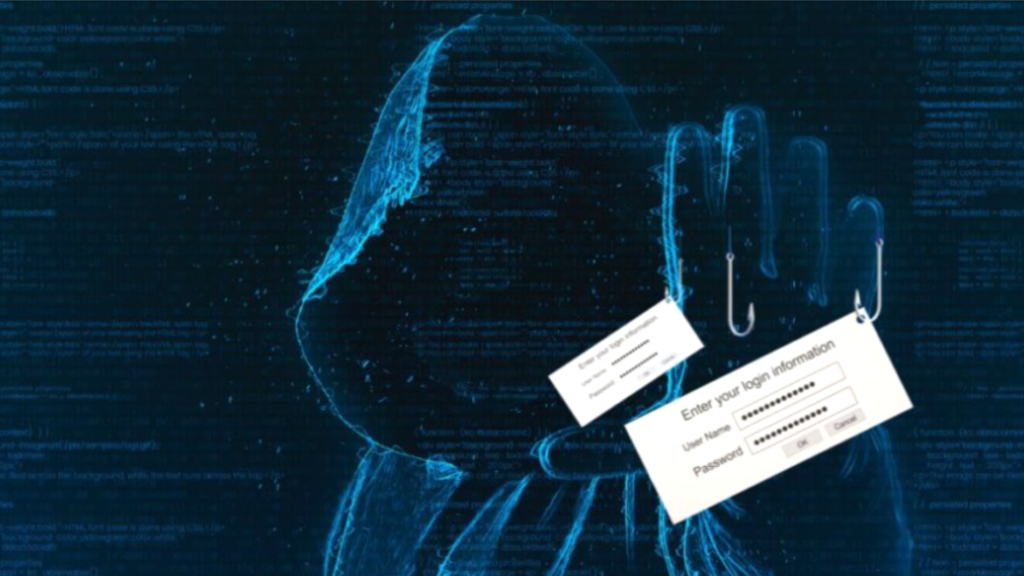
Cyberattacks are becoming more advanced, and criminals are always searching for new ways to target people. Recently, cybersecurity analysts uncovered a large international campaign involving more than 194,000 malicious domains. These domains were used to send fake text messages, known as smishing attacks, and trick victims into revealing their information or allowing unauthorized access to their crypto wallets. This blog explains what this threat is, why it matters, and how you can protect yourself. What is Smishing? Smishing is a form of phishing conducted through SMS or messaging apps like WhatsApp, iMessage, or Telegram. The attacker sends a message that appears to come from a trusted organization such as a bank, a courier service, a government agency, or a crypto platform. The message usually contains a shortened or misleading link and creates a sense of urgency, such as: “Your bank account will be blocked. Verify now.” “You have an unpaid toll. Pay immediately.” “You have a pending reward in your Solana wallet.” When the user clicks the link, they are taken to a fake website designed to steal their login details, payment information, or wallet access. How Blockchain Became the New Target Cybercriminals have realized that targeting cryptocurrency users can lead to immediate and high-value payouts. Blockchain networks like Solana and major exchanges are increasingly being impersonated through: Fake airdrop websites Fraudulent wallet connection pages Deceptive token reward alerts Phishing sites that request seed phrases Once a criminal gains access to a user’s wallet, they can transfer funds instantly. Since blockchain transactions are irreversible, there is no way to recover stolen money. The combination of smishing and blockchain fraud creates a powerful attack method: the mobile message delivers the trap, and the crypto scam executes the theft. Why This Attack is Growing There are several factors contributing to the rapid increase in smishing-based blockchain attacks: More people are using digital wallets on mobile phones. Cryptocurrency is valuable and easy to transfer without oversight SMS messages are seen as more trustworthy compared to email. Festival seasons and promotional periods make users more likely to click offers. Attackers now have access to tools that automatically create thousands of fake websites quickly. In other words, the more convenient mobile finance becomes, the more attractive it becomes to cybercriminals. How These Attacks Actually Work Although attacks may look different on the surface, the core process is similar: The attacker sends a believable message using a fake link. The victim clicks the link, thinking it is legitimate. The website asks the victim to log in, update information, or connect a wallet. The attacker captures credentials or triggers a harmful transaction. Funds, identity data, or personal access is stolen. A single click can result in complete loss of personal or financial security. How to Stay Protected Avoiding these attacks requires awareness and strong security habits. For all mobile users: Do not click links in SMS if the sender is unknown or suspicious. Access services directly through official apps or websites. Do not respond to messages asking for passwords, OTPs, or personal information. Update your phone and apps regularly to remove security weaknesses. Report and block unwanted or scam messages. For cryptocurrency users: Never share your seed phrase, private keys, or recovery codes. Verify website URLs before connecting your wallet. Reject wallet transaction requests you do not understand. Use hardware wallets for storing large amounts of crypto. Review your connected applications and remove unnecessary permissions. The combination of smishing and blockchain scams represents a powerful new cyberattack trend. Criminals know that people rely heavily on their phones for payments, banking, and managing digital assets. By targeting the one device we trust the most, attackers increase their chances of success. However, with the right knowledge and cautious behavior, these threats can be avoided. Take time to verify every message, especially those involving money. Cybersecurity is no longer optional; it is a necessary life skill. If you are aware, you are already ahead of the attack.
Offense Is the Best Defense: Why Ethical Hackers Are the New Security Leaders

For decades, cybersecurity was about defense. Build walls, monitor traffic, stop intrusions and a constant game of reaction. But in 2025, that strategy isn’t enough. The battlefield has changed. Cyberattacks today are faster, automated, and AI-powered striking before teams even know they’re under threat. That’s why a new kind of professional is leading the charge of ethical hackers. They don’t just defend networks, they attack them first to find weaknesses before real criminals do. This shift from reactive defense to proactive offense is reshaping the cybersecurity world. And it’s creating one of the most in-demand, future-proof career paths of the decade. How Cyberattacks Have Evolved Cyberattacks used to be predictable: a phishing email here, a virus there. But those days are long gone. Today’s threats are dynamic, invisible, and coordinated. Ransomware groups now operate like businesses, offering “attack kits” to anyone willing to pay. Deepfake voice scams are tricking CEOs into transferring millions. AI-driven malware can rewrite its code to evade detection. According to (ISC)², there’s a global shortage of over 4 million cybersecurity professionals and organizations are scrambling to fill the gap. In India alone, the demand for ethical hackers has grown by over 40% year-on-year as businesses digitize faster than ever. The result? Companies don’t just need people who can respond to cyberattacks, they need experts who can anticipate and outsmart them. What “Offensive Security” Really Means The phrase offensive security may sound aggressive, but in cybersecurity, it’s a smart, ethical, and strategic practice. Instead of simply waiting to detect attacks, offensive cybersecurity involves simulating real-world hacks to test how strong an organization’s defenses truly are. This is where the concept of Red Teaming comes in. In simple terms: The Red Team plays the attacker — attempting to breach systems using real hacking techniques. The Blue Team defends, monitors, and mitigates. The Purple Team bridges the gap — learning from both sides to strengthen strategy. This process helps organizations understand their blind spots and strengthen weak links before cybercriminals exploit them. Companies like Google, Microsoft, and even government agencies now employ dedicated red teams that conduct mock cyber wars not for chaos, but for preparedness. And that’s exactly the mindset the next generation of cybersecurity leaders need to master. The Mindset of an Ethical Hacker Becoming an ethical hacker isn’t just about learning tools it’s about developing a mindset. An ethical hacker thinks like a criminal, acts like a detective, and protects like a strategist. They ask questions that most people overlook: Where could this system break? If I were the attacker, what would I target first? How fast could I detect and fix the breach? They see patterns others miss. They explore vulnerabilities not to exploit, but to strengthen. What sets them apart is curiosity. They experiment, fail, and learn building intuition around how digital systems behave under pressure. And that curiosity pays off with cybersecurity salaries averaging ₹6–12 LPA for entry-level roles and rapidly scaling beyond ₹20 LPA for skilled ethical hackers in India. But more importantly, ethical hackers are emerging as decision-makers. They advise on risk frameworks, conduct audits, and build long-term security roadmaps leading organizations from the front. Inside the Red Team Advantage Modern cybersecurity learning isn’t theoretical anymore. It’s hands-on, live, and simulation-driven. Red Team Operator training programs like those offered by leading institutes immerse learners in real-world attack labs where they: Simulate breaches in controlled environments. Learn tools like Metasploit, Burp Suite, Wireshark, and Nmap. Conduct vulnerability assessments and penetration testing (VAPT). Execute phishing simulations, network exploits, and privilege escalations ethically. Collaborate in red vs. blue scenarios that mirror enterprise-scale operations. This blend of technical precision and strategic foresight creates professionals who can both break and build the ultimate skillset in modern cybersecurity. Offensive training isn’t about chaos; it’s about control through understanding. Once you learn how attackers think, you become ten times better at defense. From Defenders to Leaders The shift toward offensive cybersecurity isn’t just a skill trend, it’s a leadership evolution. Tomorrow’s Chief Information Security Officers (CISOs) and cybersecurity consultants will come from offensive security backgrounds, because they understand every angle of the threat landscape. They don’t rely on dashboards or alerts; they design systems that are inherently resilient. They don’t wait for a breach, they simulate one before it happens. This proactive, predictive approach is transforming how businesses approach digital trust. In a world where every company is a tech company, cybersecurity isn’t just IT it’s strategy. The Future Belongs to the Proactive Cybersecurity isn’t just about protection anymore. It’s about anticipation. AI, automation, and connected systems have created a new kind of battlefield one that rewards those who can think two steps ahead. Ethical hackers, red team operators, and cybersecurity analysts who adopt this offensive mindset are becoming the new security leaders shaping not just how systems are defended, but how they are designed. In 2025 and beyond, the best cybersecurity professionals won’t be the ones who react to attacks. They’ll be the ones who saw them coming. Because in the digital world, offense truly is the best defense.
The Cybersecurity Talent Gap: Why Now Is the Best Time to Enter the Field
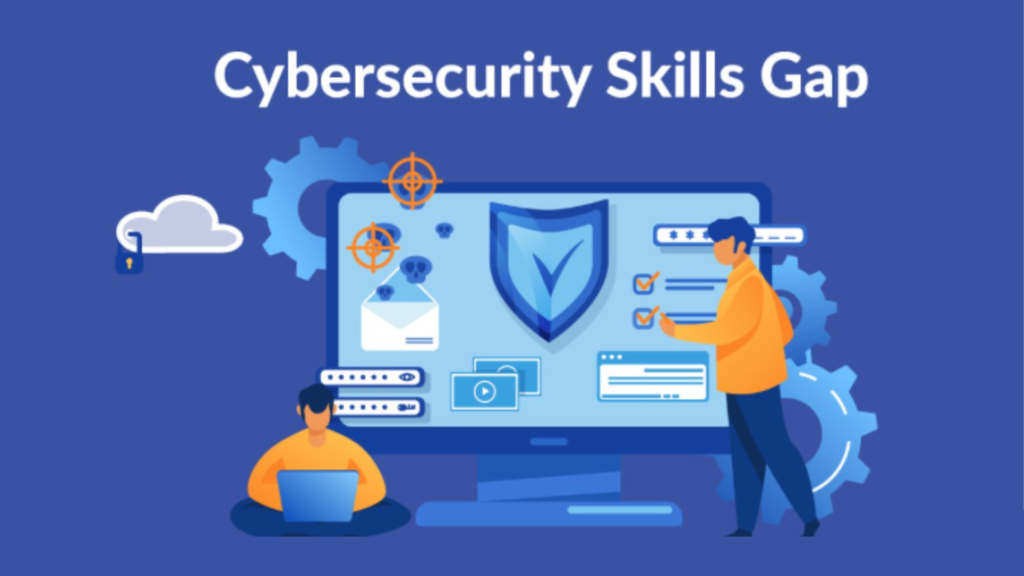
Every time you read about a data breach, ransomware attack, or phishing scam, there’s one question behind the headlines that rarely gets asked: Who’s protecting the systems behind the screen? The truth is not enough people. As cyber threats surge across industries, the world is facing a massive shortage of trained cybersecurity professionals. And for anyone considering a future-proof, high-growth tech career, that shortage is actually an opportunity waiting to be claimed. The State of Cybersecurity Hiring in 2025 In 2025, the global cybersecurity workforce gap crossed 4 million professionals (according to the ISC² Cybersecurity Workforce Study). India alone needs over 500,000 trained cybersecurity experts to meet its rising digital security demands. This surge isn’t theoretical. Every new fintech app, digital bank, AI startup, and cloud-based enterprise creates new vulnerabilities and a need for someone who can protect them. Cybersecurity has moved from being an IT niche to a national priority. In fact: India’s cybersecurity market is projected to reach ₹70,000 crore by 2030 (source: NASSCOM). The average salary of a cybersecurity analyst has grown by over 25% in the past three years. Entry-level roles start at ₹5–7 LPA, while experienced professionals can earn ₹20–30 LPA+, depending on specialization. The demand is so high that, globally, for every two cybersecurity roles, only one qualified person exists. That means if you start now, you’re entering an industry actively looking for you. Why Companies Can’t Find the Right Talent It’s not that graduates aren’t interested in cybersecurity, it’s that most aren’t job-ready. Traditional IT programs focus heavily on theory, network layers, encryption algorithms, security protocols but rarely on what actually happens during a cyberattack or how to defend in real-time. Recruiters today face a dilemma: thousands of applicants, but very few who can: Identify and mitigate real vulnerabilities. Work with ethical hacking and penetration testing tools. Analyze logs and detect anomalies. Respond to live incidents or simulate attacks. In cybersecurity, knowledge isn’t enough. You need hands-on experience, the kind that comes from labs, simulations, and guided mentorship. What Skills Make You Employable in Cyber Roles Employers aren’t just looking for “ethical hackers.” They need professionals who understand systems end-to-end and can think like attackers to defend like experts. Some of the most in-demand cybersecurity skills in 2025 include: Network Security & Firewalls – Protecting systems from unauthorized access. Penetration Testing – Simulating real attacks to find vulnerabilities before hackers do. Incident Response – Managing breaches, tracing intrusions, and minimizing damage. Cloud & Application Security – Securing SaaS, AWS, and enterprise applications. Security Operations (SOC) Monitoring – Detecting threats in real time. AI & Automation in Security – Using AI tools for predictive threat analysis and rapid detection. And the best part? You don’t need to be a coder to start. With structured learning and guided labs, anyone with analytical thinking and curiosity can build these skills from scratch. How UpskillNexus Builds Industry-Ready Professionals At UpskillNexus, the goal is clear to turn learners into industry-ready cybersecurity professionals. The cybersecurity program is built on three pillars: Practical Labs Over Lectures – Every learner practices in simulated environments where real-world attack and defense scenarios unfold. Mentorship from Industry Experts – Learners train under professionals who’ve worked in network security, ethical hacking, and digital forensics. Employability-Focused Training – Beyond tools, students learn how to present findings, report vulnerabilities, and handle client security audits. From ethical hacking and SOC analysis to cloud defense and cyber law, each module blends theory with real implementation. By the end of the course, learners graduate with a portfolio of solved lab challenges, incident response case studies, and the confidence to handle live security systems. This hands-on foundation is what recruiters now prioritize over traditional degrees. Why Now Is the Best Time to Enter Cybersecurity isn’t just another tech trend, it’s the backbone of the digital economy. With businesses scaling online, AI reshaping security patterns, and personal data becoming the new currency, cyber professionals are now as critical as developers and data scientists. And because the industry is still short on skilled talent, the window for early movers is wide open. Starting today means you’ll be part of the generation that defines the next decade of digital safety not just adapting to change, but leading it. The cybersecurity talent gap isn’t just a statistic. It’s an invitation. An invitation to learn, to build, and to protect. If you’ve ever wanted a career that blends logic, purpose, and global relevance this is the one. Because while everyone talks about the next big cyberattack, very few are trained to stop it.The question is will you be among them?
The Cybersecurity Implications of Cloud-Native Applications
Cloud-native applications have completely changed how modern businesses build and deploy software. Instead of one big monolithic system, apps are now broken into microservices, connected through APIs, and deployed using containers managed by platforms like Kubernetes. This architecture gives speed, flexibility, and scalability, which is ideal for DevOps teams. But there’s a tradeoff — more complexity means more security risks. Let’s break it down. Why Cloud-Native Apps Introduce New Cybersecurity Risks In traditional systems, everything lived inside one controlled environment. In cloud-native systems: Every microservice is its own mini-application, which means every component is a potential entry point. APIs become the main communication layer, making them the new attack surface. Containers and orchestration tools (like Kubernetes) bring operational efficiency — but if misconfigured, attackers can hijack entire clusters. DevOps speed often overrides security checks, leading to risky deployments slipping into production. cloud-native = more moving parts = more doors to break in. Key Vulnerabilities to Watch Out For 1. Insecure APIs APIs are often left exposed without proper authentication. Hackers love these because a single vulnerable endpoint can reveal sensitive data. 2. Misconfigured Containers Many teams use pre-built container images from public repositories without checking them. One bad image = instant malware injection. 3. Excessive Permissions If containers or Kubernetes pods are given admin-level access, attackers can escalate privileges and take control of entire systems. 4. Unmonitored East-West Traffic Inside a microservices setup, services talk to each other constantly. Without network segmentation or monitoring, attackers can move laterally without being detected. Who Is at Risk? Startups and fast-scaling SaaS companies that prioritize shipping features over security reviews. Enterprises migrating legacy apps to cloud-native environments without modern security frameworks. DevOps teams that don’t have dedicated security engineers or automated policy enforcement. if your system is cloud-native but your security is not, you’re at risk. Best Practices for Securing Cloud-Native Applications Security in cloud-native environments isn’t about building walls. It’s about embedding protection across every layer: Secure APIs with authentication, rate limits, and continuous validationScan container images for vulnerabilities before deploymentUse Role-Based Access Control (RBAC) to minimize privilegesSegment microservices using service meshes like Istio or LinkerdEnable runtime monitoring to detect unusual container or network behaviorAdopt DevSecOps — shift security left and integrate it into CI/CD pipelines Speed Without Security Is a Trap Cloud-native applications unlock innovation but only if security evolves with architecture. The real mindset shift is this: Don’t secure the cloud like a traditional server.Secure it like a distributed system with shared responsibility. Teams that integrate DevSecOps practices, API security, container hygiene, and continuous monitoring will stay ahead of threats without slowing down development.