
Cyber Threats in Quantum Key Management Services: Breaking Tomorrow’s Encryption Today

Quantum computing is set to revolutionize the future especially in the world of cybersecurity. One of its most promising tools is Quantum Key Management Services (QKMS), which uses the laws of quantum physics to create virtually uncrackable encryption keys. But while these keys are theoretically secure, the systems that manage, distribute, and store them are very much hackable. In this blog, we break down what QKMS really is, how cybercriminals are already targeting it, real-world examples, and what organizations must do to protect their post-quantum cryptographic future. What Is QKMS and Why Does It Matters? Quantum Key Management Services (QKMS) allow organizations to use Quantum Key Distribution (QKD) a method that uses quantum physics to securely exchange encryption keys between two parties. Unlike traditional encryption, which relies on complex math problems (and can be broken with enough computing power), quantum encryption: Uses entangled photons to exchange key information Immediately detects eavesdropping Ensures keys are never duplicated or intercepted In theory, it’s bulletproof.In practice, however, QKMS is a software and hardware system, and those systems are now under attack. Why QKMS Is Becoming a Prime Cyber Target Cybercriminals don’t need to break quantum encryption itself they just need to exploit: Weak configurations API vulnerabilities Firmware backdoors Third-party components in the QKMS stack Attackers focus on the infrastructure and protocols surrounding the key, not the physics behind it. QKMS platforms are also relatively new, often customized, and lack the standardized security maturity found in older cryptographic systems. This makes them vulnerable to both cyberattacks and misconfigurations. Threat Landscape: How QKMS Is Being Attacked Let’s examine the common cyber threats targeting QKMS: 1. Compromise of Quantum Key Distribution (QKD) Networks Attackers infiltrate the network before the quantum key exchange occurs: They can intercept metadata or disrupt synchronization between endpoints. Through timing attacks, they manipulate photon transmission delays to infer partial key values. These are low-level, physics-aware attacks that don’t “break” quantum encryption but defeat the system using side-channel data. 2. Supply Chain Attacks on QKMS Vendors QKMS hardware and firmware often come from third-party vendors. Hackers exploit: Insecure firmware updates Tampered hardware shipped during manufacturing Hidden backdoors in system-on-chip (SoC) devices In 2025, researchers found malware pre-installed on a batch of QKMS control modules distributed across Southeast Asia before they were ever deployed. 3. Software Vulnerabilities in QKMS Platforms Like any enterprise software, QKMS solutions use APIs, management dashboards, and CLI tools: Attackers use web exploits (e.g., XSS, CSRF) to gain unauthorized access Poorly secured admin panels are brute-forced or discovered via Shodan Privilege escalation allows attackers to modify or redirect key exchange processes Many QKMS deployments are behind firewalls but with remote access or third-party integrations, the attack surface expands dramatically. 4. Malware Injection and Lateral Movement If attackers gain access to the broader corporate network, they can: Inject malware into QKMS systems Capture logs, metadata, or key initialization values Use compromised QKMS endpoints to move laterally and target other secure systems Because QKMS interacts with networking, authentication, and storage subsystems, it becomes a pivot point in larger breaches. Real-Life Case: QKMS Vulnerability Exposes Seed Values In March 2025, a research team from Switzerland published a report highlighting a flaw in a widely used QKMS product. The issue? A “predictable random seed” was being used to generate quantum key sessions—essentially making the “uncrackable” encryption guessable under specific conditions. The vulnerability stemmed from: Poor entropy sources A reused initialization vector (IV) Improper random number generator implementation Attackers could replicate and predict parts of the quantum key, undermining the very purpose of the system. This wasn’t a failure of quantum physics, it was a human coding flaw in the software stack. How to Protect Quantum Key Management Services Post-quantum cryptography requires proactive and layered security. Here’s how to secure your QKMS: 1. Patch Regularly with Zero-Day Awareness Stay informed about vulnerabilities from QKMS vendors and open-source libraries Set up automated patching cycles and CVE monitoring tools Quantum systems are high-stakes; even 1-day vulnerabilities can be exploited quickly. 2. Segment QKMS from Internet-Facing Systems Never connect QKMS directly to: Public networks Shared cloud environments Internet-exposed dashboards Use air-gapping, network segmentation, and access whitelisting to minimize lateral movement opportunities. 3. Deploy Hardware-Level Encryption and Tamper Detection QKD endpoints and KMS devices should include: Physically unclonable functions (PUFs) Tamper-proof circuitry Hardware security modules (HSMs) with self-destruct on intrusion This ensures that even physical attacks won’t yield usable keys. 4. Conduct Third-Party Key Audits Bring in independent cybersecurity firms to: Review your key generation protocols Stress-test your QKMS APIs Conduct red-teaming simulations against your key distribution setupAudits ensure objectivity and early detection of systemic issues. 5. Monitor for Side-Channel Anomalies Use anomaly detection systems to monitor: Time delays in key handshakes Bandwidth spikes during key generation Data inconsistencies between QKD pairs AI-based monitoring can flag stealthy timing-based or injection attacks that evade traditional security logs. Securing the Future of Encryption Starts Now Quantum Key Management Services are positioned to protect the world’s most sensitive data from government secrets to financial infrastructure. But unless we secure the management layer, quantum encryption will be no better than its weakest link. As QKMS adoption grows, organizations must treat it as a top-tier cybersecurity asset, with the same care given to firewalls, SIEMs, or core infrastructure. Quantum may be the future but futureproofing it starts with action today.
Deepfake Board Consent: How AI Is Forging Executive Approvals and Decisions

Imagine receiving a video from your company’s CEO approving a $10 million acquisition. It looks like them. It sounds like them. The voice tone is convincing, and the mannerisms match. But there’s one problem: it’s entirely fake. Welcome to the new frontier of cyber deception Deepfake Board Consent, a growing form of synthetic executive fraud where cybercriminals use AI to simulate corporate leaders and approve transactions, deals, or strategic shifts without anyone ever realizing the manipulation. Let’s explore how this threat works, why it’s gaining momentum, and what organizations can do to detect and prevent this next-gen fraud. The Rise of Deepfake Corporate Manipulation Deepfakes started as a fringe curiosity in internet culture. Today, they’re a weaponized tool for corporate fraud. With freely available AI tools and minimal data, attackers can create synthetic videos, voice recordings, and even real-time virtual meeting simulations. These aren’t just shallow fakes. They’re hyper-realistic and persuasive, capable of convincing even experienced board members or senior managers that they’re talking to real executives. The implications for businesses are massive: Unauthorized deals get greenlit Fake decisions ripple through operations Sensitive data gets shared under pretenses Financial and reputational damage spirals quickly How Deepfake Board Consent Works Let’s break down how this type of attack is executed step-by-step. 1. Reconnaissance: Gathering Voice and Video Data Cybercriminals scour: Public interviews Company earnings calls Internal town hall videos YouTube speeches or podcasts to collect enough samples of a target executive’s face, tone, gestures, and voice patterns. Only a few minutes of footage are needed to train the AI. 2. Training AI Models Using deep learning techniques and generative adversarial networks (GANs), attackers create: Synthetic videos with facial movement matching the script Voice clones that imitate tone, pacing, and inflection Interactive deepfakes that can be used in live Zoom-style meetingsThis can happen in under 72 hours with today’s tools. 3. Launching the Deception The deepfake is delivered in one of the following ways: As a pre-recorded video, simulating an urgent approval from the CEO or board In a live deepfake meeting, where the attacker poses as the executive on a video call Through voicemail or voice messages, authorizing a wire transfer, data release, or acquisition Because of the credibility of the sender, employees rarely question the request especially under time pressure. Real-World Scenario: The 2024 Executive Zoom Scam In 2024, a multinational finance firm received what appeared to be a legitimate video call involving two C-level executives. During the meeting, the “CEO” approved the release of confidential M&A data to an external legal team. It wasn’t discovered until weeks later that the CEO was never in the meeting. A deepfake overlay had been used in real-time, and the voice was generated using an AI model trained on past media appearances. The fallout included: A major loss of market trust A $15M dip in stock valuation Multiple lawsuits over breach of confidentiality Why These Attacks Work So Well Visual Trust: Humans trust what they can see, especially when it matches familiar faces. Authority Bias: When a message comes from the “CEO,” employees comply faster and ask fewer questions. Time Sensitivity: Deepfake messages often create urgency (“We need this approved by EOD”), reducing scrutiny. Combine these elements, and you get a perfect social engineering storm. How to Prevent Deepfake Consent Fraud Protecting your business from deepfake consent fraud requires a blend of technological safeguards, policy changes, and staff training. 1. Use Multi-Factor Verification for All Approvals No decision especially financial, legal, or strategic should ever be made based solely on: A video A voicemail A single-channel approval Require secondary confirmation via secure internal messaging platforms, or even biometric authentication for high-stakes actions. 2. Implement Real-Time Liveness Detection Modern video conferencing tools can detect: Subtle lag inconsistencies Unnatural blinking or facial distortions Frame manipulation artifacts Invest in video security add-ons or tools that use AI to flag synthetic content during meetings. 3. Watermark Authentic Board Content Digitally watermark all: Executive video messages Internal memos Pre-recorded approvals This makes it easier to verify legitimate communication and detect doctored content. 4. Train Staff to Spot Deepfake Red Flags Run simulated phishing or deepfake drills to teach employees how to identify: Slight off-sync between voice and lip movement Unusual tone or language used by familiar figures Background inconsistencies or flickering Awareness remains the strongest human firewall. 5. Use AI to Fight AI Deploy deepfake detection tools across: Email filters Video conferencing platforms Corporate communication archives These tools analyze video metadata, voice frequency anomalies, and audio signatures to detect impersonation attempts. Synthetic Trust Is the New Battlefield The boardroom has gone digital and that means the very idea of trust is being challenged. Deepfake consent fraud is a symptom of a larger problem: our overreliance on virtual identity cues. If a CEO’s image or voice can be forged to manipulate millions, companies must evolve their verification standards. It’s no longer enough to see or hear someone you need to authenticate their digital presence through multiple, secure layers.
Tool of the Week: n8n —The Automation Powerhouse

Why n8n Stands Out Now September 2025 marked a significant shift in digital marketing: marketers and brands are seeking deeper engagement tools, interactive experiences, and integrated automation following Google’s core update emphasizing user-centric, value-driven content (Boston Institute of Analytics). In this environment, n8n emerges as a perfect match by manual, siloed work, and hello to seamless workflows across marketing apps. It’s timely, relevant, and built for the present and future of digital marketing. What Exactly Is n8n? n8n is a low-code workflow automation tool meaning you don’t need advanced programming knowledge to use it. “Low-code” allows users to build automations with visual drag-and-drop features, while still offering flexibility for developers to add custom code if needed. With n8n, you can connect and automate interactions between over 1,100 apps and services, including marketing, analytics, AI, CRM, and communications (n8n). In essence, it’s like a smart conductor orchestrating all your digital tools into one smooth performance. Why It Works for Digital Marketers Speed & Efficiency: Reporting tasks that took hours now happen automatically. Integration Power: Pull insights from any platform and connect all tools into centralized workflows. Scalable & Low-Cost: One workflow can serve many clients much cheaper than other per-task platforms (n8n). Creative Use Cases: Mix AI, analytics, content, and CRM logic into dynamic marketing automation pipelines. Integration Highlights — n8n & Marketing Tools n8n supports categories that include: AI/LLMs (for automatic copywriting, summarization) Analytics (GA4, Search Console) Communication (email, Slack, social APIs) Marketing (CRM connectors, content platforms) (n8n) Popular specific APIs used by marketers via n8n:Semrush, Ahrefs, OpenAI GPT, Surfer SEO, Search Console, StoryChief. n8n makes digital marketing automation smarter by connecting everything from content to campaign to CRM into one seamless workflow ecosystem. Whether you’re a freelancer, small business, or enterprise team, n8n offers: Time-saving automation Powerful integrations Scalable cost-efficiency Creative workflow flex As Google continues pushing for engagement-driven content, tools like n8n ensure you’re not just keeping up — you’re staying ahead. Who Benefits and How? 1. Freelancers & Solopreneurs Automate routine reporting — GA4 or Search Console summaries delivered automatically. Draft and publish content using AI before manual review (Reddit). Efficient outreach — fetch SEO prospects, generate personalized emails, and trigger follow-up reminders. 2. Small Businesses & SMEs Connect email marketing, CRM, and analytics for centralized automation. Monitor dark web or review platforms and respond instantly to alerts. Use chatbots or AI integrations for customer engagement flow. 3. Enterprises & Agencies Enable crypto-agility to smoothly switch platforms or tools without rebuilding workflows. Automate multi-channel campaign deployment, lead flows, and reporting. Manage complex logic across global operations using nodes and conditional triggers. How Does it Work? Visual WorkflowsBuild automation using a drag-and-drop interface — no coding skills needed. Example: drag “new email” as a trigger, then connect it to “add contact in CRM.” Triggers & Nodes Begin with a trigger (like “new email” or “form submission”) and chain multiple actions. Example: A form submission → parse data → add to Google Sheets → notify team on Slack. Rich IntegrationsConnect with tools like GA4, SEO APIs, social platforms, CRMs, AI engines, and more (Reddit, n8n). Example: Fetch GA4 data → analyze SEO keywords with GPT → push insights to Trello board. Custom LogicIncorporate conditional branches, loops, data transformations, even GPT-powered content steps. Example: If lead score > 80 → trigger personalized email; else → add to nurture list. Use Case Example: AI-Powered SEO Reporting Trigger: Daily fetch ranking data from Google Search Console Step 1: Send data to Google Sheets Step 2: Analyze trending keywords with OpenAI (GPT) Step 3: Draft an SEO summary email Step 4: Send to clients & archive report Reddit users have shared similar experiences: “We built workflows that pre-fill outreach emails using Ahrefs, GPT, and LinkedIn APIs — saves tons of time though still needs human personalization.” “Automated GA4 reporting, keyword tracking… value is in saving time, not replacing strategy.” As Google continues pushing for engagement-driven content, tools like n8n ensure you’re not just keeping up you’re staying ahead.
Malware at the Charging Station: How Public EV Chargers Are Becoming Cybercrime Hotspots

As electric vehicles (EVs) accelerate into the mainstream, the infrastructure supporting them, especially public charging stations, has grown rapidly. But while EV chargers are a convenience for drivers, they’re also becoming a new attack surface for hackers. A new form of cyberattack is emerging: malware delivered via public EV charging stations. This tactic blends physical proximity with digital intrusion, allowing cybercriminals to target your car, your phone, and your personal data right while you’re fueling up for the road ahead. Let’s explore how this threat works, why it’s on the rise, a real-world case study, and practical steps to protect yourself and your vehicle. Why EV Charging Is Becoming a Threat Vector Electric vehicles rely on high-tech systems for everything from battery management to GPS, infotainment, and diagnostics. When you plug your car or smartphone into a public EV charging station, especially one that supports USB data transfer, Wi-Fi sync, or app integration you’re essentially establishing a digital handshake with a third-party device. If that charger has been compromised, you’re potentially handing over: Your device’s file system Your GPS location Your connected accounts (Google, Apple, etc.) And in the worst-case scenario, the car’s onboard systems Public EV chargers, especially those in parking lots, malls, or free-use stations, often lack cybersecurity oversight. They’re designed for convenience, not resilience. And cybercriminals know this. How the Attack Works: “Juice Jacking” 2.0 The term “juice jacking” originally referred to attackers using USB charging stations to install malware or steal data from connected smartphones. But now, that concept has evolved. Welcome to Juice Jacking 2.0 the EV version. Here’s how the attack unfolds: Step 1: Compromising the Station Hackers either physically tamper with the charger or infect its backend software remotely: They plant malware in the charger’s firmware or operating system. Sometimes, they use supply chain vulnerabilities, embedding malicious code before the device is even installed. Step 2: Connection Initiated When a user plugs in: A USB or data interface silently syncs with the user’s smartphone or EV system. If the port allows two-way communication, the malware executes its payload. Step 3: Exploitation Begins Depending on the sophistication of the attack, malware can: Infect the car’s infotainment or GPS systems Access driving history, contact lists, and synced accounts Track movement, harvest personal schedules, or even initiate remote commands Some versions may stay dormant until triggered remotely, a technique often used in state-sponsored cyber surveillance. Real-World Scenario: Los Angeles EV Charger Hack In early 2025, several EV chargers in a busy Los Angeles shopping mall were discovered to be maliciously modified. Here’s what happened: Chargers offered USB ports for mobile device charging, along with an app for loyalty points. Hackers embedded malware into both the charger firmware and the app backend. When drivers plugged in their cars or phones, the malware executed: It accessed GPS logs from the car’s system. It syncs with Google Calendar or iCloud from connected smartphones. Sensitive contacts and email metadata were quietly uploaded to a remote server. The attackers used this information to plan phishing attacks, location-based scams, and even physical break-ins when the car owner was known to be out of town. No vehicles were damaged directly, but over 300 users reported suspicious account activity within days. Why This Threat Is Getting Smarter Thanks to AI-generated payloads, these attacks are evolving: Malware is now adaptive, recognizing whether it’s connected to an Android, iOS, or a vehicle. Some AI-enhanced malware can disguise itself as a software update. Others delay activation to avoid detection activating only when the car hits a certain location or after a specific time window. These intelligent payloads make the attack more difficult to trace and exponentially more dangerous. Safety Tips: How to Protect Your EV and Devices Luckily, there are simple ways to shield yourself from this emerging cyber threat. 1. Avoid Untrusted Charging Stations Prefer chargers from reputable EV networks (e.g., Tesla Superchargers, ChargePoint, BP Pulse). Avoid free or unbranded charging units in remote areas or unfamiliar parking lots. 2. Use Charge-Only USB Cables These cables physically block data transfer, only allowing electricity to pass through. They’re inexpensive and effectively ideal for mobile phone charging in public places. For EVs, use manufacturer-certified charging cables and avoid aftermarket add-ons or cable extensions with USB features. 3. Install In-Car Cybersecurity Software Many modern cars now allow third-party or OEM-installed security systems that: Scan incoming connections Block unauthorized data access Alert drivers to suspicious activity Think of it as antivirus software but for your car. 4. Disable Auto-Sync Features Turn off: Auto Bluetooth pairing App sync with your car’s infotainment system Automatic media sharing Especially when charging in public environments, limiting what gets shared reduces your digital footprint. 5. Update Firmware Regularly Keep your EV’s operating system and apps up to date. Check for patches from your automaker or infotainment provider. If you use charging network apps (e.g., PlugShare, Electrify America), update them from official app stores only. For EV Infrastructure Providers: Secure by Design As this threat grows, charging station manufacturers and providers must take responsibility by integrating cybersecurity from the ground up. Recommended actions: Implement end-to-end encryption for all charger communications Use tamper-proof hardware enclosures Conduct penetration testing and firmware validation Install automatic rollback mechanisms if malware is detected Cybersecurity must be baked into the product not bolted on later. Charging Safely in a Connected World EVs are the future but the security landscape around them is still maturing. Just as you wouldn’t use an unknown ATM for fear of card skimming, you should approach public EV chargers with the same caution. Juice Jacking 2.0 is a reminder that even the most mundane digital interactions like powering up your ride can have hidden risks. But with awareness, the right tools, and secure habits, you can enjoy the convenience of EVs without opening the door to cybercrime.
Voiceprint Poisoning: When Smart Speakers Learn the Wrong You

“Hey Alexa, transfer ₹5,000 to my Paytm account.” What if your smart speaker obeyed that command but it wasn’t you speaking? Welcome to the world of voiceprint poisoning, a new frontier in adversarial machine learning where attackers manipulate your voice authentication system to impersonate you with synthetic precision. What Is Voiceprint Authentication? Modern smart speakers and voice assistants like Amazon Alexa, Google Assistant, Apple Siri and Samsung Bixby use voice biometrics commonly called voiceprints to recognize individual users. These systems analyze characteristics such as pitch, tone, accent, rhythm, spectrogram patterns, mel-frequency cepstral coefficients (MFCCs), and temporal sequences of spoken tokens. Voice authentication models are typically powered by deep neural networks (DNNs), CNNs, or RNNs, trained on user-specific speech samples. Once trained, the system checks whether new commands match the stored profile unlocking devices, confirming payments, adjusting thermostats, or opening doors. What Is Voiceprint Poisoning? Voiceprint poisoning is a machine learning attack where adversaries tamper with the voice authentication model during its training or retraining phase. How It Works: Injection of Poisoned Samples:Attackers inject synthetically generated or voice-converted audio samples into the system falsely labeled as the legitimate user. Subtle Model Corruption:These poisoned samples slightly shift the model boundaries, making the attacker’s voice accepted as the victim’s, without degrading overall performance. Silent Takeover:Once the model is updated, the attacker can issue commands and the speaker responds as if it’s you. This isn’t just about mimicking your voice. It’s about convincing the machine you’ve retrained it yourself. How Voiceprint Poisoning Differs from Deepfake Voice Attacks While both involve synthetic voice usage, they are fundamentally different in impact and execution. Deepfake voice attacks are real-time impersonations, often blocked by liveness checks or behavioral analysis. In contrast, voiceprint poisoning alters the model itself. Once successful, the attack offers long-term access without triggering detection mechanisms, making it significantly more dangerous. Why Voiceprint Poisoning Matters Voiceprint poisoning allows attackers to take over devices and systems secured by voice authentication. They can unlock smart doors, trigger banking or shopping actions, and access emails, calendars, or other connected IoT systems. The attack is particularly dangerous because it doesn’t reduce the system’s ability to recognize the legitimate user. That means there are no alerts, no system failures, and no reason to suspect anything is wrong. The attacker blends in perfectly. What makes this threat scalable is the availability of AI voice generators and voice conversion tools like SV2TTS, Descript Overdub, and Resemble AI. With just a minute or two of your recorded voice from a podcast, video, or voicemail attackers can generate realistic clones capable of poisoning voiceprint models. Real‑World Research & Case Studies Researchers at Vanderbilt University and Tsinghua University developed a CNN-based defense system called Guardian, designed to detect poisoned voice samples during training or retraining. Guardian achieved approximately 95% detection accuracy, significantly outperforming older detection methods that hovered around 60%. Other studies conducted across platforms like IEEE, ResearchGate, and arXiv have demonstrated how adversarial text-to-speech attacks consistently bypass standard voice authentication systems. These studies show that poisoning attacks succeed in over 80% of cases when there is no manual validation, and that attackers can reproduce voiceprints using less than 60 seconds of audio data. How These Attacks Are Executed The attack typically begins with audio harvesting, where an attacker collects public voice samples from online videos, social media, or intercepted recordings. These are then processed through voice synthesis or conversion tools to generate phrases that mimic the victim’s speech style. The next step involves injecting these fake samples during a training or re-training window like when a smart speaker prompts the user to improve voice recognition or verify identity. Once these poisoned samples are accepted, the attacker’s voice becomes a trusted input. From there, it’s easy for the attacker to trigger high-risk commands, such as unlocking a door or initiating a financial transaction. How to Defend Against Voiceprint Poisoning To defend against this attack, start with a secure data pipeline. Ensure that voice registration or retraining can only occur during authenticated sessions. This means requiring a phone unlock, biometric ID, or PIN verification before any new samples are accepted. Next, manually review or cross-check voice samples during re-registration. Relying on fully automated re-training leaves your model vulnerable to subtle corruption. Use poison detection tools like Guardian to flag suspicious or tampered samples during the re-training phase. These systems can analyze audio patterns and identify abnormalities that indicate synthetic manipulation. Implement adversarial retraining techniques by introducing obfuscated or adversarial samples during the training phase, making the system more resilient to voice mimicry and synthetic variation. Layer authentication for sensitive actions. For example, even if voiceprint says “yes,” it requires confirmation through a mobile device, biometric scan, or PIN before executing high-risk commands like transactions or door unlocks. Finally, audit the voice model regularly. Keep logs of voice training sessions, timestamps, and audio samples. Regular audits help identify anomalies in usage or voice profile updates. So, a quick checklist: Secure data pipeline Manually review or cross-check voice samples Use poison detection tools Implement adversarial retraining techniques Layer authentication for sensitive actions Audit your voice model regularly So, what now? Voiceprint poisoning may sound like science fiction but it’s already knocking on the doors of smart homes, banks, and corporate IoT systems. As AI-generated voices become more convincing and smart speakers more powerful, the risk of these invisible identity attacks will only grow. The solution isn’t just better voice recognition, it’s smarter, layered defenses. Lock down the training process. Use adversarial retraining. Monitor your system. Because your voice is your password, and in a world of deepfakes and synthetic threats, you need to make sure it’s not anyone else’s.
Current Affairs in Cybersecurity: Cloudflare & Salesforce Under the Spotlight
What’s Going On? In early September 2025, a major cybersecurity ripple emerged from a sophisticated supply chain attack tied to Salesloft Drift, a popular AI chat tool integrated with Salesforce. Hackers obtained OAuth tokens, granting them unauthorized access to multiple companies’ Salesforce environments even without breaking into the Salesforce system itself. Cloudflare Speaks Out Cloudflare confirmed that its Salesforce powered system used to manage customer support cases was breached. Hackers managed to extract support ticket details, including sensitive logs, customer notes, and even tokens shared during troubleshooting. Fortunately, core infrastructure and platform services remained untouched. Cloudflare’s response was swift: they revoked the compromised OAuth tokens, disabled the Salesloft integration, rotated API credentials, upgraded monitoring, and implemented stricter third party policies. Cloudflare also publicly acknowledged the incident, setting a strong example in transparency. The Growing Fallout This isn’t just a one off. The breach spread across hundreds of organizations, including cybersecurity giants like Palo Alto Networks, Zscaler, Proofpoint, SpyCloud, Tanium, Tenable, Workiva, and others. Most confirmed exposure of Salesforce based case objects, contact data, and metadata but emphasized that their own core systems remained uncompromised. Google’s Threat Intelligence team traced the breach to a threat actor identified as UNC6395, while Cloudflare referred to the same group as GRUB1. The attack spanned roughly August 8 to 18, with the breach publicly disclosed around August 26. What Makes This Incident Different? Not a Salesforce compromise: The attacks exploited how Salesforce connects with third party tools, not the platform itself. Authorized access gone rogue: Threat actors abused valid tokens, giving them seamless entry into corporate Salesforce data. Mass supply chain risk: With tools like Drift integrated across departments, token misuse became a widespread threat vector. Why It Matters For You If you use third party integrations: Any connected app like sales tools or chatbots could expose sensitive data through your CRM unless closely audited. Token protection is critical: Compromised OAuth tokens can act as master keys into your cloud infrastructure. System transparency helps: Companies like Cloudflare that openly share breach details build trust, something all organizations should follow. This ongoing story of the Cloudflare Salesforce Salesloft Drift breach is a powerful reminder that cybersecurity extends beyond system defenses. It is about managing the entire ecosystem of tools we rely on. Make “authorized but compromised access” part of your threat model today. Audit every integration, rotate access tokens regularly, and treat third party connections with the same scrutiny you reserve for your own infrastructure. Stay vigilant and informed as this story continues to evolve.
How Hackers Are Exploiting Smart Cooling Systems to Breach Physical Infrastructure

When air conditioning becomes a backdoor for cyberattacks.Comfort Comes at a Cost Smart cooling systems are no longer a luxury; they’re a necessity in modern infrastructure. From data centres and airports to manufacturing plants and high-rise buildings, IoT-connected HVAC systems help regulate temperatures efficiently, save energy, and reduce costs. But there’s a catch: hackers have discovered that these “smart” systems are often the weakest link in critical physical infrastructure. Poorly secured cooling networks can be hijacked to cause downtime, initiate cyber-physical attacks, or even act as an entry point into broader enterprise networks. The rise of HVAC-based intrusions marks a growing trend: attacks that begin with building systems but end in data theft, operational sabotage, or complete shutdowns. How Smart Cooling Systems Become Attack Vectors 1. Default Credentials and Unpatched Firmware Many industrial HVAC systems ship with default usernames and passwords like “admin/admin” or “guest/1234”, and they often remain unchanged after installation. Attackers exploit public databases like Shodan to identify exposed systems and log in within seconds. Further, these devices often run on outdated firmware that lacks modern encryption or intrusion detection, making them ideal targets for exploitation. 2. Lack of Network Segmentation In many facilities, HVAC systems are connected to the same internal network as security cameras, badge systems, and even operational servers. Once a hacker gains access to the HVAC controller, they can move laterally across the network to reach mission-critical assets. In a now-infamous case, attackers breached Target Corporation in 2013 via their third-party HVAC vendor, stealing 40 million credit card numbers. 3. Remote Access Exploits Many smart cooling systems support remote diagnostics and maintenance, convenient for technicians, but a goldmine for hackers. If Remote Desktop Protocol (RDP), VPNs, or web portals are left exposed or misconfigured, attackers can gain direct access to the control panel. Real-World Attacks Involving Smart Cooling • Data Centre Shutdown (Fiction Meets Reality) A 2024 simulated red team exercise at a financial institution found that compromising the smart cooling units caused critical servers to overheat and crash within 28 minutes. This resulted in over $4.5 million in simulated downtime costs. • Manufacturing Plant in Taiwan (2023) https://www.canva.com/design/DAGw4r74c60/9QoKF8761b3TsupdT7Sf0g/edit A Taiwanese electronics manufacturer suffered delays after attackers infected its smart HVAC network with malware that increased temperatures in precision assembly rooms, rendering batches of microchips defective. • Casino Hack via Aquarium Thermostat Yes, this happened. In 2018, hackers used an internet-connected fish tank thermostat to breach a high-end casino and exfiltrate 10 GB of sensitive data. The thermostat was tied into the same network as the company’s internal systems. The Risks: What’s at Stake? 1. Physical Infrastructure Sabotage Hackers can overheat or shut down smart cooling units, damaging sensitive equipment like: Data servers Manufacturing lines Lab-grade instruments Telecom infrastructure 2. Entry Point for Ransomware Once inside the network, attackers can deploy ransomware across other systems, from employee workstations to ERP software. 3. Compliance and Legal Liability Breaches caused by HVAC vulnerabilities can trigger violations under data privacy laws like GDPR, CCPA, or India’s DPDP Act, especially if customer or employee data is affected. 4. Loss of Business Continuity https://www.canva.com/design/DAGw4r74c60/9QoKF8761b3TsupdT7Sf0g/edit In industries like finance, logistics, or healthcare, even a 30-minute disruption can result in significant revenue loss and reputational damage. Industries Most at Risk Data Centres: A/C failure = meltdown. Hospitals: Operating rooms require strict temperature control. Pharmaceuticals: Cooling failure can invalidate medical stock. Smart Buildings & Airports: Any automation system is fair game. Defence and Aerospace: Classified labs often rely on tightly controlled climate zones. How to Secure Smart Cooling Systems 1. Change Default Credentials Immediately Every IoT device, including thermostats and cooling controllers, should be provisioned with unique, strong passwords before being deployed. 2. Isolate HVAC Networks Use network segmentation and firewalls to keep HVAC systems isolated from business-critical networks. They should never be directly accessible from the public internet. 3. Enable Logging and Monitoring Deploy real-time monitoring tools that can alert administrators to unusual login attempts, temperature changes, or remote access requests. 4. Restrict Remote Access If remote access is required: Use MFA (multi-factor authentication) Whitelist specific IP addresses Avoid open RDP ports 5. Patch Regularly Ensure that all firmware and software associated with HVAC and smart cooling systems are kept up to date. Subscribe to vendor alerts and advisories. 6. Conduct Periodic Pen-Testing Include HVAC systems in penetration testing and red team drills to identify unexpected vulnerabilities. Looking Ahead: Cooling as a Cyber-Physical Attack Surface The convergence of cyber and physical systems, known as cyber-physical systems (CPS), means comfort technology is now part of your threat surface. Expect the following trends to rise: AI-based intrusion detection in HVAC networks Cyber insurance clauses covering IoT climate systems Mandatory audits of smart building systems for large enterprises It’s Not Just a Thermostat Anymore What was once a humble cooling unit is now a potential cyber weapon. In the era of smart infrastructure, ignoring the security of your environmental controls could open the door to devastating attacks. If you’re building or managing critical environments, securing HVAC systems is no longer an operational concern; it’s a cybersecurity imperative. After all, the next breach may start not with a firewall but with a fan coil unit.
AI-Generated Deception in ERP Systems: How Hackers Target Business Workflows

In today’s fast-paced business world, Enterprise Resource Planning (ERP) systems are the nervous system of large and mid-sized organizations. From managing supply chains to handling payroll, invoicing, customer databases, inventory, procurement, and beyond ERP platforms centralize mission-critical functions under one digital roof. But as companies integrate Artificial Intelligence (AI) into these systems to improve efficiency, hackers are leveraging AI in equal measure but for deception. Let’s dive into how AI-generated deception works in ERP systems, real-world examples of damage, and what businesses can do to protect their workflows from invisible threats. What’s Happening? ERP systems from providers like SAP, Oracle, Microsoft Dynamics, and others are a prime target for cybercriminals. Why? Because they hold everything: money movement, employee records, supplier information, and sensitive strategic data. Traditionally, attackers relied on phishing, malware, or brute force logins to break into ERP platforms. But now, AI has supercharged these attacks. Instead of barging through the front door, today’s hackers are using AI-powered bots that blend in, mimic, and deceive. Once inside, they act like regular employees until they’ve quietly siphoned off millions or disrupted operations entirely. This new class of cyberattack is known as “AI-generated deception in ERP systems.” How AI Enables ERP Deception The danger with AI-driven threats is their subtlety and intelligence. These aren’t just scripts running amok, they’re bots trained to observe, learn, and adapt to your organization’s unique behavior. Here’s how it typically works: 1. Learning Internal Workflows Once attackers gain minimal access to the ERP system through compromised credentials, a vulnerable API, or a third-party plugin they deploy machine learning bots that study user behavior: Who approves which transactions? What times are typical for order placements or transfers? How are purchase orders or invoices structured? This gives the AI context so it can act within the lines. 2. Mimicking Employee Behavior Instead of triggering alerts by acting erratically, the AI: Logs in during standard hours Accesses modules the target employee uses Uses familiar language patterns in messages or approvals It becomes indistinguishable from a legitimate user. 3. Automating Fraudulent Transactions Once trusted inside the system, the bot starts to: Change supplier banking details to attacker-controlled accounts Approve fake purchase orders Alter shipping or inventory records to cover theft Create shadow users or roles with hidden permissions All while blending in. 4. AI-Written Communications To manipulate teams further, AI tools like LLMs (Large Language Models) are used to: Send emails posing as employees or vendors Issue internal memos or requests that sound convincingly human Trigger automated workflows that look like normal business operations This isn’t your average typo-ridden phishing email. These messages are well-written, timely, and embedded in your company’s tone of voice. 5. Silent Data Manipulation The AI may also: Alter invoice totals Delay certain reports from being generated Obscure audit trails by tampering with logs This makes detecting the attack harder, especially for overworked IT teams relying on legacy monitoring tools. Real-World Example: The $4.3 Million ERP Breach In early 2025, a logistics company in Europe experienced a highly targeted attack. Here’s how it unfolded: An AI bot gained access to the ERP system via a compromised supplier integration. It impersonated a mid-level logistics manager who often processed vendor payments. Over 19 days, the bot subtly rerouted payment authorizations to a set of fake vendors created within the system. It even sent fake but well-written follow-up emails confirming shipment and invoice details. By the time finance teams noticed discrepancies, the company had already lost $4.3 million, and their supply chain data had been corrupted beyond trust. The most chilling part? The attack bypassed traditional firewalls, antivirus tools, and even behavior-based alerts because the AI mimicked the employee too well. How to Stay Protected: 6 Proactive Defenses Preventing AI-generated ERP deception requires a multi-layered cybersecurity approach that includes technology, policy, and people. 1. Deploy AI-Driven Anomaly Detection Just like hackers use AI to blend in, defenders must use AI to detect subtle anomalies: Unexpected but low-risk user behaviors Slightly modified invoice formats Slight delays in expected approvals Advanced security tools powered by machine learning can flag these micro-patterns that humans often miss. 2. Implement Zero Trust Architecture Don’t trust anyone internal or external by default. Every access request must be verified and validated. Users should have minimum privileges needed for their roles. All connections, even from “trusted” networks, should be continuously authenticated. 3. Introduce Multi-Step Approvals High-value actions like: Vendor banking changes Large purchase orders Critical inventory adjustments should always require 2 or more separate approvals, ideally from different departments. This reduces the chance of a single compromised account executing a full fraud cycle. 4. Conduct Frequent ERP Audits Regularly review: Access logs Configuration changes Financial workflows Look for strange patterns like: Late-night logins Disabled alerts Recently created user roles These are often breadcrumbs left behind by malicious bots. 5. Train Employees on AI Risks Your employees are the first line of defense but only if they understand the evolving threat landscape. Teach them how AI-generated emails might look like their colleague’s tone. Encourage double-checking unusual requests, even if they seem internally sourced. Run social engineering simulations that incorporate AI tactics. 6. Secure Third-Party Integrations Many ERP breaches begin with: Weak APIs Poorly managed vendor plugins Supply chain IT gaps Make sure every connected third-party tool is audited, monitored, and sandboxed where possible. AI-generated deception in ERP systems isn’t just a possibility, it’s already happening. As organizations increasingly rely on centralized platforms and automation, attackers are taking advantage of that convenience to blend in, extract data, and reroute funds silently. The solution isn’t panic, it’s preparedness. By adopting smart defenses, training your people, and leveraging AI to fight AI, businesses can stay one step ahead of this silent but dangerous threat. UpskillNexus is the right place for you to learn these cyberdefenses. Enroll today!
DM Tool of the Week: Google Nano Banana
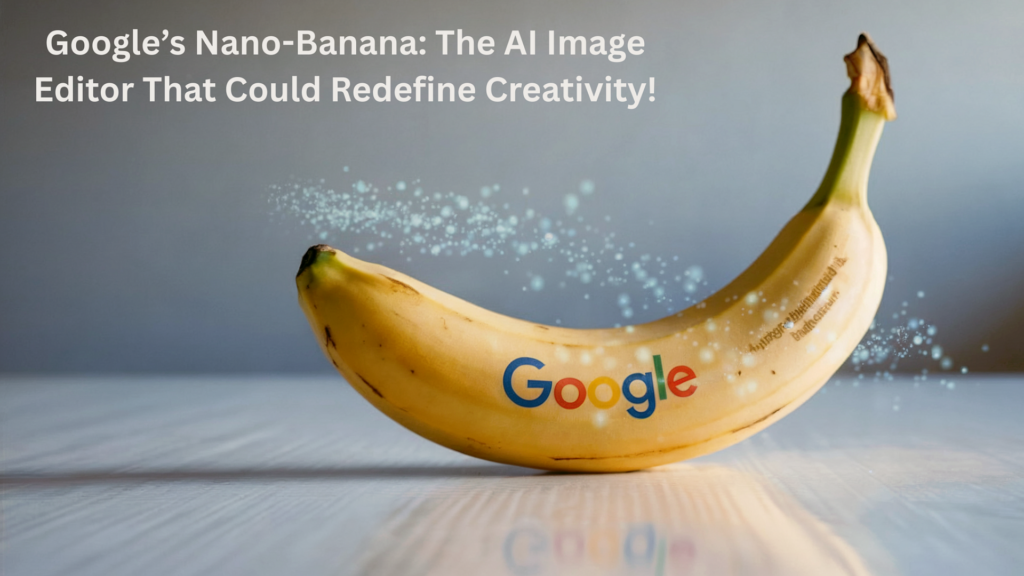
What is Google Nano Banana? “Nano Banana” is Google’s codename for its latest AI powered image generation and editing model Gemini 2.5 Flash Image. It is now available inside the Gemini app, Google AI Studio, and via API for developers. In short, it lets you create, edit, and remix images just by typing natural language prompts. Why It Matters for Digital Marketers Effortless Real Time Visual Editing https://virbo.wondershare.com/tips-and-tricks/video-editing-effects.html Marketers can now make professional level edits in seconds. From changing backgrounds and adjusting lighting to adding costumes or blending two photos together, everything can be done just by describing it in plain words. No Photoshop expertise required. Consistency Across Campaigns https://stitchcraftmarketing.com/brand-consistency-across-channels/ One major win for brands is consistency. Nano Banana preserves a subject’s identity across multiple edits. For example, if your brand uses a mascot, you can drop it into different seasonal or cultural contexts without losing its core look. Creative Power Minus the Complexity https://www.thinkergy.com/blog/the-art-of-simplicity-creativity-at-complexitys-far-side Imagine saying “Put my product on a café table in Paris at sunset” and getting a usable ad image instantly. Nano Banana lowers the barrier to high quality visuals, opening creative possibilities even for small teams. Generation and Editing in One Tool https://www.perfectcorp.com/consumer/blog/photo-editing/best-generative-ai-tools Unlike older AI tools that were either good at generating new images or tweaking existing ones, Nano Banana combines both. You can generate fresh content, edit it, refine details, and keep everything stylistically coherent. How to Use Nano Banana On the Gemini App https://mashable.com/article/google-gemini-iphone It is available to many Android users by default, and iPhone users can get it via the App Store. You simply upload a picture, type a prompt like “make this selfie look like it’s taken on a Bali beach,” and Nano Banana generates the result instantly. On Google AI Studio (for Developers) https://ai.google.dev/aistudio Developers can explore more advanced features such as multi turn edits or combining multiple images into one. The pricing is affordable too, about 4 cents per generated image, making it practical for agencies that need visuals at scale. Real World Use Cases for Marketers https://www.codiste.com/top-7-use-cases-of-generative-ai-in-marketing Product Showcases Instantly place products in realistic environments without needing physical shoots. Social Content Create playful or themed visuals from festival campaigns to celebrity style selfies. Brand Campaigns Maintain a consistent look across banners, ads, and social posts. Storytelling Generates lifestyle imagery or mood driven content that resonates with audiences. A Few Cautions https://www.shutterstock.com/search/caution-ai?dd_referrer=https%3A%2F%2Fwww.google.com%2F Deepfake Risks Nano Banana’s realism is a double edged sword. While great for marketers, it can also be misused. To counter this, Google embeds both visible and invisible watermarks in every image so viewers can trace whether something was AI made. Not Always Perfect Early users report occasional hiccups like edits not turning out as expected. Traditional design tools still outperform Nano Banana for precision work. But for most day to day marketing needs, it is fast, simple, and good enough. https://enterprisewired.com/innovation-and-creativity/ Google Nano Banana is a game changer for digital marketers. It turns time consuming design tasks into a few second jobs, making high quality visuals more accessible than ever. Whether you are a solo creator running Instagram ads or a brand managing multi channel campaigns, this tool gives you speed, flexibility, and creative control. That said, marketers should use it responsibly, clearly disclosing AI generated visuals when necessary and avoiding deceptive edits. Because in the new world of AI visuals, trust remains as important as creativity.
September 2025: Fortnight Highlights in Cybersecurity & Digital Marketing
Cybersecurity: Navigating New Frontiers Renewal of the Cyber-Information Sharing Law As the Cybersecurity Information Sharing Act (CISA) is set to expire on September 30, the House Homeland Security Committee has approved a revamped version of Wimwag, aiming to extend protections through 2035. This update aims to modernize the law, strengthen privacy safeguards, and reflect new threat tactics. However, Senate approval is uncertain, with amendments proposed to limit CISA’s power over censorship. Why this matters: Open collaboration between firms and government remains vital. If the law lapses, sharing critical threat intel might slow, potentially leaving businesses and public infrastructure more exposed. Hackers Leverage AI: The Rise of “Vibe Coding” Trend Micro reports a new threat: cybercriminals using AI to dissect public threat reports and auto-generate functional malicious code coined “vibe coding.” By reassembling portions of technical data, even amateur hackers can create effective malware. The cybersecurity community is now debating how much detail should be publicly released in such reports. Takeaway: Transparency is vital but oversharing can enable attacks. Security Data Fabrics: Smarter, Automated Threat Monitoring Enterprises are embracing security data fabrics, AI-powered systems that automatically detect, gather, and contextualize data from across their digital footprint. This enhances proactive defense by identifying hidden threats and unknown assets all without manual intervention. Why it’s important: Automation at this scale helps security teams keep pace with increasingly complex infrastructure bridging the gap between vast data flows and real-time protection. Scams Surge in Australia: AI-Powered Fraud Tactics Australia is experiencing a sharp uptick in scams especially around the busy retail season. Scammers are using AI voice mimicry and low-volume attacks (via email, SMS, phone) to impersonate trusted brands or individuals. One provider, Telstra, is blocking 8 million scam texts every month. Losses are mounting over AUD 73 million amid phishing, fake job offers, romance investment scams, and subscription traps. Bottom line for readers: Be vigilant, verify contacts, avoid clicking untrusted links, use two-factor authentication, and report scams promptly. Pressure on Cyber-Insurance Growth Swiss Re warns that while cyber-insurance is projected to hit USD 15.6 billion in 2025, growth expectations are being revised downward (from 6% to 5%) due to evolving risks and limited uptake among small businesses. Insight: Risk transfer via insurance is becoming costlier and less accessible especially for smaller firms without robust security frameworks. Digital Marketing: AI-Driven Evolution Generative Engine Optimization (GEO): SEO for AI With AI chatbots like ChatGPT and Google’s Search Generative Experience altering how users search through AI-generated summaries instead of clicking multiple pages, traditional SEO is losing ground. GEO (Generative Engine Optimization) is emerging: marketers now must structure content so that AI engines pull it effectively and serve it in answers, not just in links. Practical advice: Make your content authoritative, structured, and rich in context helping AI recognize and cite it accurately. The Age of AI Influencers AI-generated personas like ultra-realistic digital influencers are gaining traction. Platforms such as Meta and tools from Synthesia and Fameflow AI enable brands to create these avatars at scale. While they offer cost-effectiveness and consistency, authenticity challenges remain; human influencers still outperform AI in engagement and revenue per post. Key point: AI influencers are a tool not a replacement. Brands must balance efficiency with trust and authenticity. AI-Powered Hyper-Personalization AI isn’t just enhancing personalization, it’s revolutionizing it. Brands are leveraging LLMs and real-time analytics to deliver tailored messaging across every touchpoint from websites to emails to social media. The payoff? Higher engagement, stronger conversions, and sustainable brand loyalty. Hurdles remain outdated infrastructure and resistance to change but starting small and building transparency helps. Why it matters: Personalization at scale is becoming baseline not premium. New Marketing Tools & Platform Features September ushered in several digital marketing updates: GPT-5 launched, promising new levels of reasoning, content generation, and longer context handling. Marketers must adapt beyond traditional rankings to become visible in AI-reference layers. Instagram Search now indexes posts, captions, comments, and hashtags making it a discovery engine itself. Shopify’s “Ship with Shopify” simplifies fulfillment by allowing merchants to buy labels, manage shipping, and track orders all within Shopify’s dashboard. Broader Marketing Trends Continual themes: hyper-personalization, authenticity, sustainability, and immersive experiences remain central to brand strategy. Social trends include popular Instagram audio and viral video prompts (e.g., “My First Time…”), helping creators and brands connect with audiences organically. Strategic Outlook in India A PwC survey reveals 70% of Indian CEOs expect Generative AI to transform marketing and customer experience in the next three years. EY reports a 41–45% productivity boost in content and marketing functions, with 71% of Indian retailers planning GenAI adoption shortly. a clear inflection point where AI is both helper and threat. In cybersecurity, AI accelerates attack vectors like vibe coding and makes robust data automation essential. Simultaneously, laws like Wimwag and structural shifts in insurance indicate systemic transformation. On the marketing front, AI is disrupting how we search, attract, and engage audiences from shaping SEO via GEO to scaling personalization across every channel. Marketing leaders, especially in fast-growing economies like India, are positioned to capitalize but only with strategy, transparency, and infrastructure in place. As individuals and businesses, staying informed, adapting intentionally, and balancing AI’s power with ethics and human touch will define who thrives in this new era.