
Digital Marketing Roadmap 2026: Skills, Salary & Career Plan

AI is reshaping digital marketing. The average marketer gets replaced. The skilled, AI-powered marketer thrives. Here is how to become extraordinary. “Remember when people said the internet was just a fad in the 90s? The same conversation is happening about marketing and AI today. History proved the skeptics wrong then. It will prove them wrong again.” Every scroll, every search, and every click is a competition. Brands are spending billions to capture one second of your attention. The people who know how to engineer that moment are earning ₹20L+ salaries while working from a laptop anywhere in the world. This guide covers the skills that matter in 2026, real salary data at every stage, the truth about AI, and a step-by-step plan to go from zero to job-ready in 6 months. Why Digital Marketing is Exploding in 2026 This is a right-now opportunity. Three structural forces are creating demand that far outpaces the supply of skilled marketers. The Digital-First Economy Today’s businesses are born digital. Your local cloud kitchen competes with global brands for the same Google search result. Every rupee spent online requires a strategist. Three Forces Driving Demand E-commerce as default behavior. Online buying has become the default reflex for consumers. Every transaction requires targeting, retargeting, and ongoing optimization. Social media as the new primetime TV. Meta ad budgets now rival what brands spent on television a decade ago. Skilled campaign managers are in constant demand. The small business awakening. Tutors, dentists, and café owners are now running Google Ads to find local customers. Every single one needs a marketer. REAL STORY — CAREER SWITCH Meet Rahul. He was stuck in a data-entry job, going nowhere. For 6 months, he studied SEO and Meta Ads after work, 1 hour every evening. His only tools were a laptop and a roadmap. Today, he’s a performance marketer for a lifestyle brand, earning 3× his previous salary and working fully remote. He didn’t have a marketing degree. He had results. The core reality: companies have products, customers, and money. What they lack is the bridge between the two. You are that bridge. Digital Marketing Salaries in 2026 Digital marketing rewards performance over pedigree. Your results are more significant than your degree, and you can demonstrate real results as early as Month 1. LEVEL INDIA / YEAR GLOBAL / YEAR STAGE Fresher (0–1 Year) ₹3L – ₹5L $45,000 – $60,000 Entry Point Mid-Level (2–5 Years) ₹6L – ₹12L $70,000 – $110,000 Growth Zone AI / Performance Specialist ₹16L+ $130,000+ Top Tier Freelancer (any level) ₹15K–₹1L/month $500–$5K/client Freedom Path Income Beyond Your Salary Freelancing: Most mid-level marketers carry 3–4 client accounts on the side, earning ₹10,000–₹50,000 per client per month. That’s ₹40K–₹1.6L in additional monthly income. Performance-based pay: Spend ₹1L on ads, generate ₹5L in revenue, and many companies pay you a percentage of that profit. Your earning ceiling is your skill level, not your job title. Will AI Take Your Marketing Job? No. But marketers who use AI will replace marketers who don’t. This is not a drill. 68% of marketing executives confirm a positive ROI from their AI investment. AI has not caused job losses; it has created a new class of high-earning ‘AI-leveraged’ marketers who do the work of five people in the time it used to take one. ❌ WHAT AI CANNOT DO • Understand why a customer feels hesitant • Read a brand’s cultural ‘vibe.’ • Build genuine human trust • Make strategic bets under uncertainty • Craft stories that emotionally move people ✓ AI AS YOUR WEAPON ✓ Generate 50 ad headlines in 5 seconds ✓ Spot behavior patterns across thousands ✓ Automate personalized email sequences ✓ A/B test creatives at superhuman speed ✓ Produce first drafts in minutes A marketer who uses ChatGPT for brainstorming, Canva AI for design, and Google’s automation for optimization, while applying human judgment and empathy to the strategy, is worth 10 times more than a marketer who does everything manually. Which marketing path is right for you? The best marketers aren’t generalists who know a little of everything; they’re specialists who understand the full picture. Please identify your area of expertise below and explore it in depth. A “I love writing, storytelling, and being creative.” You light up when you craft a narrative that resonates. You care about voice, emotion, and connection. → Your Path: Content Marketing / Copywriting B “I like puzzles, numbers, and seeing quick results.” You want to spend money and watch sales happen in real time. ROAS makes you feel alive. → Your Path: Performance Marketing (Meta & Google Ads) C “I like organising things and figuring out how Google works.” You want to crack the algorithm, build authority, and rank #1 without spending a rupee on ads. → Your Path: SEO Specialist D “I love talking to people and staying on top of trends.” You know what’s going viral before everyone else. You’re the first to spot the next big format. → Your Path: Social Media Management Your Step-by-Step Digital Marketing Roadmap This isn’t a list of courses to binge-watch. It’s a sequence; each phase builds on the last, ending with a portfolio that gets you hired or your first freelance clients. PHASE 01 · MONTH 1–2 Foundations SKILLS TO LEARN → Marketing funnels & customer journey mapping → Consumer psychology & copywriting fundamentals → SEO basics: keywords, on-page, and technical → Set up and explore Google Search Console → Build or optimize a basic landing page TOOLS Google Search Console · Ubersuggest · WordPress / Webflow ✦ Outcome: You can optimize a website and understand why people buy. PHASE 02 · MONTH 3–4 Performance Marketing SKILLS TO LEARN → Campaign structure, objectives & budget allocation → Audience targeting, lookalikes & re-targeting logic → A/B testing: creatives, copy, and landing pages → Run live campaigns on Meta Ads Manager & Google Ads → Master the metrics: CTR, CPC, CPA, ROAS TOOLS Meta Ads Manager, Google Ads, Google Tag Manager ✦ Outcome: You can run
Cybersecurity Roadmap 2026: Skills, CPT Updates & Expert Guide
Have you ever wondered what happens when you swipe your credit card or send a private message? Well, every second, there is an invisible war going on. Hackers are trying to break in, and a “Digital Shield” is working around the clock to protect our world. The catch? The Digital Shield is getting weaker. Not because our technology isn’t working, but because we don’t have enough people with the right skills to protect it. If you’re looking for a career that is future-proof, fun, and fulfilling, you’re in the right place. Let’s dive in and see what’s new and how you can get started. What’s New? The Latest CPT Updates If you’re in the tech industry, you’ve probably heard of CPT (Cybersecurity Professional Training). It’s like the “driver’s license” of the digital world. The criteria for these certifications have recently been updated. Why? As hackers become increasingly advanced with AI, we need to update our training to keep up. What’s Changed? Real-World Application: It’s no longer about memorizing terms. Now, you have to apply what you know by stopping attacks in the simulated labs. AI: You’ll learn how to use AI to predict attacks before they happen. Cloud Security: Because we store so much information in the cloud, protecting it is now a top priority. Highlights from the National Cybersecurity Conference Recently, there was a national conference on cybersecurity. The brightest minds in the tech industry came together. The atmosphere was electric, but the message was clear: we are all connected, and we are all at risk. The key message wasn’t about a new software solution; it was about resilience. Cybersecurity isn’t just about protecting against attacks anymore; it’s about bouncing back quickly when attacks do occur. Think about it this way: a “secure” person locks their house, but a “resilient” person locks their house and has a pump ready and a plan B. That’s how we think about online security today. The Government’s Big Push: Amit Shah’s Vision Home Minister Amit Shah has said that our country should be a world leader in cybersecurity. He said that cybersecurity is now a national security issue. “Cybercrime poses a major threat to national security. Our country’s data is being stolen and sold to hostile forces, and we are making continuous efforts to stop it.” It’s not just about Instagram passwords anymore; it’s about securing power grids, water, and banking systems. The “Cyber-First” Initiative:Cyber-Forensics: Training police to track digital criminals. Public Awareness: Making sure that even people in small villages don’t click suspicious links. Local Tech: Developing our own security software to minimize our reliance on other countries Industry Demand: Where Do You Fit In? Every company, from local apps to big banks, is crying out for security professionals. What Companies Want: Proactive Defense: People who go out and find vulnerabilities before hackers do. The Skills Gap: Thousands of jobs are available, but most candidates lack the right skills. The good news? This is a massive opportunity, and salaries for these jobs are skyrocketing. Your Step-by-Step Roadmap No PhD required. Here’s how to go from beginner to “Digital Defender”: Step 1: Learn the Basics. Learn about networking and operating systems such as Linux and Windows. Step 2: Get Certified. The latest CPT courses mean you have the skills and knowledge employers are looking for. Step 3: Build a Home Lab. Create a virtual machine where you can test and repair virtual attacks safely. Step 4: Specialize. Decide on a career track: “Penetration Tester” (Ethical Hacker) or “Security Architect” (Defense Designer) and dive deep. Apply Knowledge and Take Action We’ve distilled the latest CPT updates, conference learnings, and the government roadmap into one ultimate guide with free resources and sources. Download Your Career Roadmap: Fill out the form below to get your complete cybersecurity career guide. Frequently Asked Questions Q: Will AI take away cybersecurity jobs? A: It’s actually doing the opposite! While AI can automate boring tasks, it also makes hackers more dangerous. This creates a massive demand for human experts to manage AI tools. Think of AI as the “autopilot” on a plane; it helps, but you still need a pilot in the cockpit to make the big decisions when things get bumpy. Q: Is it too late to switch careers? A: Never. Many successful cybersecurity professionals began their careers in other industries. Q: Are government initiatives only for techies? A: No. There are opportunities in policy, law, and education, too. Conclusion The online world is growing every day, and so are the threats and opportunities. There is a worldwide shortage of cybersecurity professionals. The “skills gap” is not a problem; it’s an opportunity. By using this roadmap, staying updated on the latest CPT developments, and familiarizing yourself with the national vision, you’re not just getting a job; you’re part of a mission. Are you ready to hold the shield?
India AI Impact Summit 2026: The Global AI Agenda

Have you ever wondered who gets to set the rules for the “intelligent machines” of the future? For many years, the world’s greatest questions about artificial intelligence were answered in Silicon Valley, London, or Brussels. But in February 2026, the spotlight shifts to New Delhi. For five days, from February 16 to 20, 2026, the historic Bharat Mandapam will serve as the global hub for AI governance, innovation, and impact at the India AI Impact Summit 2026. This is no ordinary tech conference with keynote speeches and corporate networking. This is where the future rules of AI are being written, not just for profit, but for people and the planet. If you are interested in how AI will impact your work, education, healthcare, agriculture, or even climate change, this summit is for you. Let’s get into the details. What Is the India AI Impact Summit 2026? The India AI Impact Summit 2026 is the first major global AI conference in the Global South with a new narrative: Not just AI safety.Not just AI innovation.But AI has an impact. 📍 When: February 16-20, 2026 📍 Where: Bharat Mandapam, New Delhi 📍 Core Theme: “Sarvajan Hitaya, Sarvajan Sukhaya”(Welfare for All, Happiness for All) Unlike previous global AI summits that were mainly about risk management and regulation, India’s AI summit asks a more pragmatic question: How can AI make a difference in people’s lives? From small farmers to entrepreneurs, from students to scientists, the focus is on inclusivity. The Master Framework: 3 Sutras and 7 Chakras The Indian government has structured the summit around notions that have been developed from their philosophical foundations, a combination of ancient knowledge and modern technology. The Three Sutras People AI must be people-centric, with respect to human dignity, culture, and ethics.This includes reducing bias, being transparent, and making AI systems accountable. Planet AI development must be planet-friendly.Since massive data centers are massive energy consumers globally, “Green AI” focuses on reducing carbon emissions and improving energy efficiency. Progress AI must trigger economic progress, but inclusive progress, not only for a few corporations or countries. These three tenets of AI development set the ethics of AI development. The Seven Chakras (Action Areas) These are the implementation areas where policies, partnerships, and commitments are discussed and decided. Human Capital Upskilling and reskilling the Indian workforce for AI-driven jobs on a massive scale. Inclusion for Social Empowerment Ensuring that women, rural communities, farmers, and persons with disabilities benefit from AI development. Safe & Trusted AI Developing mechanisms to reduce bias, enhance explainability, and improve transparency. Science Using AI to unlock scientific breakthroughs in climate science, drug discovery, genomics, and public health. Resilience, Innovation & Efficiency Developing energy-efficient computing infrastructure and AI ecosystems. Democratizing AI Resources Enabling startups and scientists, and not just tech companies, to access compute resources and data. AI for Economic Development & Social Good Applying AI in healthcare diagnosis, agriculture, education, and governance. This structure allows the discussion to move from theory to practice. Who’s Attending? This summit is attended by the world’s power centers. 🇮🇳 Government Leadership The Prime Minister of India, Narendra Modi, is launching the summit along with several heads of state. 🌍 Global Tech Leaders Sundar Pichai (CEO, Google) Sam Altman (CEO, OpenAI) Jensen Huang (CEO, NVIDIA) 🧠 AI Researchers Yoshua Bengio Yann LeCun This is a level of engagement that is more like an “AI Olympics.” Success Story Spotlight: AI by HER One of the most interesting projects under the aegis of this summit is AI by HER, which is a challenge that highlights women-led AI startups. The winning solution was based on satellite imagery and machine learning to predict water shortages weeks in advance. However, the most interesting part was not just the prediction. It was the ability to translate complex satellite imagery into simple voice messages in local languages that empowered rural women farmers to protect their crops. This is an important proof of something important: The impact of AI is not about complexity.It is about accessibility. The India AI Impact Expo The summit also has a massive expo with 300+ exhibitors. What to expect: AI that translates local dialects in real-time Diagnostic AI that helps doctors in rural areas Climate modeling tools Agricultural intelligence platforms This is where policy meets prototype. Innovation Challenges To encourage grassroots innovation, the summit has major competitions: AI for ALL AI by HER YUVAi (for youth aged 13-21) The prize pool can go up to ₹2.5 crores, encouraging students, startups, and researchers to develop scalable AI solutions. All winners will be recorded in an official AI Innovation Compendium. Why India Is Hosting This Now India is currently implementing the IndiaAI Mission, which has been supported by ₹10,370 crores of funding. With: One of the largest developer bases in the world A rapidly developing AI startup ecosystem An ever-expanding digital infrastructure India is now setting itself up as a leader in the development of responsible and inclusive AI, particularly for the Global South. Why This Summit Matters to You If you are: A student getting ready for an AI-enabled job market A startup founder working on AI solutions A policymaker thinking about regulation Or just a curious citizen The frameworks and commitments that will be formed here will have an impact on: AI governance frameworks Investment patterns Education policies Startup ecosystems Global collaboration frameworks This is not a local event.It is a global signal. Final Thoughts The India AI Impact Summit 2026 is a change in power and perspective. The AI dialogue is no longer limited to Western tech capitals.It is expanding to include diverse realities, new economies, and inclusive growth. Technology must not only be smart.It must be responsible.It should be sustainable.And most importantly, it should be for humanity. The decisions that will be made in New Delhi this week could shape the future of AI over the next decade. The real question now is: What problem would you like AI to solve for India? Let us know because
How to Register for the India AI Impact Summit 2026
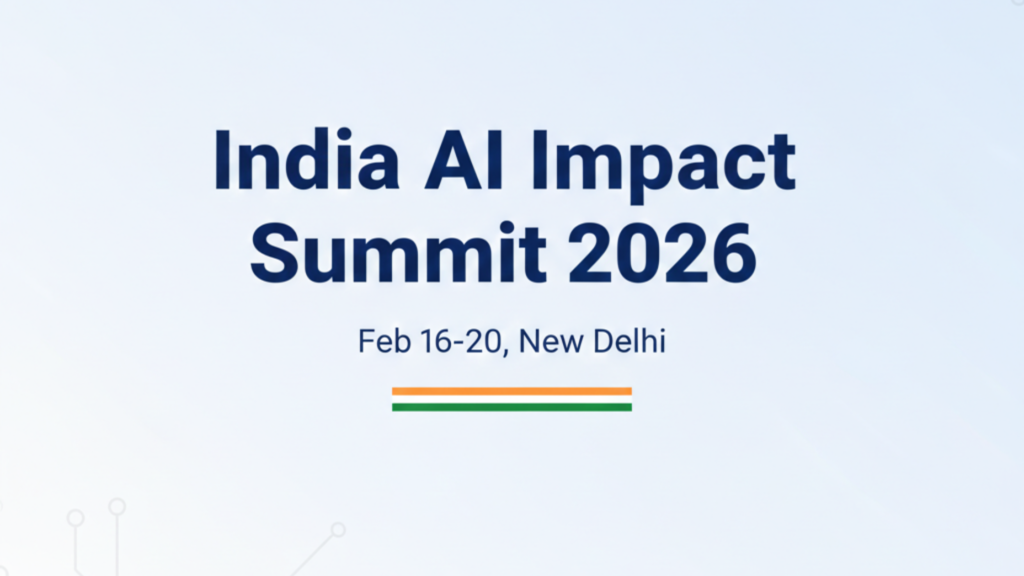
If you are interested in attending the India AI Impact Summit 2026, the registration process is designed to accommodate different categories of participants, from students to policymakers. Step 1: Visit the Official Summit Portal Go to the official India AI Impact Summit website under the IndiaAI Mission platform. Registration is handled digitally. Step 2: Choose Your Category You will be asked to register under one of the following categories: Student Startup Founder Industry Professional Researcher Government Representative Media Delegate Each category may have slightly different access privileges. Step 3: Select Access Type There are generally two participation tracks: 🔹 Expo & General Sessions Pass Open to registered visitors, including students and professionals. This pass allows access to: India AI Impact Expo Public keynote sessions Innovation showcases Networking areas 🔹 High-Level Roundtables & Closed-Door Sessions These are typically invitation-based and reserved for: Government officials Global AI leaders Policy experts Institutional representatives Step 4: Submit Required Details Applicants must provide: Basic personal information Organization or institutional affiliation Area of interest (AI governance, startups, research, etc.) Identification proof for security clearance Step 5: Confirmation & Entry Pass Once the application is reviewed: A confirmation email is sent A digital entry badge or QR-based pass is issued Participants must carry ID verification on-site at Bharat Mandapam Early registration is strongly recommended due to high international participation. Watch the Full Video Guide To better understand the registration process and key highlights of the summit, you can watch our detailed video explanation below: ▶️ YouTube: AI IMPACT SUMMIT DELHI📲 Instagram: AI Impact Summit 2026 The video covers the complete registration steps, participation categories, and important guidelines to help you apply smoothly.
The Rise of the Mineable Self as a Global Commodity
What if I told you that the most valuable resource in today’s digital economy isn’t oil, data centers, artificial intelligence, or rare earth minerals? It’s you. Not your job title. Not your degree. Not even your skills alone. Your identity, your story, your opinions, your emotions, your lifestyle, and your experiences have quietly become powerful economic assets. Welcome to the age of the “mineable self.” What Is the Mineable Self? Historically, mining referred to the extraction of oil, gold or minerals from the earth. Today, digital platforms are extracting something new: Personal stories Attention Data Emotions Online behavior This commodity is infinitely renewable. As long as humans exist, stories will exist. And in the digital economy, stories will have value. In this new market, everyone has a story, and every story can be mined. How Technology Made Humans into Commodities The technology platforms of Instagram, YouTube, Netflix and LinkedIn have completely changed the way value is created in the digital economy. In the past, production and visibility were in the hands of powerful gatekeepers. Large corporations dominated content creation, film studios dictated storytelling, and media conglomerates decided who got public attention. Access to audiences was limited and power rested in the hands of a few gatekeepers. Today, this has completely changed. Now, anyone with a smartphone and internet access can create content, build a personal brand and reach a global audience. This has given people unprecedented freedom and opportunities. People are no longer just consumers of content; they are producers, influencers and entrepreneurs in their own right. But this has also brought about a new reality. As technology platforms monetize engagement and attention, human identity itself becomes a commodity in the marketplace. Personal experiences become shareable stories, opinions drive engagement and even struggles get views and clicks. In this reality, life becomes content, identity becomes a brand, and human beings become marketable commodities in the attention economy of the digital world. The Attention Economy In the current digital age, attention equals money. Today, websites do not only compete for your purchasing power but also for your time. The more time you spend on a website, the more data you produce, and the more valuable you become to the system. The attention economy values engagement more than money. You are the one who creates your identity, and your identity is what drives the algorithms, and the algorithms drive the digital markets, and these digital markets drive profits. In the attention economy, you are both the consumer and the product. The Impact of AI Artificial intelligence has greatly fueled the process of converting human identity into a quantifiable economic value. AI algorithms are constantly analyzing what you are interested in, what you watch, what you buy, and how you interact with the internet. Every click, search, scroll, and pause is data that is fed into these algorithms. These algorithms use predictive analytics to analyze your interests, forecast your behavior, and tailor the content you see. In this manner, AI systems enhance the mechanisms of the attention economy by converting human behavior into valuable insights. However, AI also has a profound impact on content creation. Generative AI applications assist individuals in writing posts, editing videos, creating visuals, and automating communication. Storytelling has become quicker, more efficient, and more optimized for engagement. This has made it easier for people to create content while also making it more competitive. In this manner, we are now living in a digital world where identity is constantly being measured, optimized, and refined for performance. Human expression is no longer personal but data-driven. In the world of AI, identity is not only defined by who we are but also by how algorithms interpret and monetize our behavior. Is This Empowering or Exploitative? There are definite advantages: Democratization of media New job opportunities Rise of creators and influencers Personal branding as economic power However, there are also potential downsides: Loss of privacy Need to perform constantly Emotional exhaustion Use of personal life as a public product The distinction between living and branding is becoming increasingly blurred every day. The Big Question If the self has become the newest global commodity, more renewable than oil and more scalable than gold, then the big question is not whether this trend will continue. It will. The digital economy is already organized around identity, attention, and data as its new drivers. The big question is whether we will control our digital selves or whether our digital selves will be controlled by algorithms and markets. In a world of streaming media, social media, and artificial intelligence, the most valuable resource may not be technology but the human story that drives it. Conclusion We are on the threshold of a world in which identity is a resource, story is currency, and attention is profit. The digital economy has transformed the way value is created, with human experience, personal data, and online behavior at the heart of economic transactions. What we share, how we interact, and what we tell is now worth something in the market. The mineable self is the new commodity that is emerging. As technology advances, we are all part of a system in which identity is not only articulated but also monetized. The question that lies ahead is not how we can avoid this, but how we can navigate this reality. Frequently Asked Questions 1️⃣ What is the mineable self? The “mineable self” refers to the process by which digital platforms extract economic value from human identity, attention, personal data, emotions, and online behavior. In the digital economy, individuals themselves become a resource that can be analyzed, monetized, and optimized for profit. 2️⃣ How are humans becoming digital commodities? Humans become digital commodities when their personal stories, opinions, behaviors, and attention are turned into monetizable assets. Social media platforms and AI systems use this data to drive advertising, engagement, and digital markets, making individuals both consumers and products. 3️⃣ What is the attention economy? The attention economy is a
The Hidden Cyber Threat in India’s EdTech Boom

India’s EdTech sector has witnessed unprecedented growth in recent years. Fueled by digital adoption, government initiatives like Digital India, and a rising appetite for online learning, EdTech startups are now serving millions of students across the country. From K-12 learning platforms to professional upskilling courses, these platforms handle vast amounts of sensitive data, including student names, dates of birth, contact details, academic records, financial transactions, and even behavioral analytics. However, in the race to scale and capture market share, many EdTech companies overlook a critical aspect: cybersecurity. This gap is creating hidden vulnerabilities that threaten not only individual privacy but also the trust and sustainability of the EdTech ecosystem. What Is the Cyber Threat? EdTech platforms are treasure troves of personal data. When security measures are weak, several risks emerge: Data Leaks and Breaches: In 2024, an Indian EdTech startup inadvertently exposed over 2 million student records due to misconfigured cloud storage. Data leaks can include not only personal information but also academic performance, psychological assessments, and payment histories—information that can be misused for identity theft, financial fraud, or even social engineering attacks. Weak Authentication Systems: Many platforms still rely on single-factor password protection without multi-factor authentication (MFA), leaving accounts vulnerable to brute-force attacks. Poor password hygiene among students and educators increases susceptibility to hacking. Limited Preventive Controls: Small and mid-sized EdTech startups often lack dedicated cybersecurity teams. Encryption of sensitive data, regular vulnerability scanning, or real-time monitoring is often absent. Incident response plans, if they exist, are rarely tested or updated. Consequences: Regulatory penalties for non-compliance with laws like the Digital Personal Data Protection Act (DPDPA). Loss of trust among parents, students, and educators. Long-term reputational damage that can stall funding and growth. Why Cybersecurity Should Be a Top Priority The EdTech sector’s rapid expansion has made it a prime target for cybercriminals. Sensitive student data is valuable for identity theft, phishing campaigns, and fraudulent financial activities. Beyond regulatory compliance, strong cybersecurity is essential for business continuity and market credibility. Regulatory Compliance: India’s DPDPA mandates secure handling of personal data and requires companies to notify authorities and affected individuals in case of breaches. Non-compliance can result in fines reaching ₹5 crore or more, in addition to reputational damage. Trust and Brand Reputation: Parents and students entrust platforms with sensitive data. A single breach can irreversibly damage brand credibility. Competitors with better cybersecurity frameworks gain a distinct market advantage. Business Continuity: Cyberattacks can disrupt learning operations, affect millions of students, and stall revenue streams. Recovery from a breach is costly in both time and resources, often leading to reduced investor confidence. How EdTechs Can Strengthen Security EdTech founders must embed cybersecurity into their roadmap from day one. Practical, actionable steps include: Data Encryption and Secure Storage: Encrypt sensitive data both at rest and in transit. Use secure cloud configurations and perform regular audits to prevent accidental exposure. Strong Authentication Mechanisms: Implement multi-factor authentication (MFA) for all user and admin accounts. Enforce periodic password changes and educate users about secure password practices. Regular Security Audits: Conduct penetration testing, vulnerability assessments, and code reviews. Ensure third-party tools or plugins are secure and up-to-date. Employee Training and Awareness: Regularly train staff, educators, and admin teams to recognize phishing attacks, social engineering, and unsafe data handling practices. Make cybersecurity part of the organizational culture rather than a one-time compliance task. Incident Response and Recovery Plans: Develop a clear plan for data breaches that includes containment, remediation, and stakeholder communication. Test these plans periodically to ensure rapid response during real incidents. Real-World Context: India’s EdTech Cyber Challenges India’s EdTech boom isn’t just a story of rapid growth it’s a story of growing cyber vulnerabilities: In 2023, a regional EdTech platform’s database was sold on the dark web, exposing thousands of students’ personal information. Many startups store payment data on unsecured servers or legacy systems without encryption. Cybercriminals are increasingly exploiting weak APIs, cloud misconfigurations, and unpatched software to gain access. These incidents highlight the urgent need for proactive cybersecurity measures rather than reactive responses. India’s EdTech revolution offers transformative learning opportunities, but it also introduces hidden cyber risks. Founders and leaders must recognize that cybersecurity is not optional; it is integral to sustainable growth, regulatory compliance, and trust-building. By integrating robust security practices encryption, authentication, audits, awareness training, and incident response EdTech startups can safeguard student data, protect their reputation, and ensure long-term success in a highly competitive market. Cybersecurity is not just a technical requirement; it’s a strategic business imperative for every EdTech founder in India.
Deepfake Scams Are the New Phishing And Here’s How to Stay Safe

The rise of AI has brought incredible opportunities, but it has also introduced a new breed of cyber threats. Among them, deepfake scams are rapidly emerging as the modern equivalent of phishing, highly sophisticated, deceptive, and increasingly hard to detect. In India, these attacks are no longer hypothetical. They have already caused multi-crore financial losses by exploiting trust and technology. For professionals and businesses alike, awareness and verification have become critical defense mechanisms. Understanding Deepfake Scams Deepfakes use AI to create realistic simulations of human voices, faces, and videos. When weaponized for fraud, they mimic executives, clients, or public figures to manipulate victims into taking actions they normally wouldn’t. Key Techniques AI Voice Cloning Using a few minutes of recorded audio, attackers can reproduce a person’s voice with high fidelity. This has been used in fake executive calls demanding urgent wire transfers. Face Swap Videos Fraudsters create videos of company leaders or celebrities instructing employees or investors to share sensitive information or make payments. Hybrid Attacks Deepfakes are often combined with traditional phishing emails, text messages, or social engineering tactics to increase credibility. Real-World Impact in India Case Example 1: ₹60 Crore CEO Scam In 2023, an Indian company fell victim to an AI voice cloning scam. Attackers impersonated the CEO and instructed the finance team to transfer ₹60 crore to an offshore account. The scam relied entirely on voice authenticity; no emails or written instructions were involved. Case Example 2: Deepfake Video Fraud in Startup Investment A Bangalore-based startup reported that a deepfake video of an investor was circulated, convincing some team members to disclose sensitive pitch deck details. The fraudsters leveraged the trust and visual realism of the video to bypass standard verification procedures. Implications for Professionals Financial Risk: Wire transfers, fake invoices, and fraudulent payments. Data Exposure: Leaked corporate secrets, intellectual property, or sensitive client information. Reputational Damage: Trust in leadership or brand integrity is compromised. These examples show that traditional security measures are no longer sufficient. Deepfake scams exploit the human instinct to trust familiar voices and faces. How: Awareness and Verification Tactics To stay safe, professionals must adopt a multi-layered defense strategy that combines human vigilance with technical safeguards. Verify the Source Never act on urgent financial or sensitive requests solely based on a voice or video call. Always verify through a secondary channel e.g., direct call to a known number, email confirmation, or secure messaging app. Educate and Train Teams Conduct workshops and simulations to teach employees how deepfake scams work. Encourage skepticism for unusual instructions, even if they appear from trusted sources. Leverage Technology Solutions Use AI-based voice and video authentication tools to detect synthetic content. Integrate anomaly detection in financial transactions and sensitive communications. Secure Communication Channels Implement encrypted messaging apps for sensitive instructions. Avoid sharing personal or corporate data over unsecured voice or video channels. Implement Internal Checks For large financial transactions, adopt multi-level approvals that include both human verification and digital authentication. Standardize verification protocols for all high-risk requests, regardless of urgency or sender identity. Stay Informed Regularly follow cybersecurity updates and deepfake threat advisories. Subscribe to alerts from Indian CERT-In (Computer Emergency Response Team) and trusted cybersecurity sources. Deepfake scams are evolving fast, combining psychological manipulation and AI technology to bypass traditional security measures. Professionals and businesses in India must recognize that trust alone is no longer enough verification, awareness, and layered defense are essential. The new phishing isn’t just a suspicious email it could be a voice on the phone or a video on your screen. Adopt vigilance, verify rigorously, and train teams to treat digital content with scrutiny. Only then can organizations stay ahead of AI-driven fraud.
India’s DPDPA Compliance Deadline Is Almost Here, Is Your Business Ready?

The Digital Personal Data Protection Act (DPDPA) is set to transform how Indian businesses collect, process, and manage personal data. With compliance deadlines approaching, organizations from startups to training institutions must act now to avoid penalties and reputational damage. This guide breaks down what the DPDPA is, why it matters, and how businesses can prepare for compliance in a simple, actionable way. What: Understanding the DPDPA Timeline The DPDPA, India’s landmark data protection legislation, governs the collection, processing, storage, and sharing of personal data. Its objective is to protect individual privacy while enabling responsible data-driven innovation. Key Timeline Highlights Enactment: 2023 (law passed by Parliament) Compliance Deadline: Mid-2025 (exact date varies based on sector and organization size) Phased Implementation: Startups and MSMEs get limited grace periods for internal processes. Large enterprises are expected to be fully compliant immediately. Core Requirements Obtain explicit consent for personal data collection. Ensure data localization where applicable. Implement robust data protection policies and security measures. Facilitate user rights: access, correction, and deletion of personal data. Implications for Startups and Training Institutions 1. Startups High-risk area: Startups frequently rely on digital tools for user acquisition and analytics. Non-compliance can lead to fines and operational setbacks. Practical impact: Requires review of data collection forms, app analytics tools, CRM systems, and marketing automation processes. Competitive advantage: Compliance signals trustworthiness, crucial for investor and customer confidence. 2. Training Institutions Data scope: Student records, registration forms, assessments, and online course interactions all contain personal data. Mandatory measures: Secure storage, limited access, and clearly communicated privacy policies. Operational impact: Staff training is required to ensure all faculty and administrators understand data handling obligations. A Compliance Readiness Checklist 1. Map Your Data Identify what personal data is collected, stored, and shared. Classify sensitive versus non-sensitive data. Track where it is stored on-premise or in cloud services. 2. Review Consent Mechanisms Ensure all forms, apps, and websites explicitly request user consent. Provide clear options for users to withdraw consent easily. 3. Update Privacy Policies Align all public-facing policies with DPDPA guidelines. Include information on data usage, retention, sharing, and rights. 4. Implement Security Measures Encrypt sensitive data in storage and transit. Limit access to authorized personnel. Conduct regular security audits. 5. Train Staff and Stakeholders Conduct workshops for employees handling personal data. Ensure awareness about user rights, reporting breaches, and internal protocols. 6. Set Up Compliance Governance Appoint a Data Protection Officer (DPO) if required. Maintain records of processing activities and incident reports. Establish a process for responding to data access or deletion requests. 7. Continuous Monitoring Compliance is not a one-time effort. Regularly review systems, third-party vendors, and internal processes for alignment with DPDPA updates. India’s DPDPA represents a major step toward responsible data management. Businesses that act proactively will not only avoid legal penalties but also gain customer trust and operational resilience. For startups and training institutions, compliance is achievable if approached systematically: map your data, strengthen consent and privacy policies, secure systems, train staff, and monitor continuously.
CEH (Certified Ethical Hacker)
In today’s digital era, cyber threats are everywhere. From personal accounts to large corporate databases, no system is completely safe. This is where cybersecurity professionals step in. Among the top certifications in cybersecurity is CEH (Certified Ethical Hacker), a globally recognized credential that equips individuals to detect and prevent cyber attacks. This blog will explain what CEH is, why it matters, how it works, and how you can build a career with it all in simple, easy-to-understand language. What is CEH? CEH (Certified Ethical Hacker) is a professional certification offered by the EC-Council, one of the world’s leading cybersecurity organizations. It teaches you to think like a hacker but legally and ethically. Instead of breaking systems for personal gain, you learn to identify vulnerabilities and fix them before malicious hackers exploit them. Think of CEH as a guide to understanding the hacker’s mindset, tools, and techniques, but using that knowledge for defensive purposes. Key Skills You Learn in CEH: Network Scanning and Vulnerability Assessment – How to find weaknesses in systems. System Hacking Techniques – Understand how hackers access computers and servers. Web Application Security – Learn how to protect websites from cyber attacks. Malware Analysis – Detects and prevents harmful software like viruses and ransomware. Cryptography Basics – Understand encryption techniques to secure data. Cloud and Wireless Network Security – Learn about modern technologies and their security risks. Why CEH is Important The world is going digital, and with it, the number of cyber attacks is rising rapidly. Here’s why CEH certification is important: High Demand for Cybersecurity Professionals – Every organization, from startups to large enterprises, needs experts to prevent cyber attacks. Career Growth – CEH opens doors to roles like Ethical Hacker, Penetration Tester, Security Analyst, and Cybersecurity Consultant. Global Recognition – CEH is recognized internationally, increasing your chances of working with global companies. Ethical and Legal Knowledge – Unlike traditional hacking, CEH teaches how to hack safely and legally. Higher Earning Potential – CEH professionals are often well-paid because of their specialized skills. How CEH Works CEH certification combines theory and hands-on practice to teach you ethical hacking. Here’s the step-by-step process: Training You learn from certified instructors through online or classroom training. The course includes practical labs where you can practice hacking techniques in a safe environment. Topics Covered The CEH syllabus is broad but easy to follow: Footprinting and Reconnaissance: Learning how hackers collect information about targets. Scanning Networks: Detecting open ports, services, and vulnerabilities. System Hacking: Understanding password cracking, privilege escalation, and malware attacks. Web Application Hacking: Protecting websites from SQL injection, cross-site scripting, and other attacks. Wireless Network Security: Securing Wi-Fi networks from intrusions. Cryptography and Cloud Security: Protecting sensitive data through encryption and understanding cloud-based risks. Examination After completing training, you take a CEH exam. The exam tests both theoretical knowledge and practical understanding of ethical hacking techniques. Passing the exam earns you the CEH certification. Real-World Application Once certified, you can simulate cyber attacks to test systems for weaknesses. Organizations hire CEH professionals to find and fix security gaps before hackers exploit them. How to Prepare for CEH Preparing for CEH doesn’t have to be complicated. Here’s a simple roadmap: Understand Basics of IT and Networking: Knowledge of operating systems, TCP/IP, and networking is essential. Join a CEH Training Program: Choose a course that offers hands-on labs and guidance from certified instructors. Practice Regularly: Use virtual labs to practice hacking safely. Use Study Materials: Books, online tutorials, and practice tests can help reinforce concepts. Stay Updated: Cybersecurity is constantly evolving, so follow blogs, news, and updates in ethical hacking. Career Opportunities After CEH CEH certification opens doors to exciting and rewarding cybersecurity careers. Here are some popular roles: Ethical Hacker – Identify and fix vulnerabilities in systems. Penetration Tester – Simulate attacks on networks and applications to test security. Security Analyst – Monitor systems and respond to cyber threats. Network Security Engineer – Build secure networks and prevent unauthorized access. Cybersecurity Consultant – Advise companies on best security practices. Salary Potential: In India, CEH professionals typically earn ₹6-12 LPA, depending on experience and skills. Globally, ethical hackers can earn significantly higher, especially in cybersecurity-critical industries like finance, healthcare, and IT services. Cybersecurity is not just a job; it’s a growing industry with unlimited opportunities. With increasing dependence on digital platforms, CEH-certified professionals will remain in high demand. By learning CEH: You gain practical skills to prevent cyber crimes. You contribute to a safer digital world. You secure a high-paying, globally recognized career. CEH (Certified Ethical Hacker) is the perfect starting point for anyone interested in cybersecurity. It provides practical knowledge, builds ethical hacking skills, and creates vast career opportunities. In a world where cyber threats are becoming more sophisticated, CEH professionals are the defenders of digital safety. If you’re curious about hacking but want to do it ethically CEH is your gateway to a rewarding career.
The Rise of Micro-Communities: Rethinking Social Media Strategy for 2025
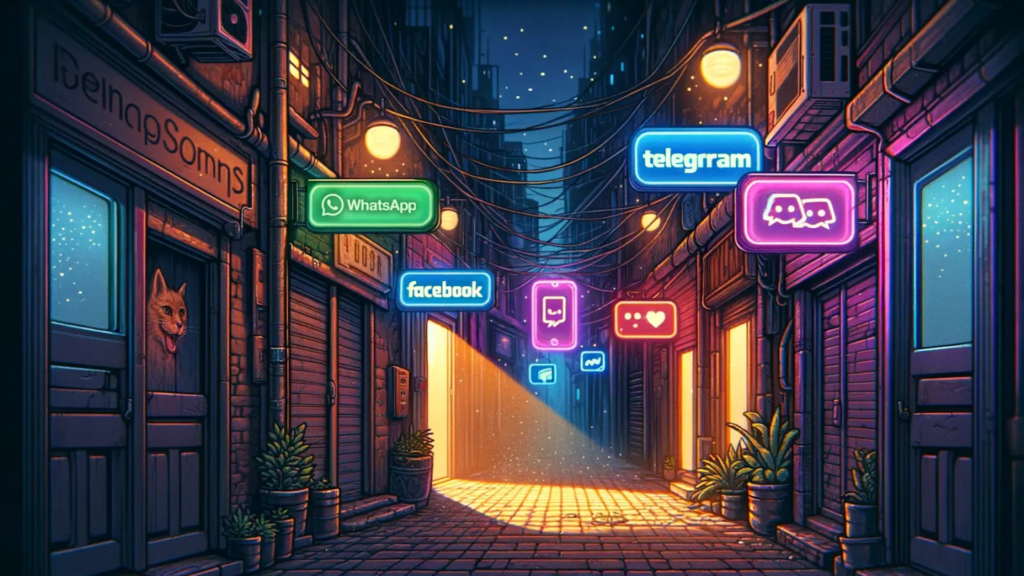
Social media in 2025 is no longer just about chasing mass reach. The focus is shifting toward micro-communities, small, highly engaged groups that foster authentic conversations and long-term loyalty. For brands, this represents a fundamental change: moving away from broadcast messaging to hyper-targeted engagement, where quality matters more than quantity. Let’s explore what’s happening, why it matters, and how brands can leverage micro-communities to drive growth. Micro-Communities Are the New Social Growth Zones Micro-communities are niche, interest-driven groups where members engage deeply around shared topics, lifestyles, or brand affiliations. Unlike large public channels, these communities emphasize trust, interaction, and exclusivity. Key platforms enabling this trend: Telegram: Public and private channels allow brands to broadcast content while maintaining close, loyal audiences. Discord: Offers topic-specific servers, voice/video chat, and real-time engagement for hyper-focused groups. WhatsApp Channels: Brands can deliver updates, tips, or curated content to followers in a controlled, intimate environment. Why it’s different from traditional social media: Engagement is personalized and participatory, not passive. Communities often become self-sustaining, with members generating discussions. Feedback loops are immediate brands that can test ideas, co-create content, and refine offerings faster. Why Micro-Communities Are Replacing Mass Reach Strategies The social media landscape is evolving due to: Declining Attention Spans:Mass-audience posts get lost in crowded feeds. Niche groups ensure visibility to the right audience rather than chasing vanity metrics. Consumer Desire for Authenticity:Audiences increasingly prefer peer-driven, intimate spaces over generic brand pages. Micro-communities offer credibility and trust that large-scale campaigns cannot. Higher Engagement Rates:Smaller communities lead to more meaningful interactions, comments, shares, and recommendations are more frequent and impactful. Data-Driven Insights:Micro-communities provide real-time behavioral insights, helping brands refine messaging, launch relevant products, and foster loyalty. Case in point: A health & wellness startup shifted from Instagram to a Discord community focused on “home workout challenges.” Within 6 months, engagement doubled, and conversion from community members was 3x higher than general social media campaigns. A Practical Framework to Nurture Micro-Communities Building successful micro-communities is about strategy, consistency, and authenticity. Here’s a step-by-step framework: Identify Your Niche Audience Use existing data to segment your audience by interest, behavior, or product usage. Focus on passionate, problem-oriented groups rather than broad demographics. Example: A fintech brand could create communities for “first-time investors” or “crypto beginners.” Choose the Right Platform Telegram: For broadcast + discussion, perfect for curated content and announcements. Discord: For deep engagement, co-creation, and real-time support. WhatsApp Channels: For high-trust updates and exclusive tips. Deliver Hyper-Relevant Content Prioritize value-driven posts over promotional material. Use polls, challenges, AMAs, or curated guides to spark discussion. Encourage members to share experiences, tips, or resources. Foster Engagement and Loyalty Assign moderators or community leads to maintain activity. Recognize contributors and highlight member achievements. Create rituals: weekly Q&A, content drops, or member spotlights. Measure Success Beyond Numbers Focus on engagement depth, retention, sentiment, and referral rates. Track how community interactions translate into brand loyalty and conversions. Adjust strategies based on insights micro-communities are dynamic, and constant iteration is key. Blend Community Insights into Brand Strategy Feedback from micro-communities can inform product development, marketing campaigns, and messaging strategies. Treat communities as co-creators, not just consumers. Why Brands Must Pivot to Micro-Communities In 2025, mass reach alone is no longer a guarantee of success. Brands that cultivate micro-communities: Achieve higher engagement per member. Build long-term loyalty and trust. Gain actionable insights for strategy and growth. The future of social media is hyper-personal, participatory, and community-driven. Brands that adapt to this shift from broad campaigns to focused, high-value micro-communities will dominate the next wave of digital engagement. Micro-communities are more than a trend; they’re a strategic imperative. Your next social media strategy should focus on nurturing niche audiences, leveraging platforms like Telegram, Discord, and WhatsApp, and turning engagement into loyalty.