

Artificial Intelligence has transformed the way we create content.
Tools like Jasper, Copy.ai, and ChatGPT now generate ad copies, captions, and landing page text in seconds, a task that once demanded hours of brainstorming.
But as brands race toward automation, a crucial question emerges:
Can AI truly capture human emotion or just simulate it?
Let’s break it down through what, why, and how exploring where AI excels, where it falls short, and how smart marketers can merge both worlds effectively.
The Rise of AI-Powered Copywriting
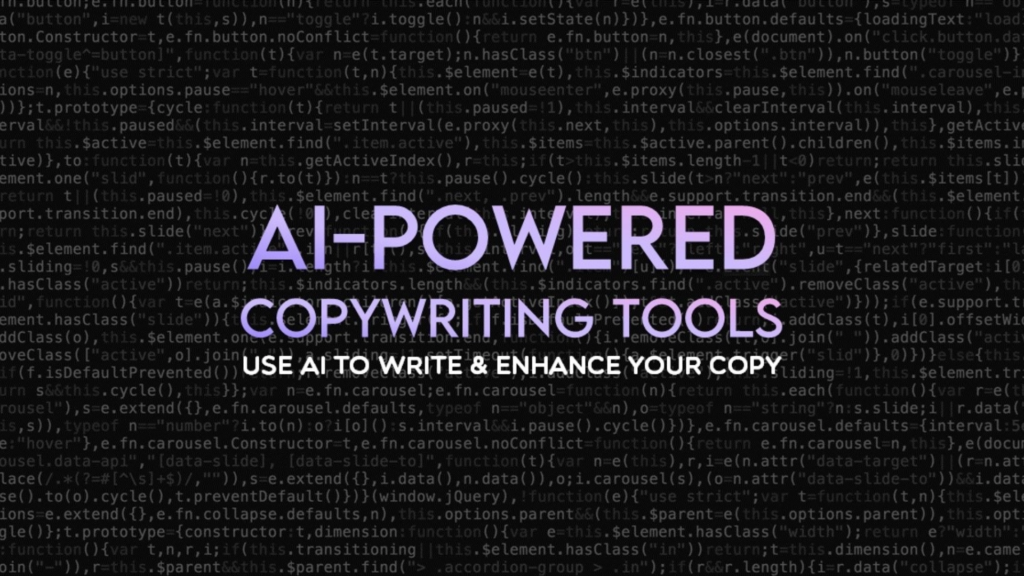
AI copywriting tools have moved far beyond grammar correction or keyword suggestions. Today, they use large language models (LLMs) to mimic tone, structure, and intent based on prompts producing everything from social media posts to product descriptions.
For marketers, this shift has unlocked:
- Speed: Copy in seconds, not hours.
- Scalability: Bulk campaign generation without creative fatigue.
- Cost Efficiency: Reduced dependency on large content teams.
Platforms like Jasper focus on tone-adaptive marketing copy, Copy.ai streamlines short-form ad messaging, and ChatGPT enables conversational, context-driven writing.
These tools are not just assistants, they’ve become the new baseline for productivity.
Why Human Creativity Still Wins
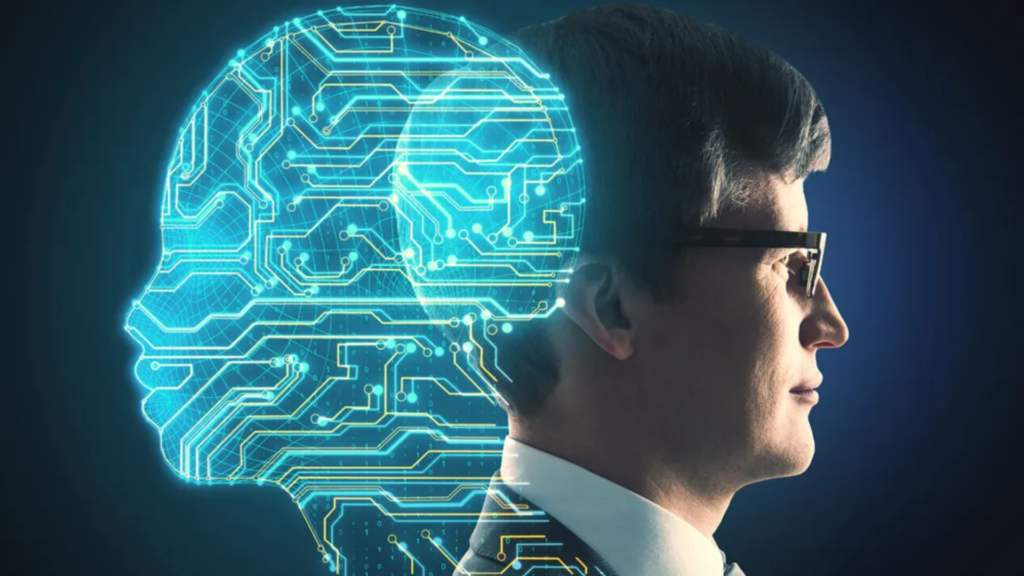
Despite its progress, AI remains pattern-driven, not purpose-driven.
It can generate polished sentences, but it lacks empathy, cultural awareness, and lived experience, the cornerstones of truly resonant storytelling.
The Emotional Pulse Problem
AI understands what people say, not why they feel it.
For instance, an AI-generated ad for a mental health app may emphasize “self-care routines,” while a human writer instinctively connects to loneliness, identity, and recovery emotional triggers that drive real impact.
Case Example:
In 2024, a European wellness brand A/B tested two ad copies one by Jasper, one by a human writer.
- The AI version focused on features (“Track your mood daily, build better habits”).
- The human version focused on empathy (“You don’t have to feel alone in your bad days”).
The human-written version outperformed AI’s by 63% in engagement and 41% in conversions.
Context and Cultural Sensitivity
AI models are trained on large global datasets, but they lack real-time understanding of local nuance or social sentiment.
This can lead to tone-deaf campaigns or misaligned messaging especially in culturally diverse markets like India.
Example:
Copy.ai once suggested a festive caption for Diwali with fireworks emojis and “celebrate the lights” missing the ongoing public discourse around pollution and sustainability.
A human marketer, aware of local sentiment, reframed it as “Celebrate light, not smoke make this Diwali brighter responsibly.”
Same intent, entirely different impact.
Brand Voice Consistency
AI-generated content often fluctuates in tone across prompts.
Humans, however, intuitively maintain brand storytelling continuity understanding the brand’s persona, audience psychology, and subtle tonal differences between platforms.
Hybridizing AI and Human Creativity
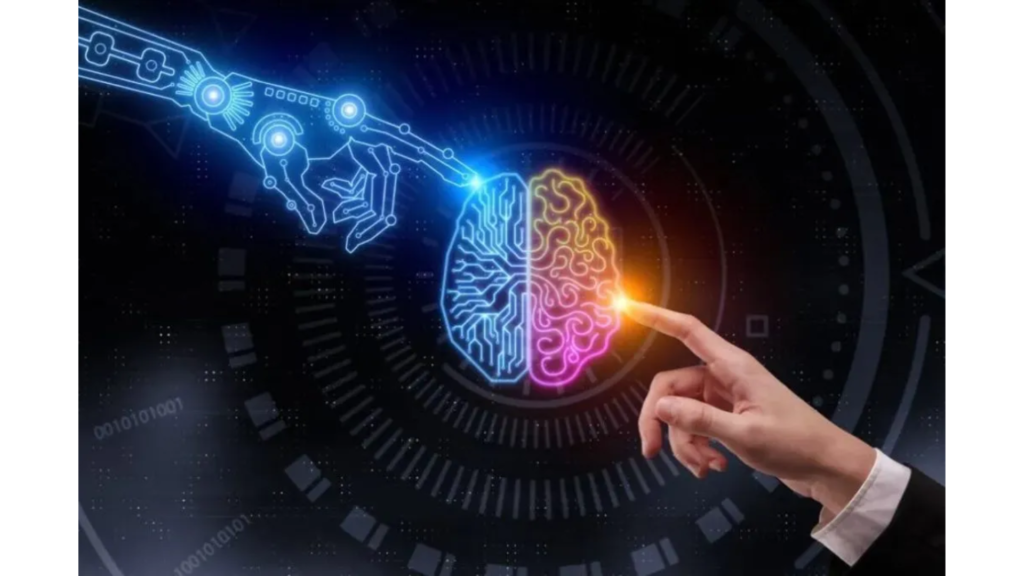
The future of copywriting isn’t about choosing between AI and humans, it’s about collaboration.
AI amplifies productivity; human creativity anchors authenticity.
Let AI Handle the Structure, Humans Handle the Soul
Use AI for:
- Drafting frameworks, headlines, and outlines.
- Ideation — generating 10 starting points fast.
- Grammar, paraphrasing, and SEO optimization.
Let humans:
- Add emotion, brand depth, and storytelling flair.
- Adapt tone for audience segments.
- Integrate sensory and cultural cues that AI cannot infer.
Humanize Before You Publish
Before finalizing AI-generated text, perform a “human empathy audit.”
Ask:
- Does this copy evoke emotion or just information?
- Does it sound like something a person would say, not type?
- Would it make sense to someone outside the marketing bubble?
Build an AI-Human Workflow
A simple hybrid workflow for agencies and teams:
- Prompt Stage: Use AI for draft generation.
- Human Edit: Refine tone, intent, and emotional layer.
- Testing: A/B test both versions — data decides what resonates.
- Learning Loop: Feed high-performing human-edited versions back into the AI system for improved future prompts.
AI Writes, Humans Connect

AI-powered tools have redefined the how of copywriting making content creation faster, data-driven, and more accessible.
But human intuition remains the heartbeat of persuasive writing.
The brands that will stand out in 2025 aren’t those that fully automate but those that strategically humanize automation.
The winning formula:
AI for efficiency. Humans for empathy. Together, for impact.