

How Generative AI and Predictive Analytics Are Changing Marketing and What You Should Know About Ethical Data
In today’s digital world, personalization isn’t just nice to have it’s expected. From the emails we receive, the ads we see, to product recommendations, brands are using technology to make their messages feel tailor-made for us.
But how does this personalization actually work, and are there limits to how much data companies should use? Let’s break it down in simple terms.
What Is AI-Driven Personalization?

AI-driven personalization is when brands use artificial intelligence (AI) to understand your behavior and preferences, then serve content, products, or recommendations that are most relevant to you.
There are two main ways this works:
- Generative AI: Think of tools that can create content automatically based on what you like. For example, a shopping website using AI to generate product descriptions that match your style or suggesting outfit combinations you might like.
- Predictive Analytics: This uses historical data to predict what you might want next. For instance, Netflix suggests your next show based on what you watched last week.
The goal is simple: make the customer feel understood and valued, while helping brands improve engagement and sales.
Why Personalization Is Powerful for Marketers
AI-driven personalization offers three key advantages:
- Better User Experience: People don’t want generic ads or irrelevant emails. Personalized content feels relevant and increases trust.
- Increased Conversion: When a recommendation fits your needs, you’re more likely to click, buy, or sign up.
- Data-Backed Decisions: Marketers can make smarter campaign decisions by understanding what works for each audience segment.
For example, a fashion e-commerce store can use AI to show a winter jacket to users in colder regions while showing sandals to users in warmer climates all automatically.
The Ethical Side of Personalization

While AI personalization can be impressive, it comes with responsibilities. Collecting and using user data must be ethical, transparent, and fair. Here are some key considerations:
1. Respect Privacy
Just because data is available doesn’t mean it should be used without consent. Brands should clearly tell users what data is collected and why.
Example: Avoid tracking every click or location secretly. Always ask for permission.
2. Avoid Bias
AI can accidentally make unfair assumptions if trained on biased data. For instance, an AI that suggests jobs only to men because the historical data favored male applicants.
What marketers can do: Regularly review AI models for bias and include diverse datasets.
3. Transparency Matters
Users should know why a recommendation or ad is shown to them. This builds trust and encourages engagement.
Example: Showing a note like “Recommended because you bought X last month” is simple but effective.
Practical Tips for Marketers
If you’re running campaigns or managing a website, here are some actionable steps to use AI personalization ethically:
- Segment wisely: Use AI to group users by behavior, interests, or demographics but don’t stereotype.
- Limit data collection: Only collect what’s needed to improve the user experience.
- Test for fairness: Run regular checks to ensure AI models don’t discriminate.
- Be transparent: Let users know why you’re recommending certain content or products.
Real-World Examples

- E-commerce: Amazon recommends products based on past purchases, but also allows users to remove personalization if they prefer.
- Streaming platforms: Spotify uses AI to generate playlists based on listening habits, while letting users customize and explore beyond recommendations.
- Email marketing: AI can generate personalized subject lines, but ethical brands clearly disclose tracking preferences and give easy unsubscribe options.
Why This Matters
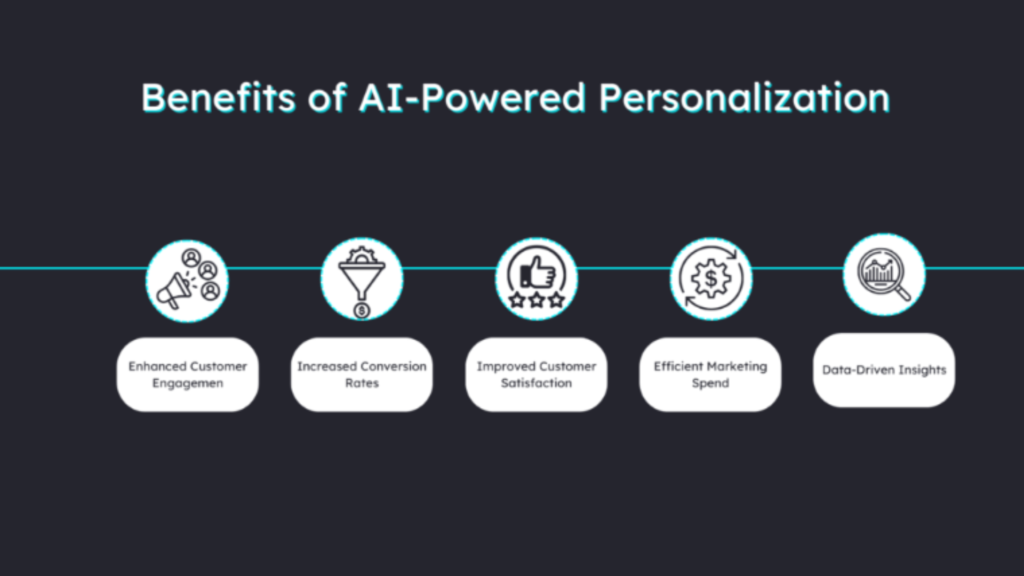
AI-driven personalization is shaping the future of marketing, making it smarter, faster, and more relevant. But ethical data use is equally important. Customers are more aware of privacy today, and brands that respect their data while providing personalized experiences win long-term loyalty.
By understanding the balance between AI innovation and ethical responsibility, marketers can deliver meaningful experiences without compromising trust.
- AI-driven personalization improves engagement, conversion, and customer experience.
- Generative AI and predictive analytics are tools, not rules; human oversight is critical.
- Ethical data collection is essential: respect privacy, avoid bias, and be transparent.
- Brands that combine personalization with ethics will gain customer trust and loyalty.