A new cyber threat is emerging

Cybersecurity experts have long battled malware, but a new breed is on the rise: generative AI worms. These are not your average viruses.
Unlike traditional malware, generative AI worms can write and evolve their own code in real-time, slipping past security defenses and adapting to new environments without human control.
In this article, we’ll dive deep into what generative AI worms are, how they work, and why businesses and individuals must prepare now to stay protected.
What are generative AI worms?

Generative AI worms are self-replicating malware powered by advanced artificial intelligence, especially generative models like large language models (LLMs).
Unlike standard worms that spread using fixed code, these worms continuously rewrite themselves, creating new code variations to avoid detection.
How do they work?
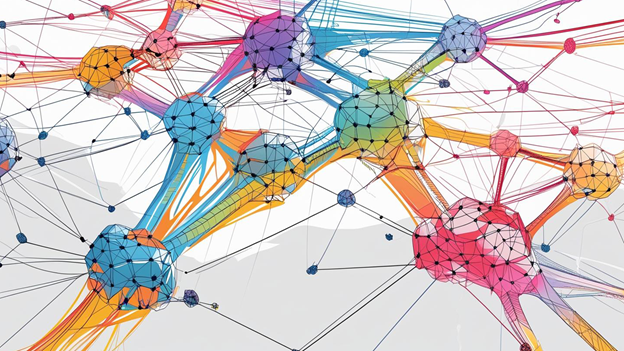
- Self-modifying code: They use AI to change their own structure and appearance, making them invisible to traditional antivirus signatures.
- Adaptive evasion: By analyzing system logs and security controls, they craft specialized code to bypass them in real-time.
- Autonomous behavior: Instead of waiting for commands from a hacker, these worms can decide which data to steal or which systems to attack next.
Why are generative AI worms so dangerous?

Constant evolution
These worms can create endless code variations, similar to how a biological virus mutates to evade vaccines.
Smarter targeting
They can analyze a network, understand which assets are most valuable, and adjust their attacks accordingly.
Faster than human defenders
Traditional cybersecurity teams rely on analyzing malware samples. A generative AI worm can rewrite itself faster than analysts can catch up.
Real-world examples and early signs
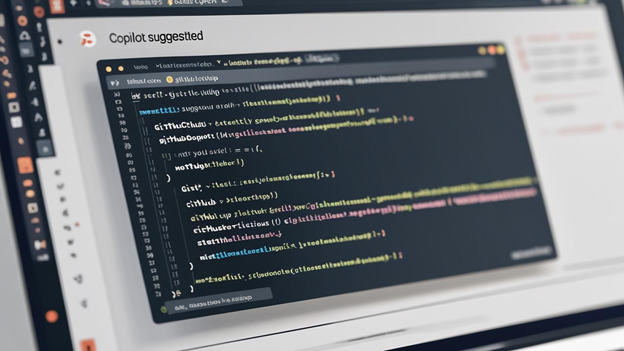
Although fully autonomous generative AI worms haven’t appeared widely in the wild yet, researchers have shown proof-of-concept attacks:
- AI coding tools like GitHub Copilot and OpenAI Codex can generate malware snippets or shell scripts that evade some security tools.
- Security researchers have demonstrated how generative AI can be used to automate the creation of polymorphic malware, which changes its code to avoid detection.
- These examples show that attackers already have the tools; it’s only a matter of time before we see real attacks.
How can businesses defend against generative AI worms?

AI-powered defense
Cybersecurity solutions need to use AI to detect unexpected behaviors, not just static malware signatures.
Behavioral analysis
Monitor suspicious activities like sudden file modifications, abnormal data flows, or unauthorized code execution.
Zero trust architecture
Limiting access and segmenting networks reduces the worm’s ability to spread inside an organization.
Employee awareness
Training employees to recognize social engineering and phishing attacks reduces the chances of worms entering your system.
The future of AI and cybersecurity

As generative AI continues to evolve, so too will cyber threats. We are entering an era where AI will fight AI attackers and defenders using machine learning and advanced automation against each other.
Security teams must be proactive, continuously update their defenses, and adopt AI-driven detection and response tools.
Generative AI worms represent a major shift in the cyber threat landscape. Even if they aren’t common today, the technology to create them already exists.
Businesses and individuals must act now by investing in AI security tools, training staff, and updating emergency response plans to avoid becoming the first victims of these evolving attacks.
Want to stay ahead of future cyber threats and protect your organization from AI-powered attacks?