

In an online world full of mass marketing and giant audiences, the wisest brands are discovering: smaller is smarter.
Micro-communities — tightly targeted, intensely engaged communities — are redefining the future of brand loyalty, customer engagement, and expansion.
In this article:
- What micro-communities are
- Why brands are moving from mass marketing to micro-targeting
- Success stories in real life
- How to create and foster a micro-community for your brand
What Are Micro-Communities?
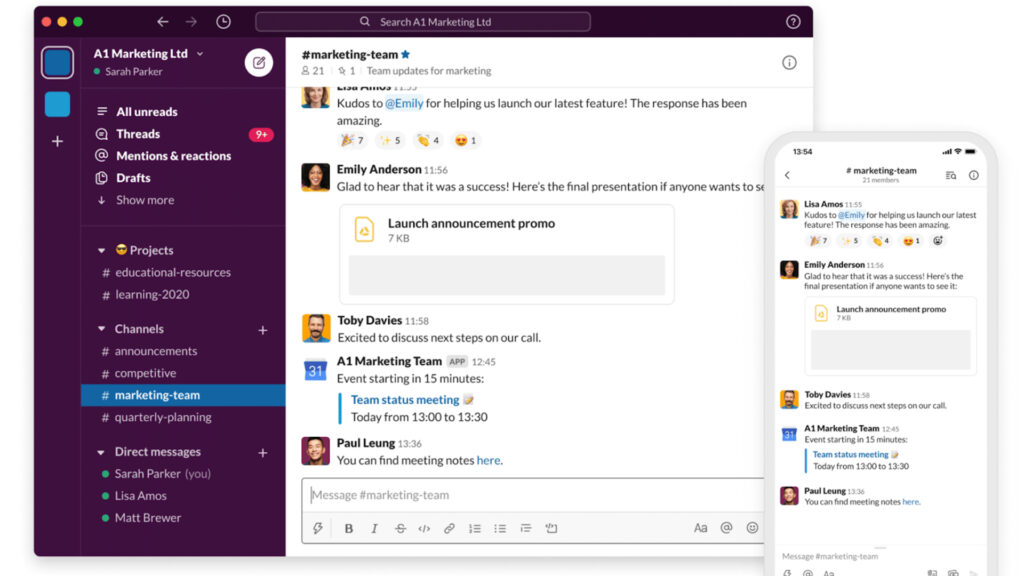
Micro-communities are small, close-knit groups of people who coalesce around a single interest, way of life, belief, or experience. Micro-communities inhabit private Facebook groups, Slack communities, Discord communities, Reddit subreddits, or even company-hosted spaces.

In contrast to larger social media audiences, micro-communities are characterised by:
- High participation
- Intimate trust
- Collective identity
- Niche congruence
Why Brands Are Going Smaller—and Winning

- Authentic Engagement Beats Broad Reach
Mass marketing often feels impersonal. Micro-communities create true conversations, producing trust and word-of-mouth advocacy that large audiences can’t match.

- Personalised Experiences Drive Loyalty
Micro-communities enable brands to customise content, promotions, and experiences for discrete groups, making customers feel understood, valued, and seen.
- Quicker Feedback and Innovation
Tightly focused groups give immediate feedback on products, campaigns, and ideas, allowing brands to iterate quicker and remain customer-focused.
- Increased Brand Advocacy
Community members tend to become superfans — evangelising brands naturally through word-of-mouth, UGC (user-generated content), and peer recommendations.

Real-World Success Stories
- Peloton’s Member Groups
Peloton is not selling bikes — it’s creating tribes. From “Power Zone Pack” fans to “Peloton Moms” clubs, Peloton micro-communities create intense loyalty and mutual motivation.
- LEGO Ideas
LEGO developed a site where fans bring new ideas for builds. Community users vote, and top designs become actual products.
- Glossier’s Slack Channels
Beauty company Glossier introduced invite-only Slack groups for superfans to connect, share about products, and provide feedback to the brand team, making customers a private army of innovation.

How Brands Can Build and Grow Micro-Communities
- Find Your Niche Focus
Begin with a common passion, challenge, or identity that your audience strongly identifies with. Move beyond demographics — think behaviours and psychographics
- Choose the Right Platform
Not every community finds a home on Facebook or Instagram. Think of Slack, Discord, Reddit, Telegram, or even branded community platforms like Circle or Mighty Networks.
- Enable Meaningful Interactions
It’s not about sending mass messages — it’s about catalysing dialogue, inviting narratives, and empowering peer-to-peer connections.
- Enable Community Leaders
Identify and enable brand ambassadors inside your micro-community. Provide them with tools, rewards, and opportunities to helm.
- Provide Value — Consistently
Provide unique content, insider access, early product releases, or learning opportunities to keep the community active and rewarding.

Last Thoughts: In the Age of Noise, Intimacy Wins

Mass marketing isn’t dead — but it’s waning.
Brands that foster small, lively, purpose-based micro-communities will win not just clicks and conversions, but loyalty, love and lifetime value.
The future isn’t a matter of screaming louder. It’s a matter of listening closely.
“You don’t need a million fans. You need a thousand true believers.”