UpskillNexus

Crafting GEO Strategies: Optimizing for AI Search Engines

Table of Contents

Generative Engine Optimization (GEO) is the practice of structuring and formatting content to maximize its chance of being cited, summarized, or referenced by AI-powered systems like ChatGPT, Gemini, and Perplexity. Unlike traditional SEO, which gets your pages ranked for clicks, GEO gets your content quoted directly in answers. That means more visibility, even if users never land on your site.

What Is GEO?

Generative Engine Optimization (GEO) is aimed not at blue‐link rankings but at being included in AI responses. Whether through expert quotes, factual data, or clear content structure, GEO ensures AI models pull from your content when answering queries.

Strategy

Goal

Content Focus

SEO

Rank in SERPs

Keywords, links

GEO

AI citations

Structure, authority

AEO

Snippet/voice answers

Q&A format, schema

Core GEO Techniques

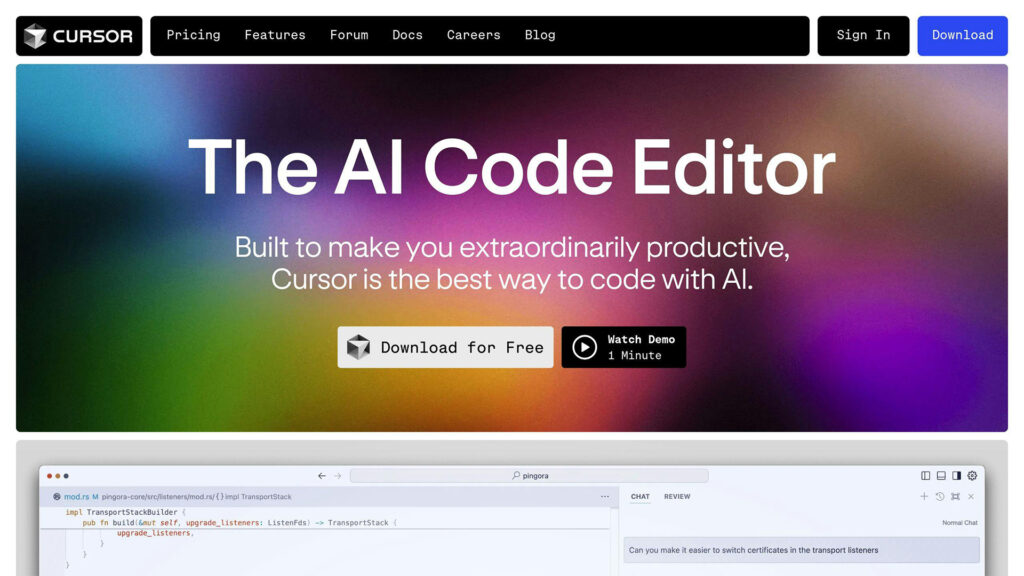
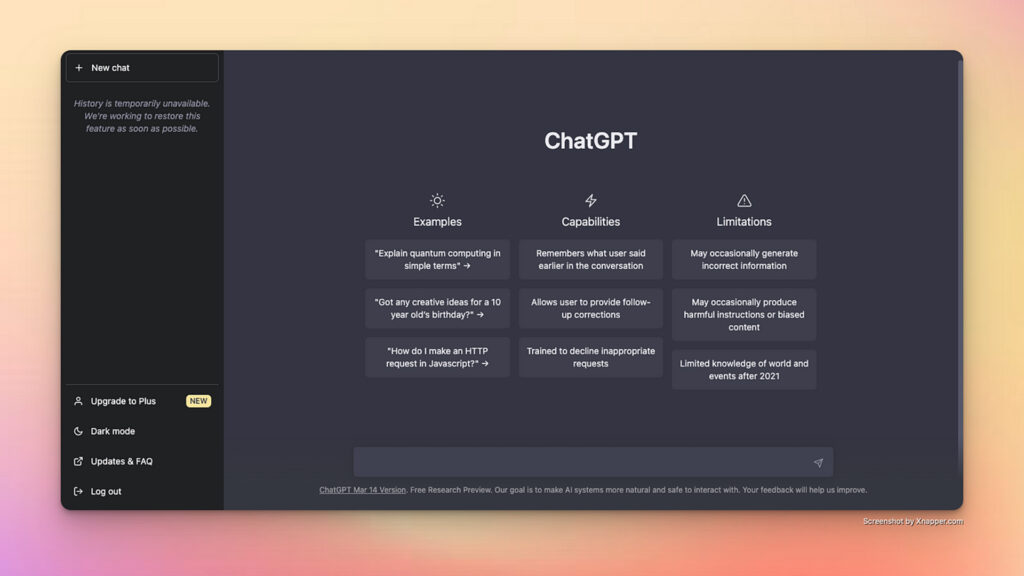
AI‑Focused Crawling Directive

Source: https://cursor-sh.en.softonic.com/web-apps

Akin to robots.txt, llms.txt informs LLM crawlers which content is available for indexing an emerging best practice.

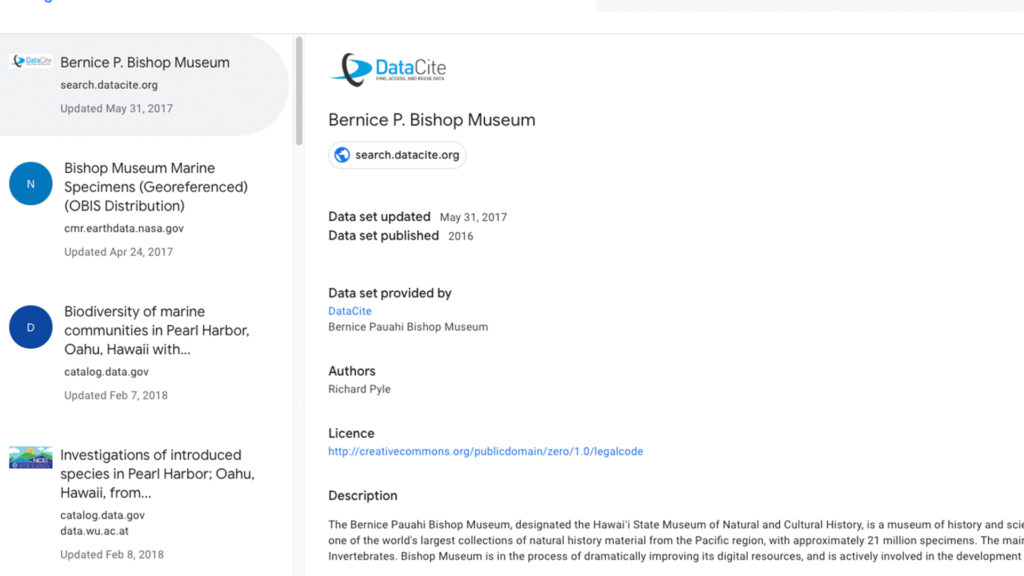
AI‑Specific Metadata

Source:- https://github.com/gbif/portal-feedback/issues/1669

Embed JSON‑LD or custom metadata detailing authorship, data sources, publish dates, and content types. AI bots use this to assess E‑E‑A‑T: Experience, Expertise, Authoritativeness, Trustworthiness.

Structured Cues

  • LLMs thrive on structure:

    • Q&A headings (“What is GEO?”)


    • TL;DR summaries


    • Bullets and tables


    • FAQ / How-To schema for AI‑engine recognition

Platform-Specific GEO Adaptations

GEO isn’t one-size-fits-all. Each AI engine interprets content uniquely:

  • ChatGPT: conversational tone, clear answers, expert quotes.
  • Perplexity: fresh content with references; benefits from citation style formatting
  • Gemini: supports multimodal content using images, video/audio with descriptive captions.

Enhancing GEO Impact

1. Build Topical Authority

Create content clusters with interlinked depth. AI values comprehensive coverage and internal context.

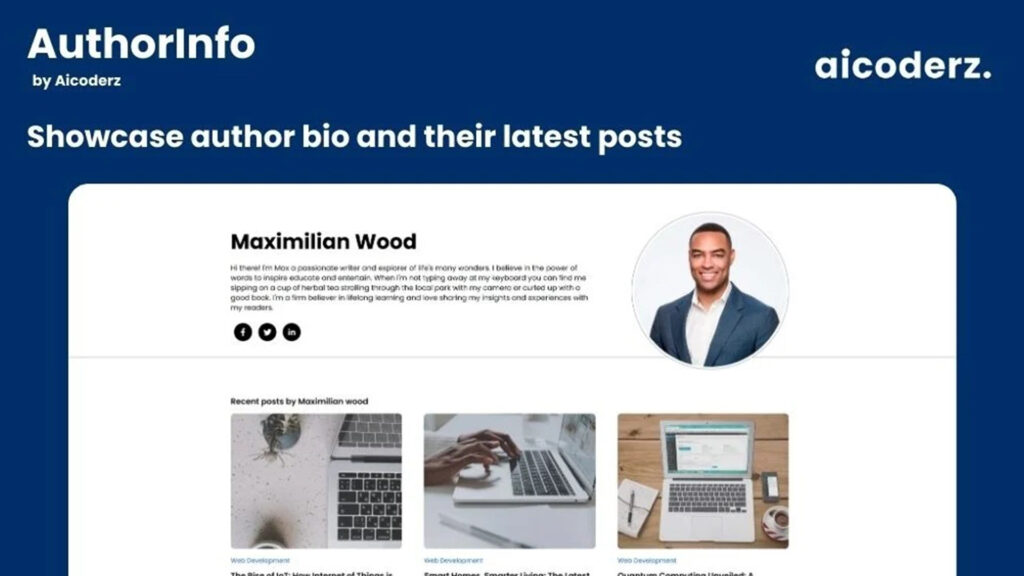
2. Elevate Author Credibility

Name real contributors, link biographies, and emphasize credentials. AI bots elevate credible voices.

Source:- https://ecosystem.hubspot.com/marketplace/modules/authorinfo-by-aicoderz
3. Focus on Conversational Queries

Optimize headings and content around natural-language queries, e.g. “How to craft an llms.txt” or “Why use structured cues for GEO?”.

4. Include Original Data & Expert Quotes

AI engines prefer content backed by cited data or expert opinions. Reference these within the content to boost quoteability.

5. Supported by Solid SEO

Traditional SEO still matters. GEO works best on a foundation with strong technical SEO, fast loading, and crawlability.

Measuring GEO Success

Track your footprint in AI:

  • Frequency of citations in ChatGPT, Perplexity, and Gemini.


  • Monitor brand mentions and sourced links.


  • Use tools like AthenaHQ or GA4 for AI‑driven traffic


Roadmap: Implementing GEO Today

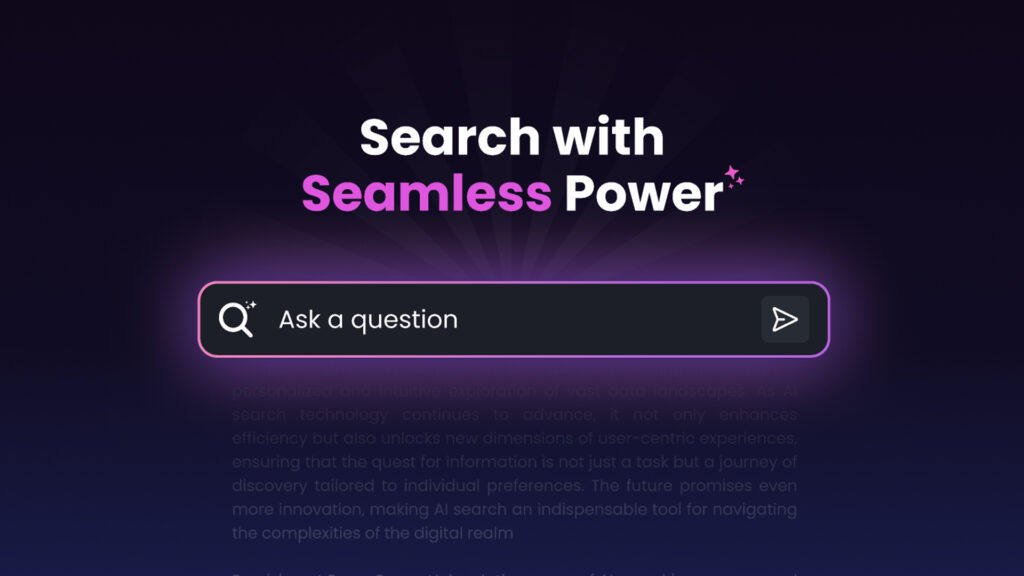
Source:-https://www.linkedin.com/pulse/strategy-checklist-peter-moustakerski

  1. Create llms.txt to guide AI crawlers.

  2. Enhance key pages with AI‑focused metadata.

  3. Audit for structured cues like Q&A, bullet summaries, and schema.

  4. Add author profiles, expert citations, and original data.

  5. Tailor content for each AI platform (tone, freshness, format).


Track AI citations monthly, iterate based on results.

GEO = AI Visibility + Credibility

GEO is not an optional add-on; it’s key to staying visible in AI search ecosystems. By leveraging llms.txt, AI‑specific metadata, and structured cues, you optimize your brand to be quoted in ChatGPT, Gemini, Perplexity, and beyond. GEO transforms passive traffic strategies into active engagement, ensuring your content becomes the answer, not just a link.

Master Advanced Digital marketing

Master advanced digital marketing strategies and tools to elevate your expertise, boost results, and stay ahead in the digital landscape.