
Deepfake Scams Are the New Phishing And Here’s How to Stay Safe
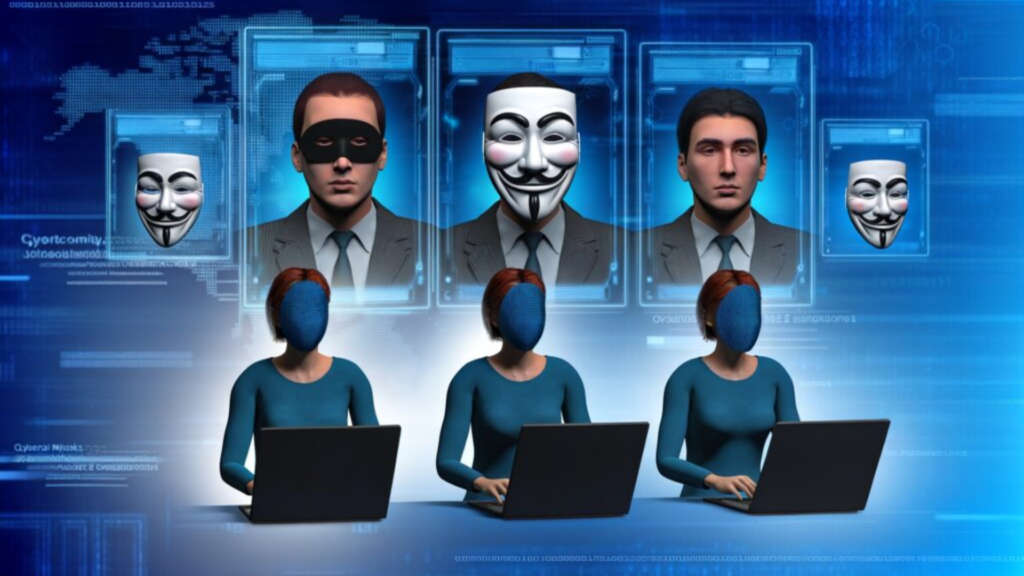
The rise of AI has brought incredible opportunities, but it has also introduced a new breed of cyber threats. Among them, deepfake scams are rapidly emerging as the modern equivalent of phishing, highly sophisticated, deceptive, and increasingly hard to detect. In India, these attacks are no longer hypothetical. They have already caused multi-crore financial losses by exploiting trust and technology. For professionals and businesses alike, awareness and verification have become critical defense mechanisms. Understanding Deepfake Scams Deepfakes use AI to create realistic simulations of human voices, faces, and videos. When weaponized for fraud, they mimic executives, clients, or public figures to manipulate victims into taking actions they normally wouldn’t. Key Techniques AI Voice Cloning Using a few minutes of recorded audio, attackers can reproduce a person’s voice with high fidelity. This has been used in fake executive calls demanding urgent wire transfers. Face Swap Videos Fraudsters create videos of company leaders or celebrities instructing employees or investors to share sensitive information or make payments. Hybrid Attacks Deepfakes are often combined with traditional phishing emails, text messages, or social engineering tactics to increase credibility. Real-World Impact in India Case Example 1: ₹60 Crore CEO Scam In 2023, an Indian company fell victim to an AI voice cloning scam. Attackers impersonated the CEO and instructed the finance team to transfer ₹60 crore to an offshore account. The scam relied entirely on voice authenticity; no emails or written instructions were involved. Case Example 2: Deepfake Video Fraud in Startup Investment A Bangalore-based startup reported that a deepfake video of an investor was circulated, convincing some team members to disclose sensitive pitch deck details. The fraudsters leveraged the trust and visual realism of the video to bypass standard verification procedures. Implications for Professionals Financial Risk: Wire transfers, fake invoices, and fraudulent payments. Data Exposure: Leaked corporate secrets, intellectual property, or sensitive client information. Reputational Damage: Trust in leadership or brand integrity is compromised. These examples show that traditional security measures are no longer sufficient. Deepfake scams exploit the human instinct to trust familiar voices and faces. How: Awareness and Verification Tactics To stay safe, professionals must adopt a multi-layered defense strategy that combines human vigilance with technical safeguards. Verify the Source Never act on urgent financial or sensitive requests solely based on a voice or video call. Always verify through a secondary channel e.g., direct call to a known number, email confirmation, or secure messaging app. Educate and Train Teams Conduct workshops and simulations to teach employees how deepfake scams work. Encourage skepticism for unusual instructions, even if they appear from trusted sources. Leverage Technology Solutions Use AI-based voice and video authentication tools to detect synthetic content. Integrate anomaly detection in financial transactions and sensitive communications. Secure Communication Channels Implement encrypted messaging apps for sensitive instructions. Avoid sharing personal or corporate data over unsecured voice or video channels. Implement Internal Checks For large financial transactions, adopt multi-level approvals that include both human verification and digital authentication. Standardize verification protocols for all high-risk requests, regardless of urgency or sender identity. Stay Informed Regularly follow cybersecurity updates and deepfake threat advisories. Subscribe to alerts from Indian CERT-In (Computer Emergency Response Team) and trusted cybersecurity sources. Deepfake scams are evolving fast, combining psychological manipulation and AI technology to bypass traditional security measures. Professionals and businesses in India must recognize that trust alone is no longer enough verification, awareness, and layered defense are essential. The new phishing isn’t just a suspicious email it could be a voice on the phone or a video on your screen. Adopt vigilance, verify rigorously, and train teams to treat digital content with scrutiny. Only then can organizations stay ahead of AI-driven fraud.