
The Cybersecurity Talent Gap: Why Now Is the Best Time to Enter the Field
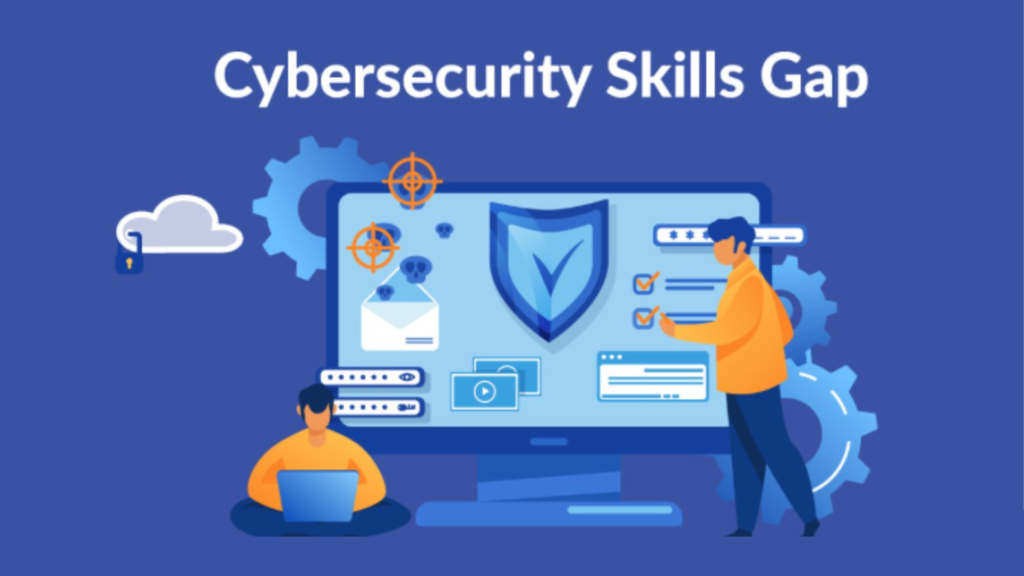
Every time you read about a data breach, ransomware attack, or phishing scam, there’s one question behind the headlines that rarely gets asked: Who’s protecting the systems behind the screen? The truth is not enough people. As cyber threats surge across industries, the world is facing a massive shortage of trained cybersecurity professionals. And for anyone considering a future-proof, high-growth tech career, that shortage is actually an opportunity waiting to be claimed. The State of Cybersecurity Hiring in 2025 In 2025, the global cybersecurity workforce gap crossed 4 million professionals (according to the ISC² Cybersecurity Workforce Study). India alone needs over 500,000 trained cybersecurity experts to meet its rising digital security demands. This surge isn’t theoretical. Every new fintech app, digital bank, AI startup, and cloud-based enterprise creates new vulnerabilities and a need for someone who can protect them. Cybersecurity has moved from being an IT niche to a national priority. In fact: India’s cybersecurity market is projected to reach ₹70,000 crore by 2030 (source: NASSCOM). The average salary of a cybersecurity analyst has grown by over 25% in the past three years. Entry-level roles start at ₹5–7 LPA, while experienced professionals can earn ₹20–30 LPA+, depending on specialization. The demand is so high that, globally, for every two cybersecurity roles, only one qualified person exists. That means if you start now, you’re entering an industry actively looking for you. Why Companies Can’t Find the Right Talent It’s not that graduates aren’t interested in cybersecurity, it’s that most aren’t job-ready. Traditional IT programs focus heavily on theory, network layers, encryption algorithms, security protocols but rarely on what actually happens during a cyberattack or how to defend in real-time. Recruiters today face a dilemma: thousands of applicants, but very few who can: Identify and mitigate real vulnerabilities. Work with ethical hacking and penetration testing tools. Analyze logs and detect anomalies. Respond to live incidents or simulate attacks. In cybersecurity, knowledge isn’t enough. You need hands-on experience, the kind that comes from labs, simulations, and guided mentorship. What Skills Make You Employable in Cyber Roles Employers aren’t just looking for “ethical hackers.” They need professionals who understand systems end-to-end and can think like attackers to defend like experts. Some of the most in-demand cybersecurity skills in 2025 include: Network Security & Firewalls – Protecting systems from unauthorized access. Penetration Testing – Simulating real attacks to find vulnerabilities before hackers do. Incident Response – Managing breaches, tracing intrusions, and minimizing damage. Cloud & Application Security – Securing SaaS, AWS, and enterprise applications. Security Operations (SOC) Monitoring – Detecting threats in real time. AI & Automation in Security – Using AI tools for predictive threat analysis and rapid detection. And the best part? You don’t need to be a coder to start. With structured learning and guided labs, anyone with analytical thinking and curiosity can build these skills from scratch. How UpskillNexus Builds Industry-Ready Professionals At UpskillNexus, the goal is clear to turn learners into industry-ready cybersecurity professionals. The cybersecurity program is built on three pillars: Practical Labs Over Lectures – Every learner practices in simulated environments where real-world attack and defense scenarios unfold. Mentorship from Industry Experts – Learners train under professionals who’ve worked in network security, ethical hacking, and digital forensics. Employability-Focused Training – Beyond tools, students learn how to present findings, report vulnerabilities, and handle client security audits. From ethical hacking and SOC analysis to cloud defense and cyber law, each module blends theory with real implementation. By the end of the course, learners graduate with a portfolio of solved lab challenges, incident response case studies, and the confidence to handle live security systems. This hands-on foundation is what recruiters now prioritize over traditional degrees. Why Now Is the Best Time to Enter Cybersecurity isn’t just another tech trend, it’s the backbone of the digital economy. With businesses scaling online, AI reshaping security patterns, and personal data becoming the new currency, cyber professionals are now as critical as developers and data scientists. And because the industry is still short on skilled talent, the window for early movers is wide open. Starting today means you’ll be part of the generation that defines the next decade of digital safety not just adapting to change, but leading it. The cybersecurity talent gap isn’t just a statistic. It’s an invitation. An invitation to learn, to build, and to protect. If you’ve ever wanted a career that blends logic, purpose, and global relevance this is the one. Because while everyone talks about the next big cyberattack, very few are trained to stop it.The question is will you be among them?